- Atlanta’s airport recorded a 21.5% TSA absentee rate during the partial Department of Homeland Security shutdown in 2026.
- Staffing shortages peaked on March 24, 2026, with a single-day callout rate of 37% at Hartsfield-Jackson.
- ICE agents provided limited non-screening support like checking IDs, but they did not replace TSA’s screening authority.
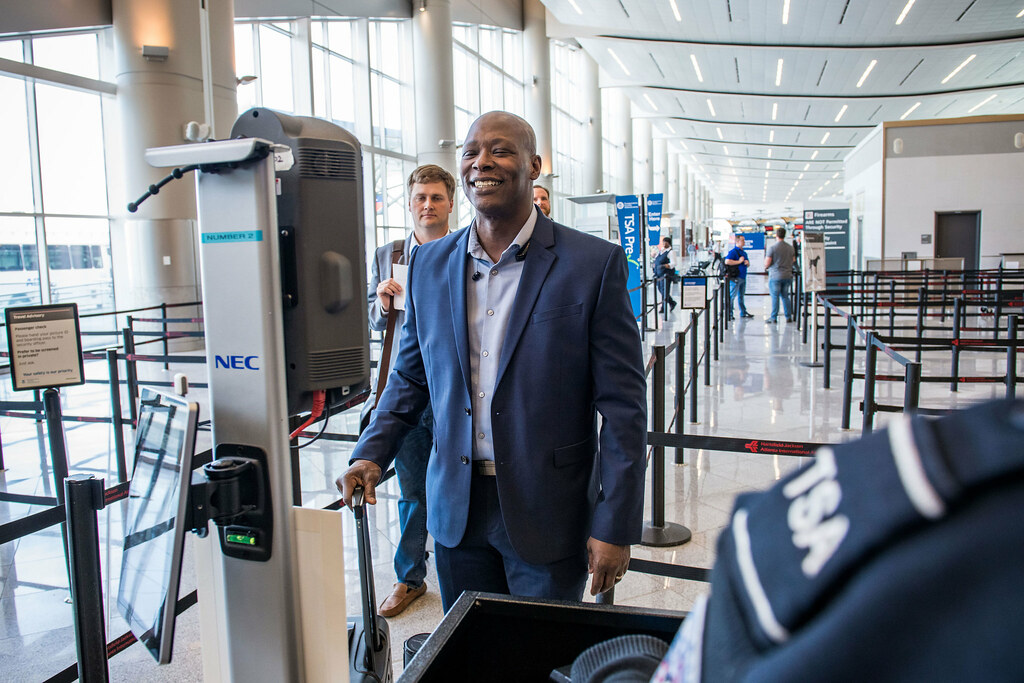
(ATLANTA, GEORGIA) – Hartsfield-Jackson Atlanta International Airport continued operating under standard federal checkpoint screening after a March 2026 staffing disruption pushed its TSA absentee rate above every other major airport during the partial Department of Homeland Security shutdown.
Federal data tied the airport’s strain to unusually high employee absences, not to any public decision to remove the Transportation Security Administration from Atlanta checkpoints. During the shutdown period, Atlanta posted the highest average TSA callout rate among major airports at 21.5%.
Free toolUSCIS Receipt Number Decoder
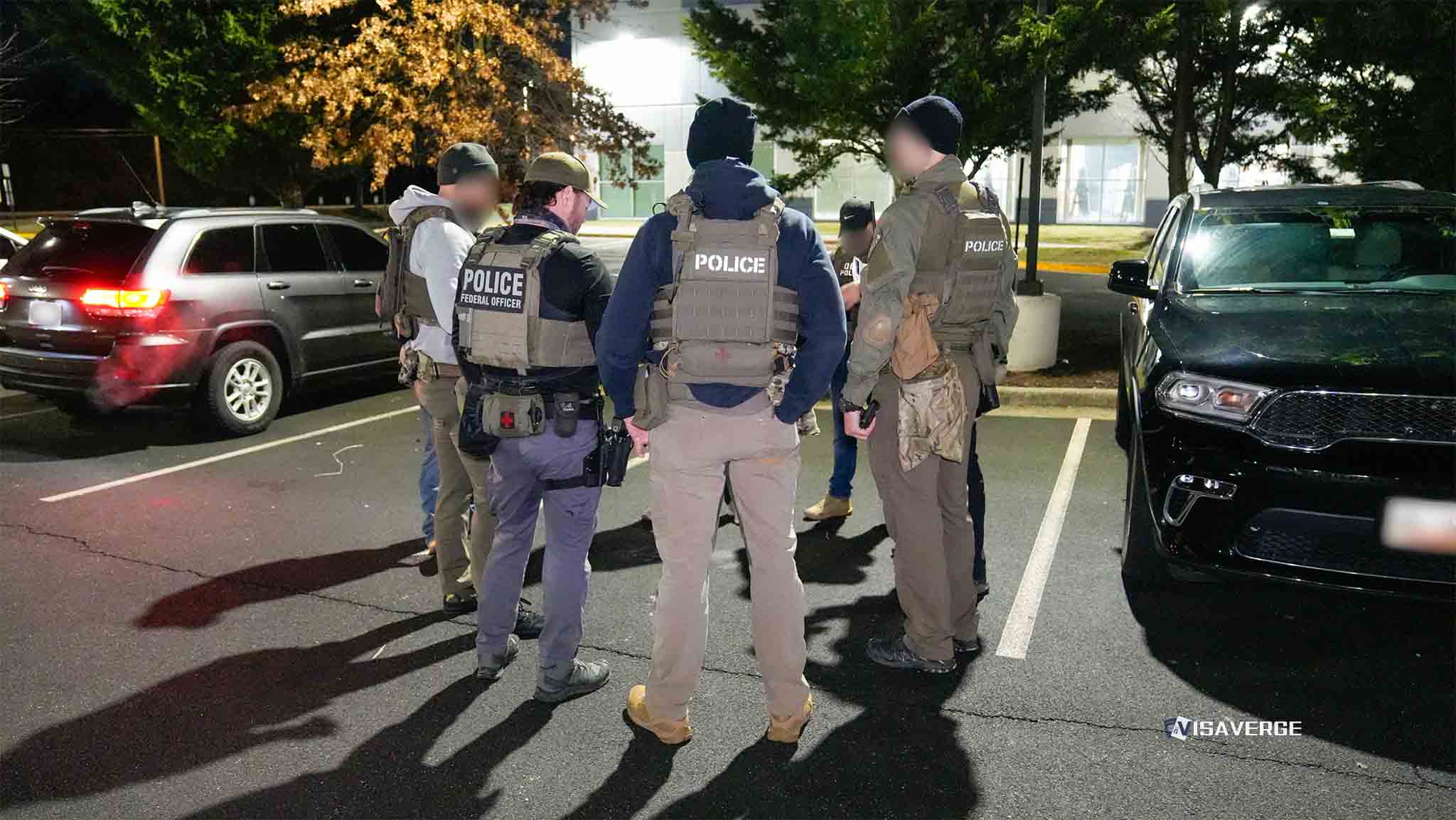
On March 24, 2026, the airport’s TSA callout rate climbed to 37% in a single day. That spike led officials to use temporary support from ICE agents for duties outside the screening lanes.
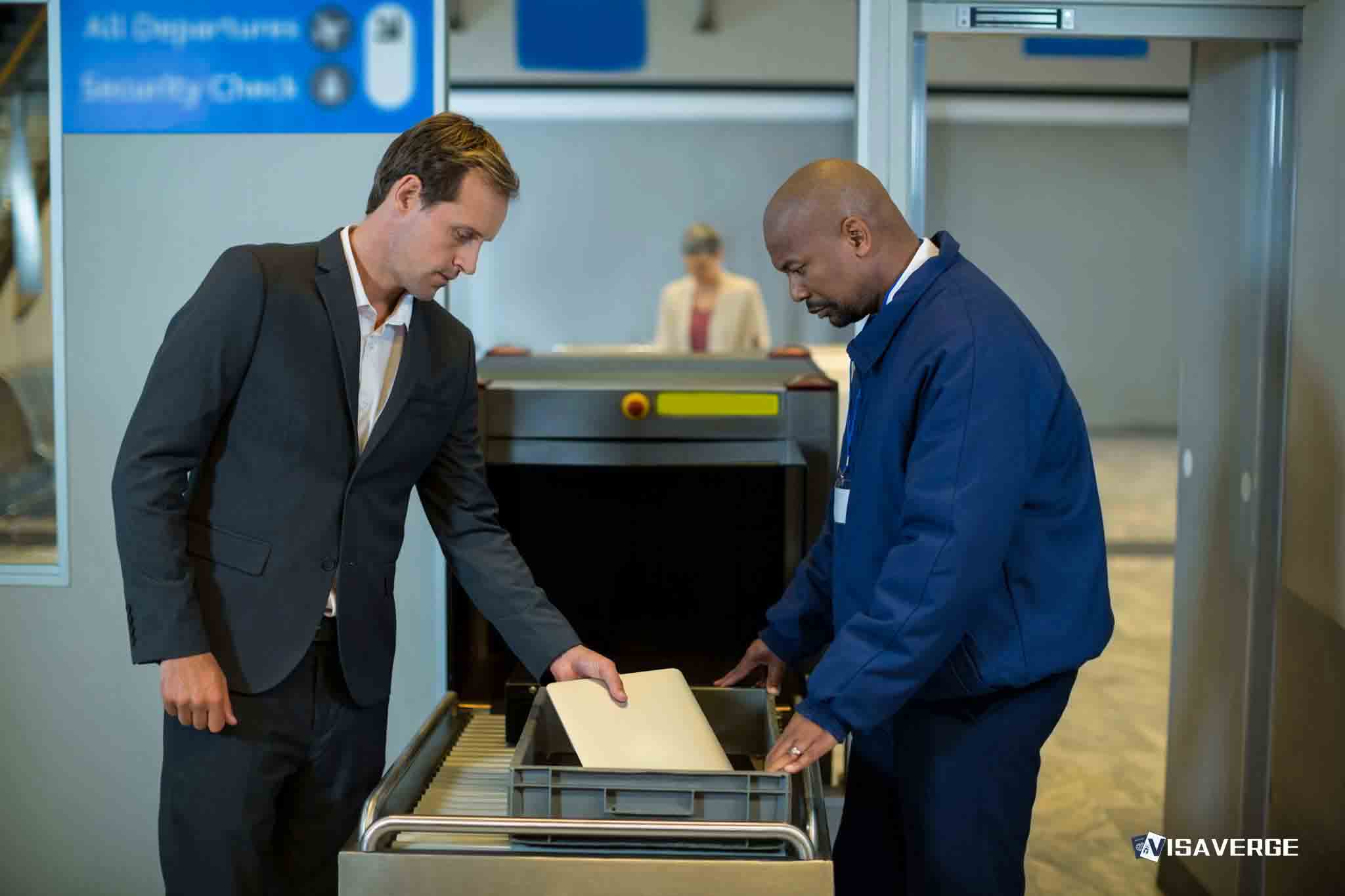
The support role was limited. ICE agents helped with non-screening work such as guarding exit lanes and checking IDs, and they did not operate X-ray machines or replace TSA screeners.
| India | China | ROW | |
|---|---|---|---|
| EB-1 | Feb 01, 2023 ▲109d | Jul 01, 2023 | Current |
| EB-2 | Nov 01, 2013 | Oct 01, 2021 ▲30d | Jan 01, 2025 |
| EB-3 | Jan 01, 2014 | Jan 08, 2022 ▲7d | May 15, 2024 ▼109d |
| F-1 | Jan 22, 2020 | Jan 22, 2020 | Jan 22, 2020 |
| F-2A | Sep 22, 2026 ▲31d | Sep 22, 2026 ▲31d | Sep 22, 2026 ▲31d |
Atlanta was one of 13 airports that received that kind of assistance. The list included Hartsfield-Jackson Atlanta International Airport, Chicago O’Hare, Cleveland Hopkins, Houston Hobby, JFK, LaGuardia, Louis Armstrong New Orleans, Newark Liberty, Philadelphia International, Phoenix Sky Harbor, Pittsburgh International, Southwest Florida International, and Luis Muñoz Marín International.
The episode drew attention because Atlanta handles traffic on a scale few airports match, and any staffing problem there can ripple quickly through checkpoints, terminal circulation and airline operations. Public data show, however, a short-term staffing crisis during the shutdown, not a structural handoff of passenger screening authority.
That distinction matters in federal aviation security because checkpoint screening at U.S. commercial airports falls under national rules, not local preference alone. Any long-term shift away from TSA screening would require federal action rather than a unilateral decision by airport leadership.
No public evidence shows that Atlanta decided to “drop TSA.” The airport remained a standard U.S. commercial airport checkpoint operation under the Transportation Security Administration.
The numbers from March still stand out. An average callout rate of 21.5% across the shutdown period already placed Atlanta at the top among major airports, and the single-day jump to 37% on March 24, 2026 showed how acute the staffing problem became at its peak.
Absentee data alone do not show that screening functions stopped or that TSA withdrew from the airport. They show that Atlanta faced severe staffing strain while federal officials searched for ways to keep parts of the airport operation moving.
That is where the ICE deployment fit in. Agents were used in supporting assignments around the checkpoint environment, but records draw a clear line between those duties and the specialized work TSA officers perform at screening lanes.
Guarding exit lanes and checking IDs can ease pressure on stretched airport staff, especially during a shutdown that disrupts payroll and attendance. Running X-ray machines and conducting passenger screening are different functions, and ICE agents were not assigned to those roles.
The list of airports that received ICE support also shows that Atlanta was not an isolated case. Federal officials used the same limited support model at airports in New York, New Jersey, Pennsylvania, Illinois, Ohio, Texas, Louisiana, Arizona, Florida and Puerto Rico as staffing pressure spread beyond one city.
Even so, Atlanta’s figures were the most severe in the available data. The airport recorded the highest average callout rate among major airports during the shutdown period, and its one-day peak of 37% marked an especially sharp strain point.
The partial Department of Homeland Security shutdown formed the backdrop to that disruption. TSA staffing problems at airports emerged during that period in March 2026, with Atlanta becoming the clearest example of how quickly absentee rates could rise at a large hub.
Public records stop short of any post-shutdown policy change at the airport. They support a narrower account: Atlanta experienced a severe shortage of available TSA staff during the shutdown, federal authorities arranged stopgap help for non-screening tasks, and the airport remained within the usual TSA checkpoint system.
That narrow account also cuts against broader claims implied by the phrase “drop TSA.” Hartsfield-Jackson Atlanta International Airport has not announced that it will “drop TSA,” and no public action removing the agency from checkpoint operations is identified.
In practical terms, the March data point to an airport under pressure rather than an airport changing security models. A high callout rate can affect wait times, lane management and staffing flexibility, but it does not by itself amount to a transfer of screening authority.
Atlanta’s experience also shows how federal agencies can divide airport security work during a staffing emergency. TSA kept responsibility for screening, while ICE agents handled peripheral duties that freed up TSA personnel for core checkpoint functions.
That split preserved the line between support work and screening work. It also explains why the presence of ICE agents at Hartsfield-Jackson Atlanta International Airport did not mean ICE had taken over TSA operations.
Any effort to determine whether conditions changed after the shutdown would turn on current statements from TSA or the Department of Homeland Security, statements from Hartsfield-Jackson Atlanta International Airport, and any public comments from Delta or Atlanta airport leadership. Those are the institutions positioned to say whether staffing practices, support arrangements or checkpoint operations changed after March 2026.
What the public record establishes now is more limited and more concrete: Atlanta saw the highest average TSA callout rate among major airports at 21.5%, hit 37% on March 24, 2026, accepted temporary support from ICE agents for non-screening duties, and kept checkpoint screening under TSA.