- Southwest Airlines banned all humanoid and animal-like robots from cabins and checked baggage regardless of size.
- The policy was triggered by a viral incident involving Stewie, a humanoid robot seen on a flight.
- Aviation safety concerns center on the high-risk lithium-ion batteries typically found inside these specialized robotic devices.
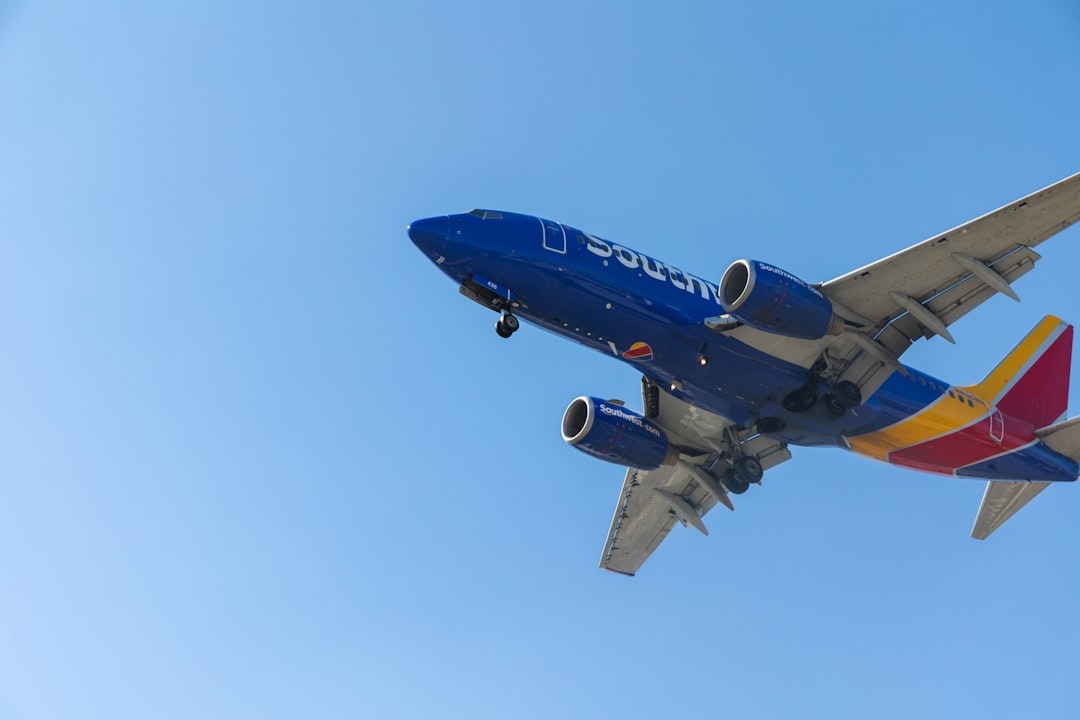
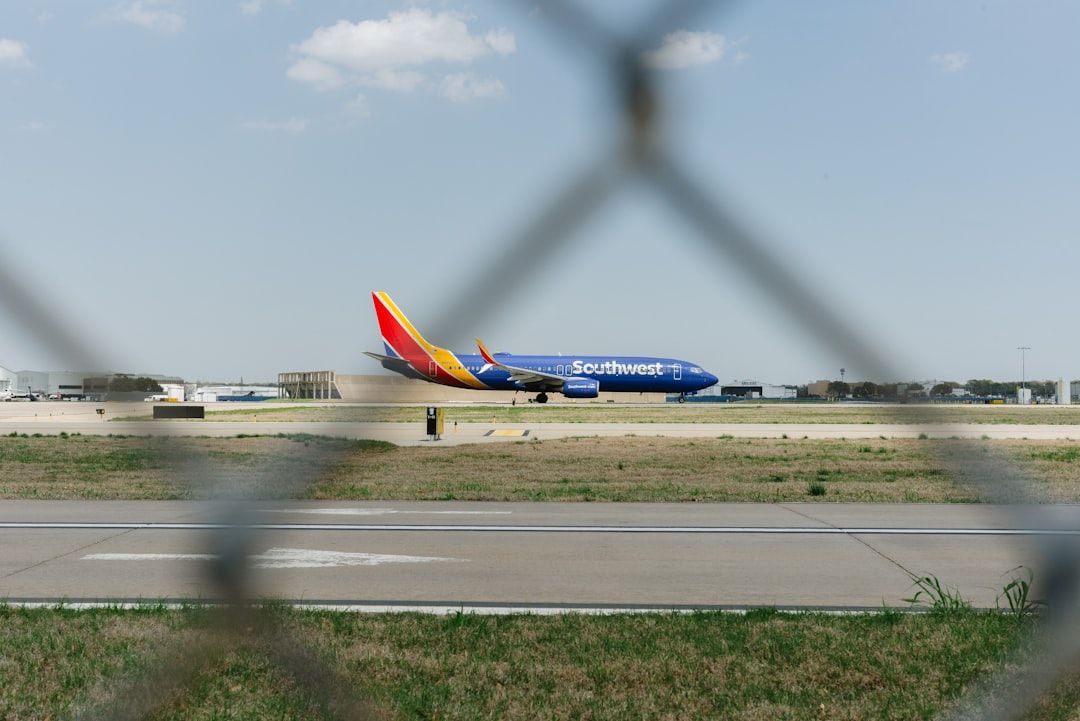
(UNITED STATES) – Southwest Airlines has banned human-like and animal-like robots from being carried in the cabin or as checked baggage, adopting a policy that covers humanoid-style robots and animal-like robots regardless of size or purpose.
The airline introduced the rule after a viral incident involving a humanoid robot named Stewie on a Southwest flight. Southwest tied the ban to the lithium-ion batteries commonly used in robots, which can pose a fire risk.
The policy reaches broadly. It does not turn on whether a robot is large or small, and it does not distinguish between personal, commercial or other uses. The defining point is the type of item: robots that are human-like or animal-like.
Southwest Airlines did not frame the restriction around appearance alone. The airline’s stated rationale centers on the batteries inside many of these devices. Lithium-ion batteries have long drawn scrutiny in air travel because of fire concerns, and Southwest linked its new rule to that hazard.
The timing of the change followed unusual publicity around Stewie, the humanoid robot whose appearance on a Southwest flight spread widely online. That episode gave the airline a concrete example tied to a fast-growing category of consumer and specialty machines that can blur the line between electronics, personal devices and baggage.
What Southwest has now done is remove that ambiguity for this class of items. Human-like and animal-like robots are barred from both places passengers ordinarily rely on to transport belongings: the aircraft cabin and the checked baggage hold.
That leaves little room for workarounds under the policy as described. A passenger cannot bring one aboard as a carry-on and cannot place one in checked luggage instead. The restriction applies either way.
Southwest also did not limit the rule to one style of robot body. The wording described in the policy covers humanoid-style robots and animal-like robots, capturing machines designed to resemble people as well as those modeled on pets or other animals.
Airlines already police a long list of items that raise safety questions in flight, especially those involving battery chemistry and heat. Southwest’s new restriction places a particular category of robots inside that safety framework rather than treating them as ordinary consumer electronics.
That distinction matters because robots are not a single-purpose product. Some are novelty devices. Others serve as research tools, companions, demonstrations or mobile platforms. Southwest’s policy, as outlined, does not separate those functions. Purpose does not change the ban.
The rule also stands out for its visual and functional breadth. A humanoid machine and a robot shaped like an animal may differ in design and use, but Southwest grouped them together under one prohibition tied to the same underlying concern about lithium-ion batteries.
Passengers flying Southwest Airlines who own such devices now face a direct limit that goes beyond careful packing or battery handling. The airline has barred the machines themselves, not merely loose batteries or certain packing methods.
That approach follows from the airline’s explanation of risk. If the concern is the battery systems commonly embedded in these robots, then excluding the devices from both the cabin and checked baggage removes the question of where on the aircraft they can travel.
The policy, as described, also avoids size debates that can complicate baggage rules. A small robot does not get different treatment from a larger one, and a device meant for display does not receive a separate exception from one meant for active use.
Southwest has therefore taken a categorical approach to a narrow but increasingly visible kind of item. In a travel environment where passengers often carry phones, laptops and other battery-powered devices, the airline singled out human-like and animal-like robots as a distinct class it will not transport.
The immediate trigger was not a technical advisory or a quiet internal update but a highly visible incident involving Stewie. A viral moment aboard a Southwest flight turned an unusual onboard item into a policy question, and the airline answered with a ban that now covers both the passenger cabin and checked baggage.