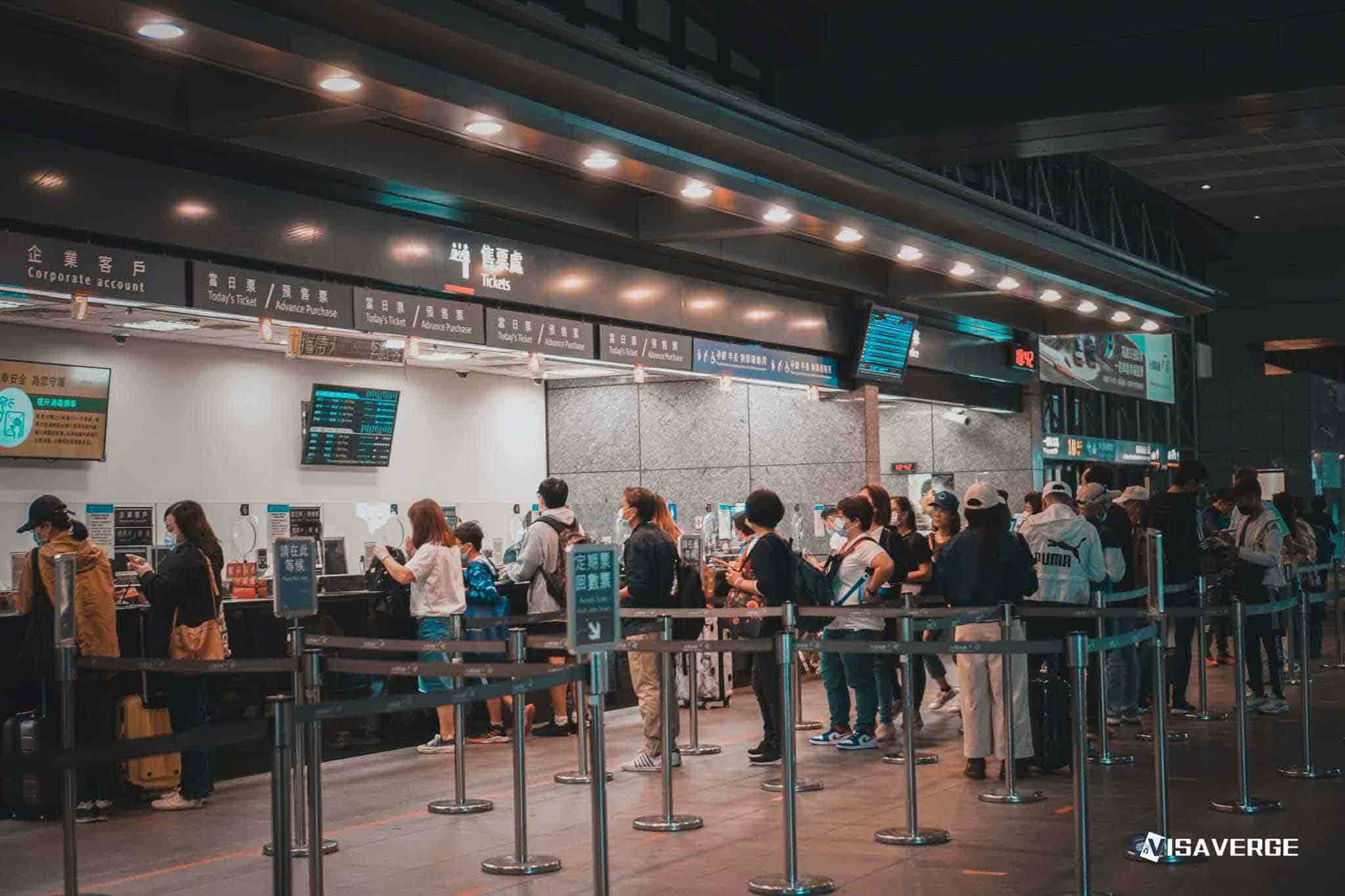
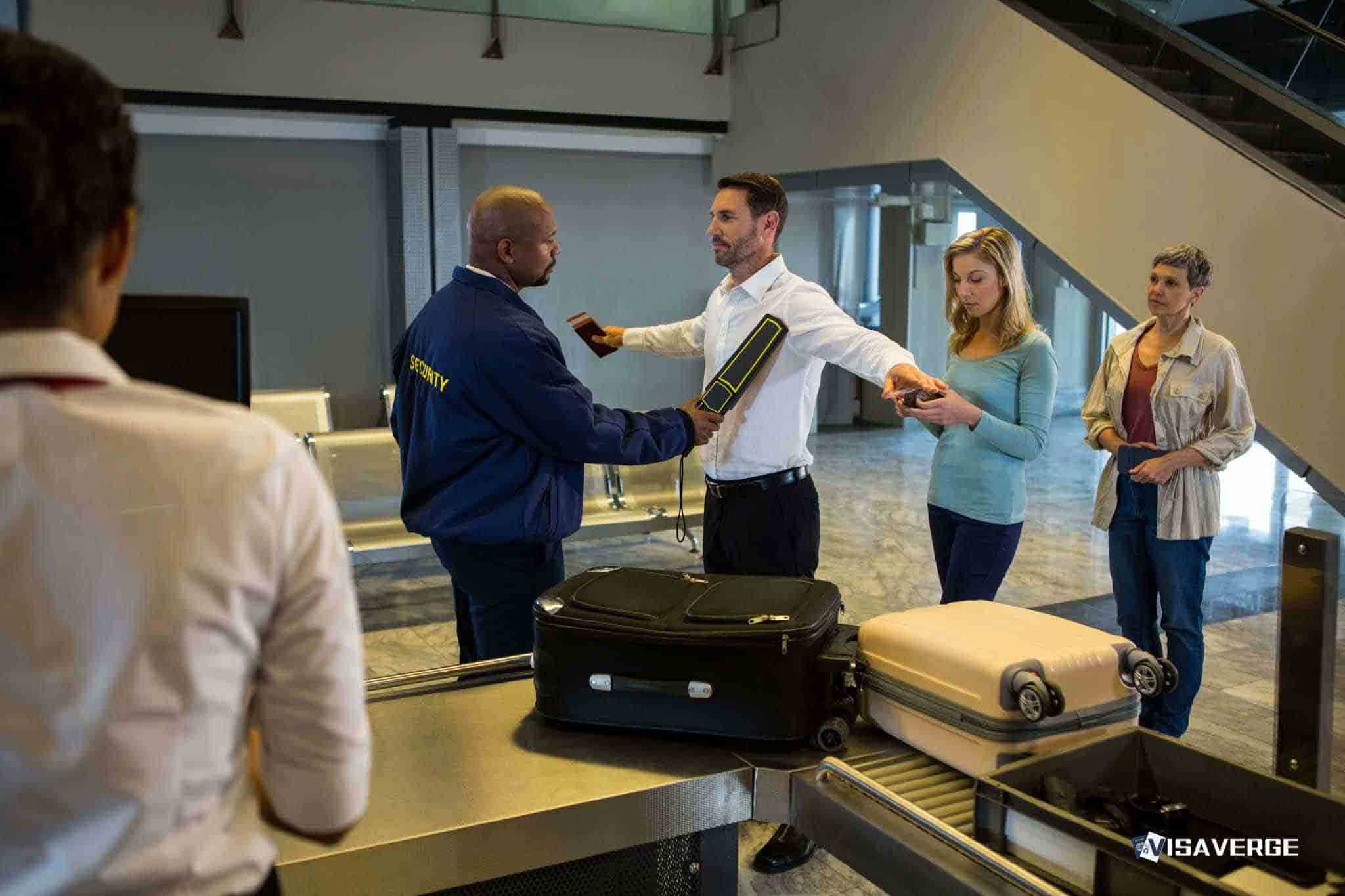
Major US Airlines and travel groups are pushing back against a new Senate bill that would limit the use of facial recognition at airport checkpoints. The Senate Commerce Committee is set to review this bill in July 2025, marking a key moment in the debate over biometric screening in the United States ??.
The Senate bill would require the Transportation Security Administration (TSA) to give passengers the right to opt out of facial recognition without facing delays or unfair treatment. It also demands that TSA provide clear, non-biometric ways to check identity at all checkpoints and set stronger rules to prevent misuse of biometric data.
Free toolUSCIS Receipt Number Decoder
US Airlines’ Concerns
US Airlines, represented by Airlines for America, along with the U.S. Travel Association and major airport groups, have sent letters to the Senate urging them to reject the bill. They argue that:
| India | China | ROW | |
|---|---|---|---|
| EB-1 | Feb 01, 2023 ▲109d | Jul 01, 2023 | Current |
| EB-2 | Nov 01, 2013 | Oct 01, 2021 ▲30d | Jan 01, 2025 |
| EB-3 | Jan 01, 2014 | Jan 08, 2022 ▲7d | May 15, 2024 ▼109d |
| F-1 | Jan 22, 2020 | Jan 22, 2020 | Jan 22, 2020 |
| F-2A | Sep 22, 2026 ▲31d | Sep 22, 2026 ▲31d | Sep 22, 2026 ▲31d |
- Operational Disruption: Limiting facial recognition would force TSA to rely on manual ID checks, which could use up to 75% of TSA’s budget on staffing and cause much longer wait times.
- Security Risks: Airlines say facial recognition is vital for national security. They warn that rolling back its use would be a “step backward,” hurting new tools like automated e-gates and PreCheck Touchless ID.
- Efficiency: The industry believes the bill could create chaos at security checks and slow down the rollout of new technology meant to help passengers move faster.
Supporters of the Senate Bill
Senators Jeff Merkley and John Kennedy, who support the bill, say TSA has not done enough to inform travelers about their right to opt out. They worry that the unchecked growth of facial recognition could lead to a “national surveillance state.” Supporters want more transparency, better protection of civil liberties, and clear rules on how biometric data is used.
Current TSA Practices
- Facial Recognition Use: TSA uses facial recognition at over 200 airports, with plans to expand to more than 400.
- Technology: TSA’s CAT-2 scanners match a live photo to your ID. Photos are deleted after a match, except in limited tests.
- Opt-Out Policy: Participation is voluntary. You can ask for a manual ID check with no penalty or delay. Signs at checkpoints must tell you about this right.
- Privacy: TSA says it does not use biometric data for surveillance or law enforcement and deletes it after use, except during tests.
- Recent Changes: As of July 8, 2025, travelers no longer need to remove shoes at security. TSA is also testing new screening lanes and CT scanners.
What Happens Next?
If the Senate bill passes, TSA must offer clear alternatives to facial recognition and cannot delay or single out those who opt out. If it fails, TSA will likely keep expanding facial recognition and automation.
Practical Tips for Travelers
- At the checkpoint, present your ID or passport at the CAT-2 scanner.
- You may be asked to look at a camera. If you want to opt out, tell the TSA officer.
- You no longer need to remove your shoes.
- Starting May 7, 2025, you must show a REAL ID-compliant license or passport for domestic flights. For more details, visit the TSA REAL ID page.
As reported by VisaVerge.com, the Senate’s decision will shape the future of airport security, privacy, and technology for millions of travelers in the United States ??.
Learn Today
Facial Recognition → Biometric technology matching a live face image to stored ID data for identity verification.
TSA (Transportation Security Administration) → US agency responsible for airport security, including screening passengers and baggage.
Opt-Out → Passenger choice to refuse facial recognition without penalty or increased wait times at TSA checkpoints.
CAT-2 Scanner → Credential Authentication Technology device used by TSA to compare live passenger photos with IDs.
PreCheck Touchless ID → Automated TSA program allowing expedited, contactless passenger identity verification for trusted travelers.
This Article in a Nutshell
US Airlines oppose a Senate bill limiting facial recognition at airports, fearing delays and security risks. The bill mandates TSA offer opt-out rights, prompting debate on privacy versus efficiency during July 2025’s Senate Commerce Committee review.
— By VisaVerge.com