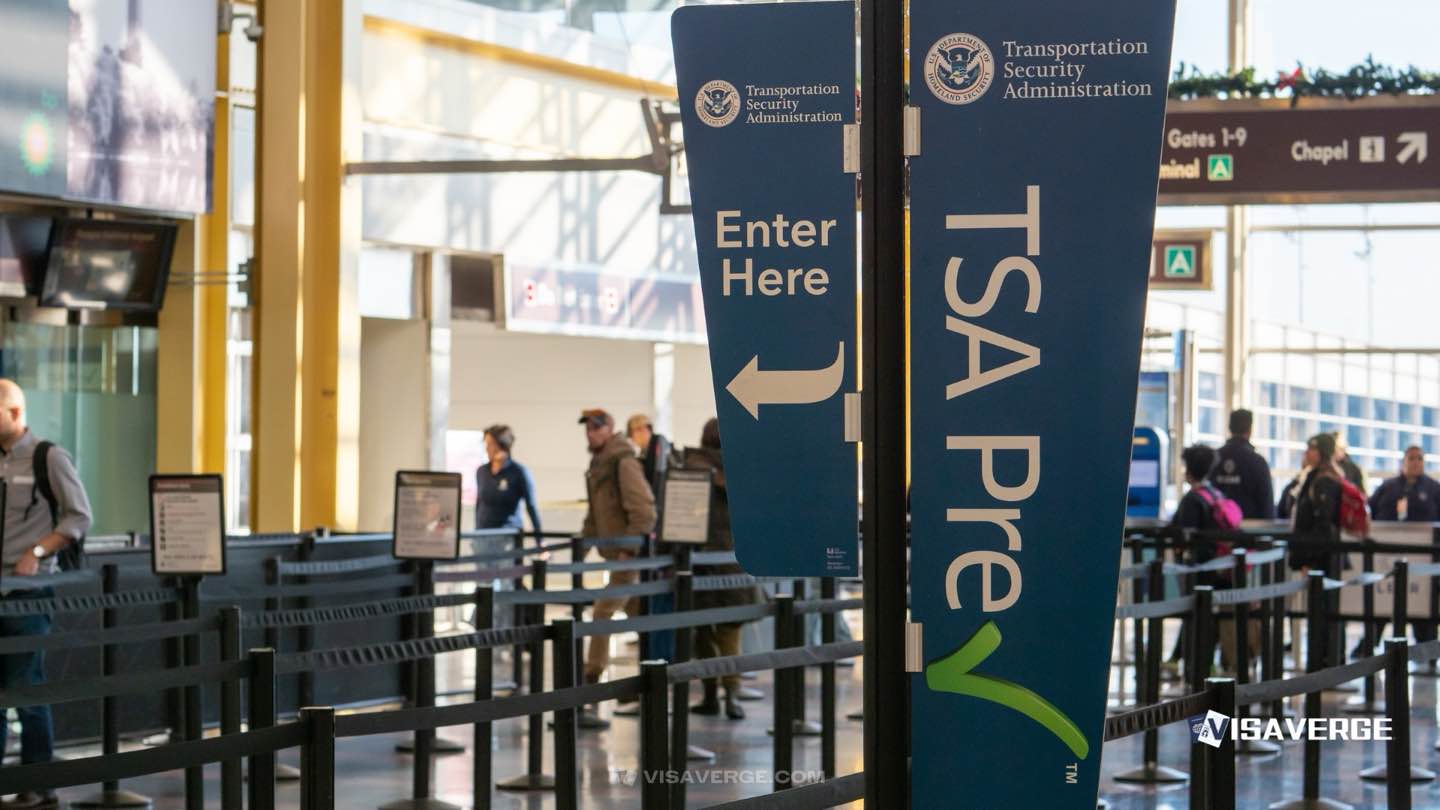
The TSA is rolling out new airport tech as of August 10, 2025, but it is not dropping ID checks. Despite online claims, no 14‑airport pilot program removes IDs.
Instead, travelers at select checkpoints can opt in to Facial Recognition Technology, keep their shoes on, and expect more digital tools aimed at faster lines and stronger security.
What’s changing right now
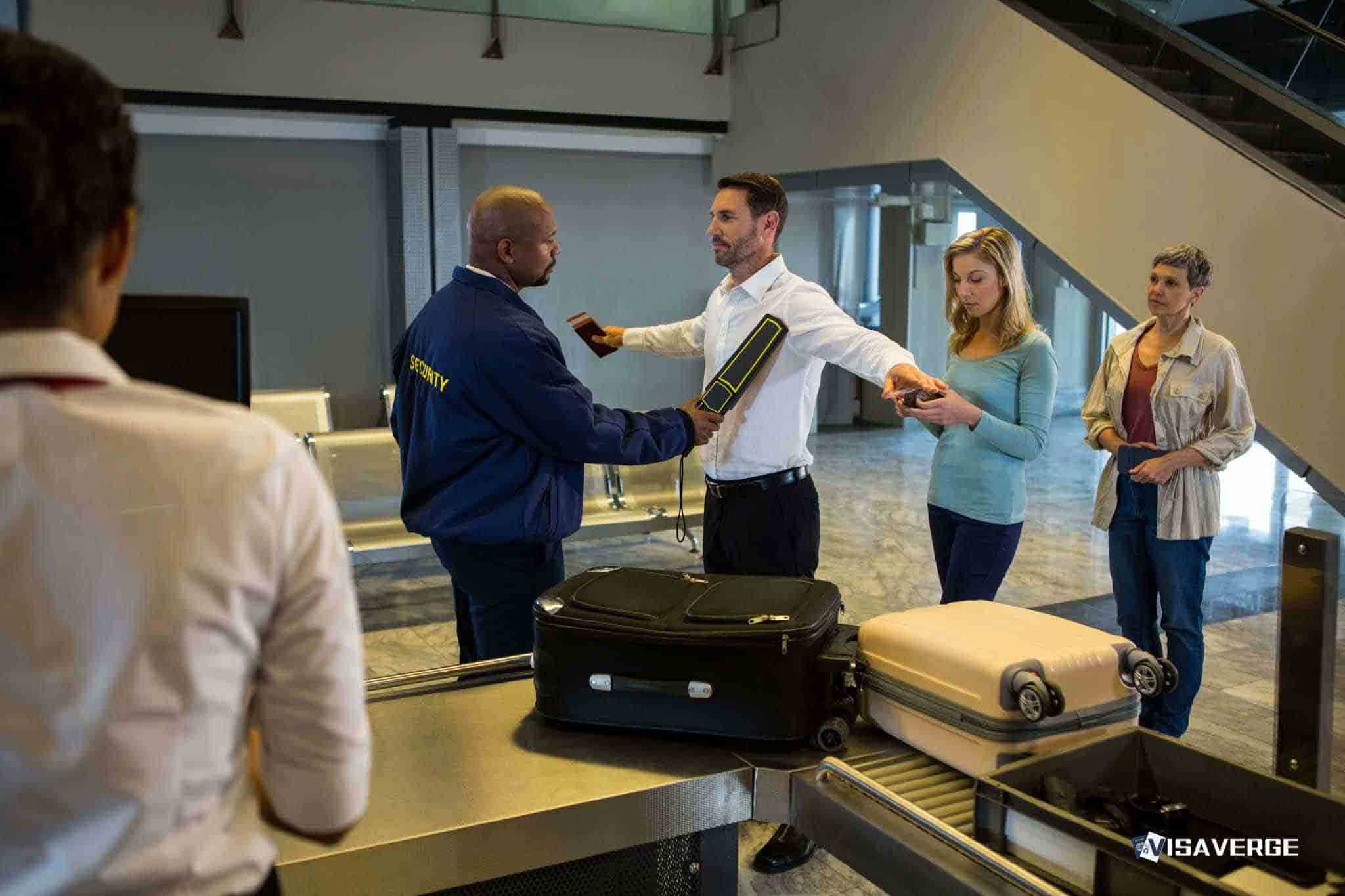
- Shoe-free screening is in effect as of July 8, 2025. Passengers no longer remove shoes at security.
- Liquid rules are under review. The Department of Homeland Security is studying the 3.4‑ounce limit, but no change is announced yet.
- Facial comparison is expanding. TSA is using cameras at some lanes to match your live photo to your ID photo. It’s opt‑in where offered.
- Photos aren’t kept after a positive match, except in limited testing areas, according to TSA policy.
About that “no ID needed” claim
Rumors say a new TSA pilot program at 14 airports removes the need for ID. As of today, there is no official program that lets travelers go through security without ID checks at those airports.
TSA does run pilot programs to test tools like Facial Recognition Technology, but those trials do not end the basic requirement to confirm identity. Bring your physical ID to the airport, and be ready to show it when asked.
How Facial Recognition Technology works at checkpoints
TSA’s system performs a one‑to‑one match: it compares your face to the photo on your ID to confirm it’s you. The typical flow at participating lanes is:
- You place your ID on a reader.
- A camera captures a live image of your face.
- The system compares the two images.
- A TSA officer reviews the result and decides next steps.
Key points:
– It’s opt‑in where available — you can say no.
– Officers remain in the loop; machines don’t make final decisions.
– TSA says images are not stored after a successful match, except during limited testing to evaluate accuracy.
What TSA leaders and the industry are saying
- TSA program manager Lucy Rimensnyder says the agency is focused on new tools that improve passenger experience while keeping security strong.
- TSA Chief Technology Officer J. Matt Gilkeson notes that AI tools can help at checkpoints, and that the agency is taking a careful rollout approach.
- Airlines for America President Nicholas E. Calio welcomes changes that make travel smoother and safe for customers and crews.
These statements reflect a wider shift toward using technology to cut wait times while ensuring identity checks remain firm. That balance matters to families, business travelers, and millions of international visitors to the United States ?? each year.
Key takeaway: Technology is being used to streamline checkpoints, but not to eliminate identity verification.
Privacy, choice, and control
Biometrics raise important concerns. Privacy groups warn about civil liberties and bias. TSA states it limits data use at checkpoints and does not keep photos after a positive match, except in small testing programs.
The agency also stresses that travelers can opt out and get a standard manual check instead.
If you’re uneasy, you can:
– Ask for a manual ID check.
– Keep your face mask on until the officer tells you to remove it briefly for ID matching.
– Note any concerns and speak with a supervisor.
What this means for immigrant travelers
Identity checks at TSA are different from immigration inspection by U.S. Customs and Border Protection, which happens after you land or when you exit.
At the security checkpoint:
– Be ready with your passport and boarding pass.
– If offered a facial match, you can opt in or opt out.
– If unsure, ask a TSA officer to explain the steps before you proceed.
Families traveling with kids can expect shoe‑free screening for everyone, helping keep lines moving and lowering stress for parents juggling strollers and bags.
What to expect at the airport this summer and fall
At more checkpoints you may see:
– Cameras above the ID station for face matching.
– Clear signs telling you the biometric step is optional.
– Officers guiding you through the lane and answering questions.
Practical tips:
– Still bring your physical ID. Until rules change, carry a valid ID.
– Arrive early. New tech can speed lines, but busy travel days still bring crowds.
– Know your choice. You can opt in to Facial Recognition Technology or choose a manual check.
The bigger picture: where this is going
- TSA plans to scale facial comparison tools to more than 400 airports in the coming years.
- The agency issued a Request for Information seeking private partners to build integrated biometric and digital ID solutions.
- The goal is a smoother checkpoint where people keep moving with fewer bottlenecks and officers focus on risk.
Airlines and airports are also investing. Analysis by VisaVerge.com finds a large share of carriers plan to use biometrics by 2026, and most airports are funding these projects. Expect more face match systems at bag drops, security, and boarding gates.
Addressing common questions
- Is this mandatory? No. Participation is optional where facial comparison is offered.
- Can I refuse the camera? Yes. Choose a manual ID check with an officer.
- Are my photos saved? TSA says photos are not stored after a successful match, except in limited testing to confirm accuracy.
- Do I still need my ID? Yes. There is no confirmed TSA pilot program that removes ID checks at 14 airports.
- Will this cut my wait time? It can help, especially during peak hours, but still plan to arrive early.
How to prepare for your next flight
- Pack liquids under current limits until DHS announces any change.
- Keep your ID handy at the front of your bag.
- If using the face match lane, remove hats and sunglasses when told.
- If you do not want to use biometrics, clearly tell the officer you prefer a manual check.
For official updates on TSA security technology and policies, visit the agency’s website: https://www.tsa.gov
Bottom line
- No, TSA is not ending ID checks at 14 airports.
- Yes, facial comparison is expanding, and it’s optional.
- Shoe‑free screening is already in place.
- Liquid rules remain the same for now.
These steps aim to make travel faster while keeping identity checks solid. Bring your ID, know your choices, and plan a few extra minutes at the checkpoint to help move through security with less stress—whether you fly once a year or every week.
This Article in a Nutshell
TSA expands facial recognition and shoe-free screening to speed checkpoints, starting August 10, 2025. Participation in biometric lanes remains optional; officers review matches and images aren’t retained after positive matches except limited tests. Travelers must keep physical ID, follow current liquid rules, and can request manual checks to protect privacy and choice.