- Adults without REAL ID can fly using TSA ConfirmID verification for a forty-five dollar fee.
- Minors under eighteen remain exempt from identification requirements for domestic flights within the United States.
- The verification process takes ten to thirty minutes and is valid for ten days of travel.
(UNITED STATES) — The Transportation Security Administration now lets some travelers board domestic flights without showing a passport or physical ID, through a long-standing exemption for minors and a paid adult verification program called TSA ConfirmID.
TSA and the Department of Homeland Security implemented TSA ConfirmID on February 1, 2026, after a December 2025 announcement tied to full enforcement of the REAL ID Act. The new process applies to adults who arrive without a REAL ID, passport or another acceptable document and seek an alternative way to confirm identity before flying within the United States.
Children under 18 remain exempt from the identification rule on domestic trips. TSA’s guidance, updated June 17, 2026, says: “The TSA does not require minors under 18 to present identification when traveling within the United States. However, unaccompanied minors who qualify for TSA PreCheck must present valid identification to access expedited screening.”
Free toolREAL ID Requirements Checker toolAdults face a different system. TSA ConfirmID requires a $45 non-refundable fee, paid through Pay.gov, and the verification remains valid for a 10-day travel period. The process can take 10 to 30+ minutes, which means travelers who rely on it need extra time at the airport.
Steve Lorincz, TSA Acting Executive Assistant Administrator for Security Operations, said on February 5, 2026: “TSA ConfirmID has been a huge success due to the ongoing collaboration with our airline, airport and industry partners. We have seen negligible operational impact in the system because of the preparation of our team. We continue to encourage travelers who do not have REAL ID-compliant identification or acceptable IDs to take the time to make appointments at their state’s Department of Motor Vehicles.”
The “test” referenced in online claims does not mean a new exam for the public. For minors, it is an age-based exemption. For adults, it refers to the TSA ConfirmID identity verification process, which uses digital databases and questioning when a traveler does not have acceptable identification at screening.
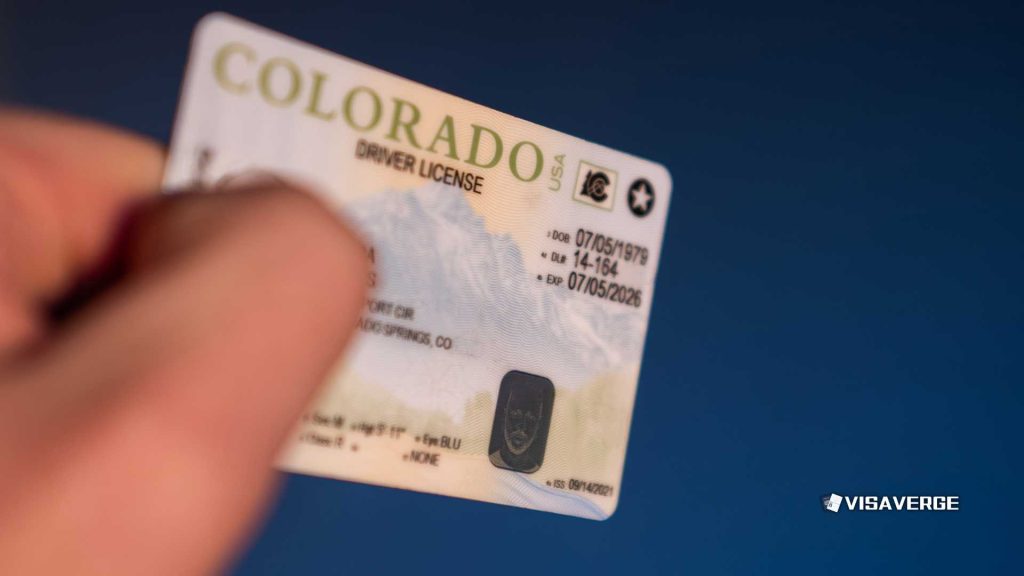
Full enforcement of the REAL ID Act changed the stakes for domestic air travel. Travelers now need a star-marked state license or another accepted document, such as a passport, to clear security in the normal way. TSA ConfirmID gives adults a fallback, but it also adds cost and delay for people who have not upgraded their documents.
That cost falls most directly on U.S. citizens and residents who still do not carry REAL ID-compliant identification. A traveler who forgets a wallet or arrives with a noncompliant license can still try to stay on the itinerary, but the safety net now comes with a $45 charge for each 10-day travel window.
Families with children avoid that extra paperwork for minors on domestic trips. A child under 18 does not need a passport or other document to fly within the country, which keeps the long-standing rule in place even as the adult screening standard has tightened under REAL ID enforcement.
International visitors still need a valid passport for international travel, and a foreign passport remains acceptable for domestic flight segments inside the United States. If that passport is lost during a trip, TSA ConfirmID becomes the main alternative for an adult trying to continue a domestic itinerary without a physical document.
TSA has also expanded digital identity options at participating airports. Travelers enrolled in Apple Digital ID, Clear ID or Google Pass ID, when linked to a valid REAL ID, can often pass through screening with a biometric scan or a mobile device rather than handing over a physical card.
The agency has framed that shift as part of a broader modernization effort. TSA said the newer digital and touchless systems are meant to close gaps in ID standards while preserving an option for travelers who arrive without documents, though the paid ConfirmID process also pushes people toward obtaining a REAL ID-compliant license.
Privacy remains part of that expansion. TSA said images used in TSA PreCheck Touchless ID and related biometric verification are “not used for law enforcement, surveillance, nor shared with other entities” and are typically deleted within 24 hours of flight departure.
Travelers looking for the formal rules can find them on TSA’s ConfirmID page, the agency’s acceptable identification page, the DHS newsroom, and the USCIS Policy Manual, which covers immigration documents such as employment authorization documents and green cards that can serve as acceptable ID. The passport rule has not changed for international trips. Only domestic flights fall under the minor exemption and the TSA ConfirmID backup process.