- TSA continues to reject temporary paper IDs at all airport security checkpoints throughout 2026.
- Travelers need a permanent REAL ID card or an approved passport to board domestic flights.
- The new TSA ConfirmID backup costs $45 and requires a 30-minute processing time for emergencies.
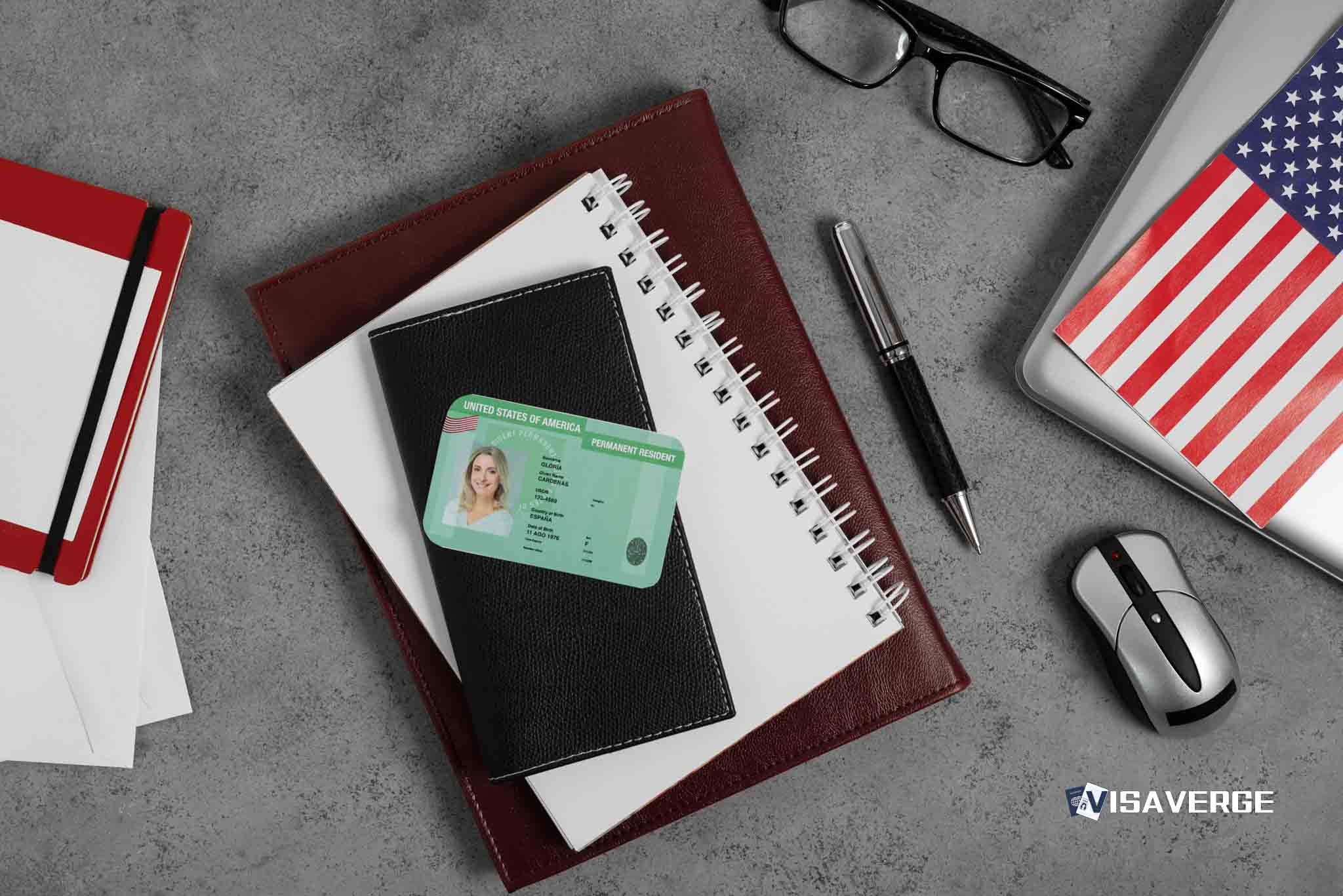
(UNITED STATES) Temporary paper REAL ID printouts do not get travelers through TSA checkpoints, and that rule still holds in 2026. Air passengers age 18 and older need a permanent REAL ID-compliant card or another TSA-approved document to board domestic flights, and the paper slip from a DMV is not enough on its own.

That matters for immigrants, recent movers, people waiting for replacements, and anyone who planned to fly with a temporary document after a license renewal. It also matters for families racing to meet flight times, because the wrong ID now means delays, missed flights, and rebooking costs.
TSA’s airport rule is now firm
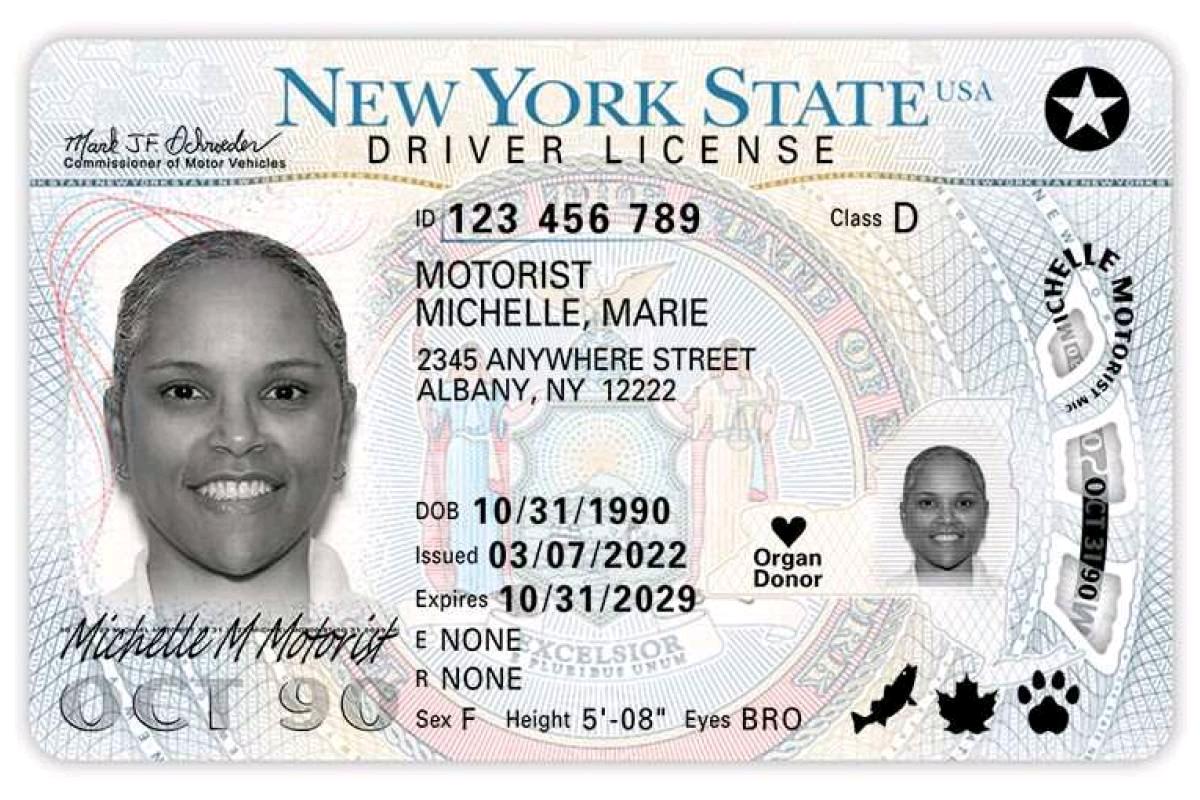
The REAL ID Act set federal standards for state-issued licenses and ID cards, but the airport rule is now fully enforced. A compliant card carries a star marker in the corner. TSA accepts that hard plastic card. TSA does not accept Temporary paper REAL ID printouts, even when the state DMV issued them after a valid application.
The reason is simple. Paper temporaries are easy to damage, copy, or change. They lack the security features that appear on a permanent REAL ID-compliant card. That federal rule applies nationwide, including states that issue paper proof while the plastic card is still being made.
States such as California and New York give paper interim documents after a new application or replacement request. Washington’s Enhanced Driver’s License works only in permanent form. A paper replacement for a lost card also fails at airport screening. Mobile or digital IDs do not replace a physical card at TSA checkpoints.
VisaVerge.com reports that travelers who relied on paper documents have faced the sharpest problems since enforcement tightened. For immigrants, the stakes are especially high because DMV delays and USCIS document timelines often overlap.
What travelers can use instead
If you do not have a permanent REAL ID-compliant card, TSA allows several other physical documents. The main options are a U.S. passport or passport card, a U.S. military ID, a DHS Trusted Traveler card such as Global Entry, NEXUS, SENTRI, or FAST, and certain federally recognized tribal photo IDs.
Children under 18 do not need ID when traveling with an adult on a domestic flight. For everyone else, the document must be valid and physically presented at the checkpoint. A digital image, screenshot, or wallet app does not replace the card.
For official guidance, travelers can review the TSA identification requirements page. For federal background on REAL ID standards, see the Department of Homeland Security REAL ID page.
Immigrants should also keep their immigration paperwork in order when applying for a state ID. Many DMVs ask for a green card, visa, I-94 record, or other USCIS document before issuing the card. If your name changed after marriage or another legal event, the DMV record must match your travel documents.
TSA ConfirmID gives travelers a paid backup
TSA launched TSA ConfirmID on February 1, 2026, as a backup for travelers who arrive without a compliant ID and without another approved document. The program is not free. It costs $45, and the fee is non-refundable. Travelers complete an online form through tsa.gov, often using QR codes at the airport, and provide name and travel dates.
Processing takes 30+ minutes. Approval is not guaranteed. If TSA approves the request, the traveler receives a digital receipt that is valid for 10 days. That receipt can be printed or shown on a phone at the checkpoint.
The payment options include ACH bank transfer, PayPal, Venmo, debit card, and credit card. TSA says the system is meant as a backup, not a replacement for proper documents. It does not reimburse official Department of Defense travel. It also does not remove airline fees if a traveler misses a flight.
Alaska Airlines has already warned that change fees may still apply when a traveler misses a flight because of an ID problem. Saver fares can lose value quickly. That makes ConfirmID a last-resort tool, not a planning strategy.
Timeline, document checks, and airport risk
The safest approach is to apply for a permanent card well before travel. DMV processing for a plastic REAL ID often takes 2-6 weeks, and busy states can run longer. Travelers with upcoming flights should apply 8+ weeks before departure. That cushion matters most for immigrants who are waiting on work authorization, a new green card, or a corrected legal name.
At the airport, the first checkpoint is simple: present a physical, accepted ID. If the card is temporary paper, TSA will reject it. If the traveler has a passport, military ID, or trusted traveler card, screening continues normally. If the traveler has neither, TSA ConfirmID becomes the backup path, but only if the traveler completes the process in time.
A mismatch in names creates another problem. A passport, ticket, and ID must line up closely enough for TSA to verify identity. That is why recent marriage, divorce, or court-order name changes should be fixed before travel.
Common mistakes that keep causing denials
Many travelers still believe a DMV paper printout proves enough. It does not. Others assume their state’s temporary document gets a special exception. It does not. Federal screening rules override state DMV practice.
Another mistake is waiting until the day of travel to fix the problem. TSA ConfirmID requires time, and there is no guarantee of approval. A late airport request can leave a traveler with a denied boarding decision and a costly rebooking bill.
Recent data from TSA and airline reporting show that ID problems have remained common since the new enforcement period began. More than 80% of U.S. driver’s licenses are now compliant, but gaps remain for new residents, immigrants, and people who recently moved. TSA reported 15,000+ ID-related denials in the first year of enforcement, and airline reports say ConfirmID use rose sharply after launch.
What immigrants should do before the next flight
Immigrants and visa holders should treat the airport rule as a document deadline, not a suggestion. Bring the documents the DMV accepts, request the card early, and keep an unexpired passport ready as a backup. If the plastic card has not arrived, do not assume a paper slip will work.
For travelers using USCIS paperwork at the DMV, the key is to keep every document current and consistent. A green card, I-94, EAD, or other status document should match the name on the ticket and the ID request. If that card is delayed, TSA ConfirmID can help in an emergency, but only for a short window.
Permanent REAL ID upgrades continue across the country, and DHS says millions of travelers still move through the system each quarter. The message from TSA is clear: Temporary paper REAL ID printouts will not get you through security, and the best protection against travel trouble is a permanent REAL ID-compliant card or another approved physical ID.