- Since May 2025, TSA requires REAL ID-compliant identification for all domestic air travel for adults.
- A new $45 ConfirmID fee applies to travelers without compliant IDs starting February 1, 2026.
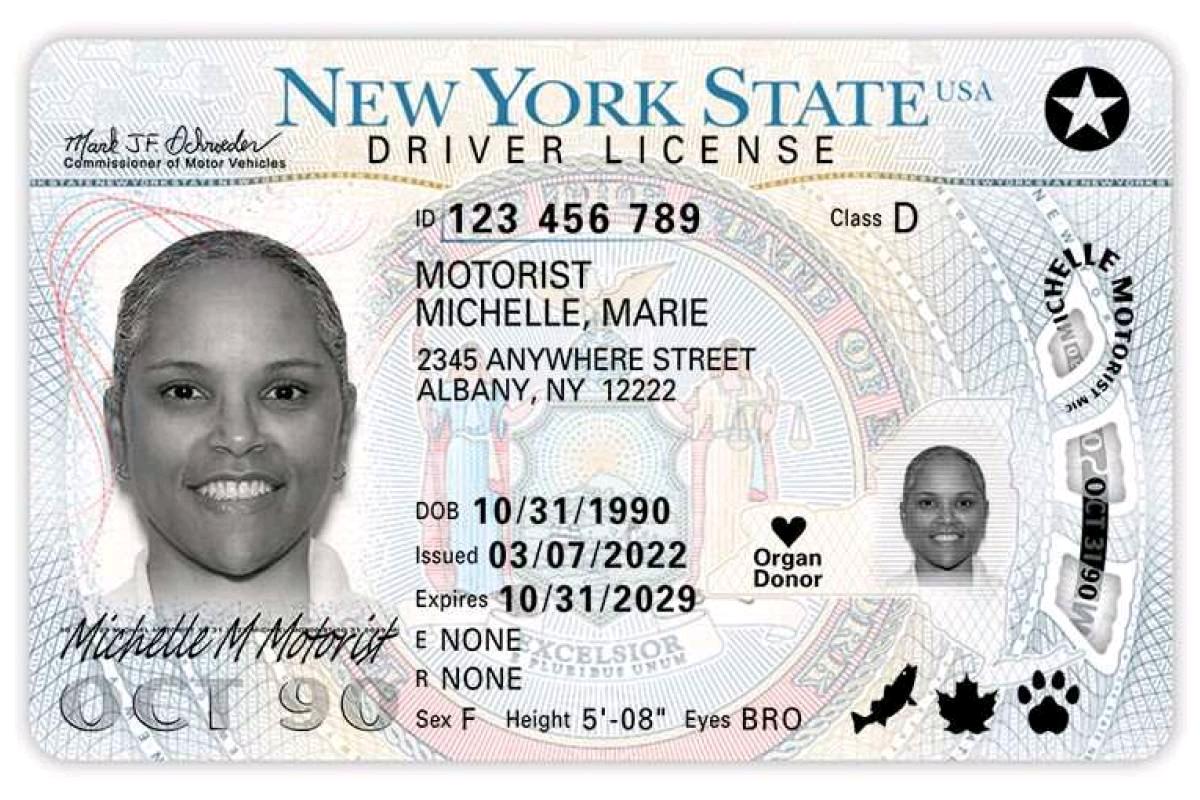
- Compliant cards typically feature a star in the upper right or are Enhanced Driver’s Licenses.
(UNITED STATES) REAL ID is now part of every domestic air trip for adults in the United States ??. Since May 7, 2025, TSA officers have required a REAL ID-compliant driver’s license or state ID, or another approved document, at the security checkpoint for passengers 18 and older.
That rule affects millions of travelers, including immigrants and noncitizens who rely on state-issued IDs for daily life. It also changes how much time people need at the airport, because travelers without the right document can face extra screening, delays, and, in some cases, missed flights.
The federal standard comes from the 2005 REAL ID Act, adopted after the 9/11 Commission recommendations. The goal was simple: make state IDs harder to fake and easier for federal officers to trust. Every state, territory, and the District of Columbia now issues compliant cards, but old licenses marked “Not for Federal Purposes” or “Federal Limits Apply” no longer work at TSA checkpoints.
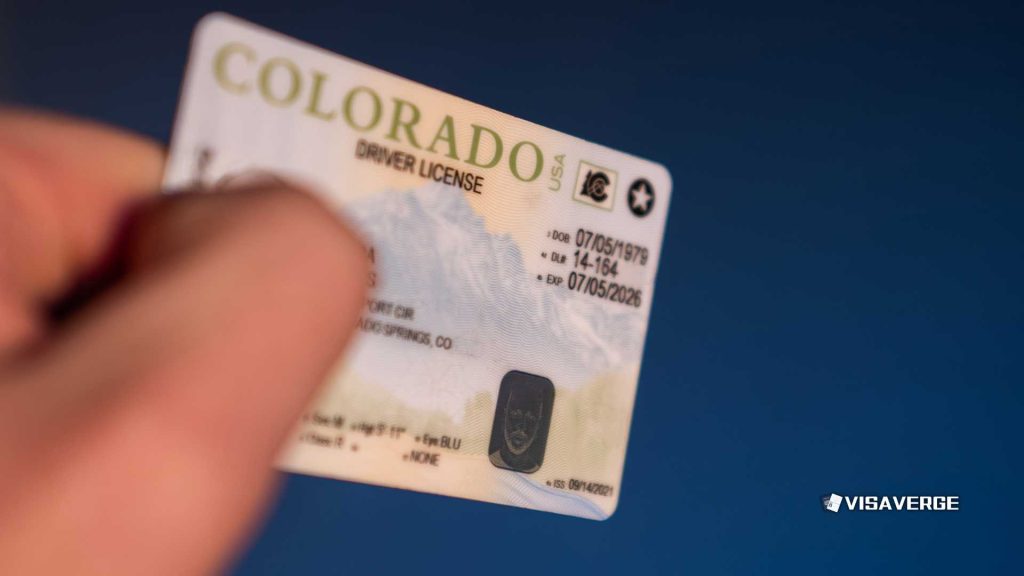
A compliant card usually has a star in the upper right corner. Enhanced Driver’s Licenses from Michigan, Minnesota, New York, Vermont, and Washington carry a U.S. flag instead, and TSA accepts them as compliant.
The airport process now starts at the checkpoint
REAL ID enforcement applies at the TSA security line, not at airline check-in. That means a traveler can still get a boarding pass and then run into trouble at screening.
Adults who do not have REAL ID or another approved document are sent through extra identity checks. TSA may ask questions, verify personal details, and compare records before allowing the traveler through. If the identity cannot be confirmed, the traveler does not board.
Children under 18 do not need identification when traveling with an adult on a domestic flight. Airlines may still require ID for unaccompanied minors, so families should check carrier rules before travel.
TSA says compliant travelers move through the system faster. That matters during busy holiday periods, early-morning banked departures, and business travel peaks, when checkpoint lines already run long.
According to analysis by VisaVerge.com, the biggest change for travelers is no longer the rule itself. It is the cost of waiting until the airport to deal with it.
The new ConfirmID fee adds another layer
On February 1, 2026, TSA began charging a $45 ConfirmID fee for travelers who arrive without REAL ID or another approved document. The fee covers a 10-day verification window through pay.gov.
Travelers must pay online before reaching the checkpoint, enter basic trip details, and bring the receipt with them. TSA says the receipt can be used more than once during that 10-day period. The fee is non-reimbursable, including for official Department of Defense travel.
At airports that use QR codes and printed instructions, the process now pushes unprepared travelers toward online payment before they reach the line. If they do not complete the payment step, they can face longer delays or miss their flights.
Airlines do not have to waive change fees for ID-related missed flights. That means the price of arriving without the right document can quickly become much higher than $45.
What immigrants and noncitizens should carry
REAL ID creates a higher stakes moment for immigrants and noncitizens because TSA identity checks can expose missing status records or expired paperwork.
The most useful documents include:
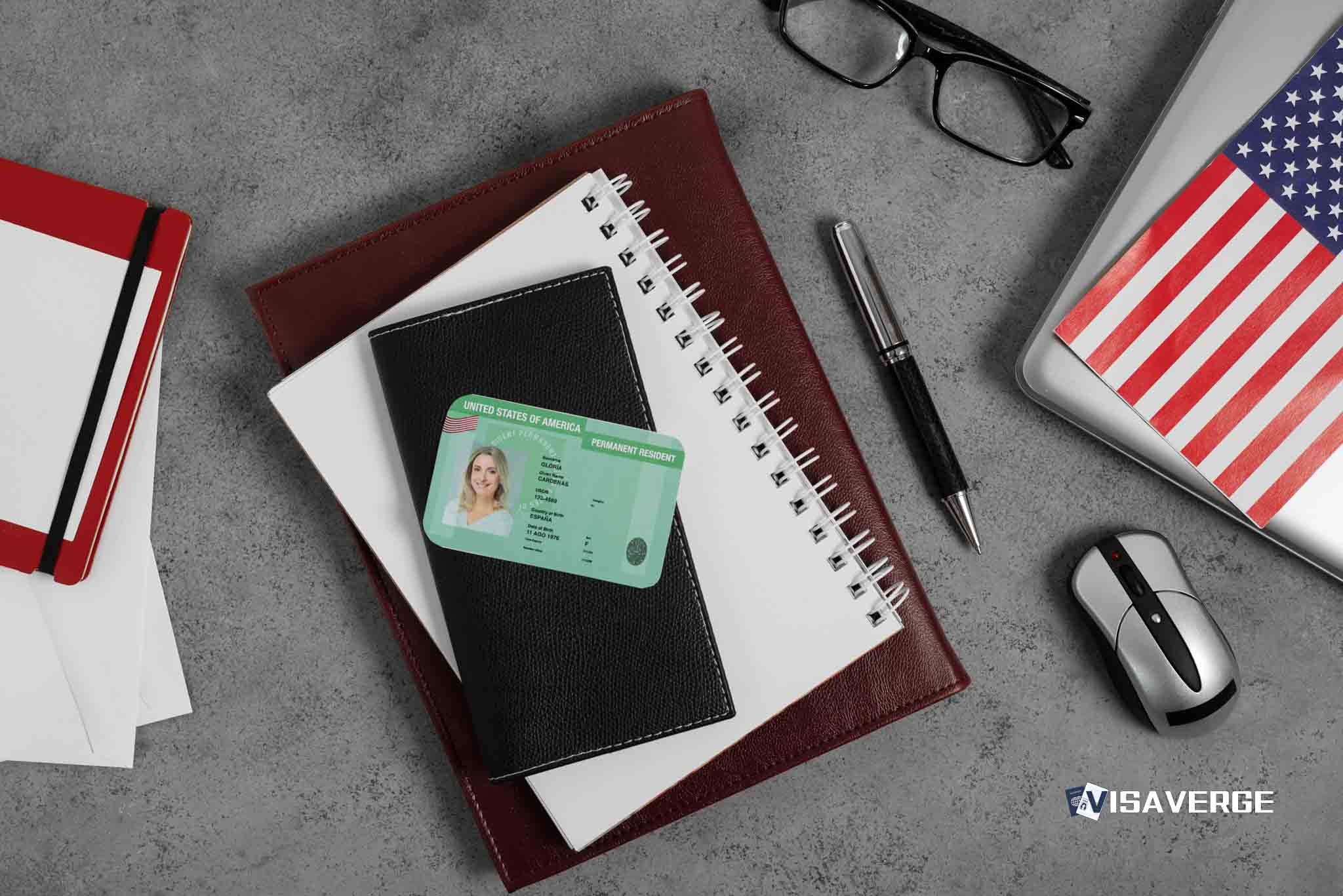
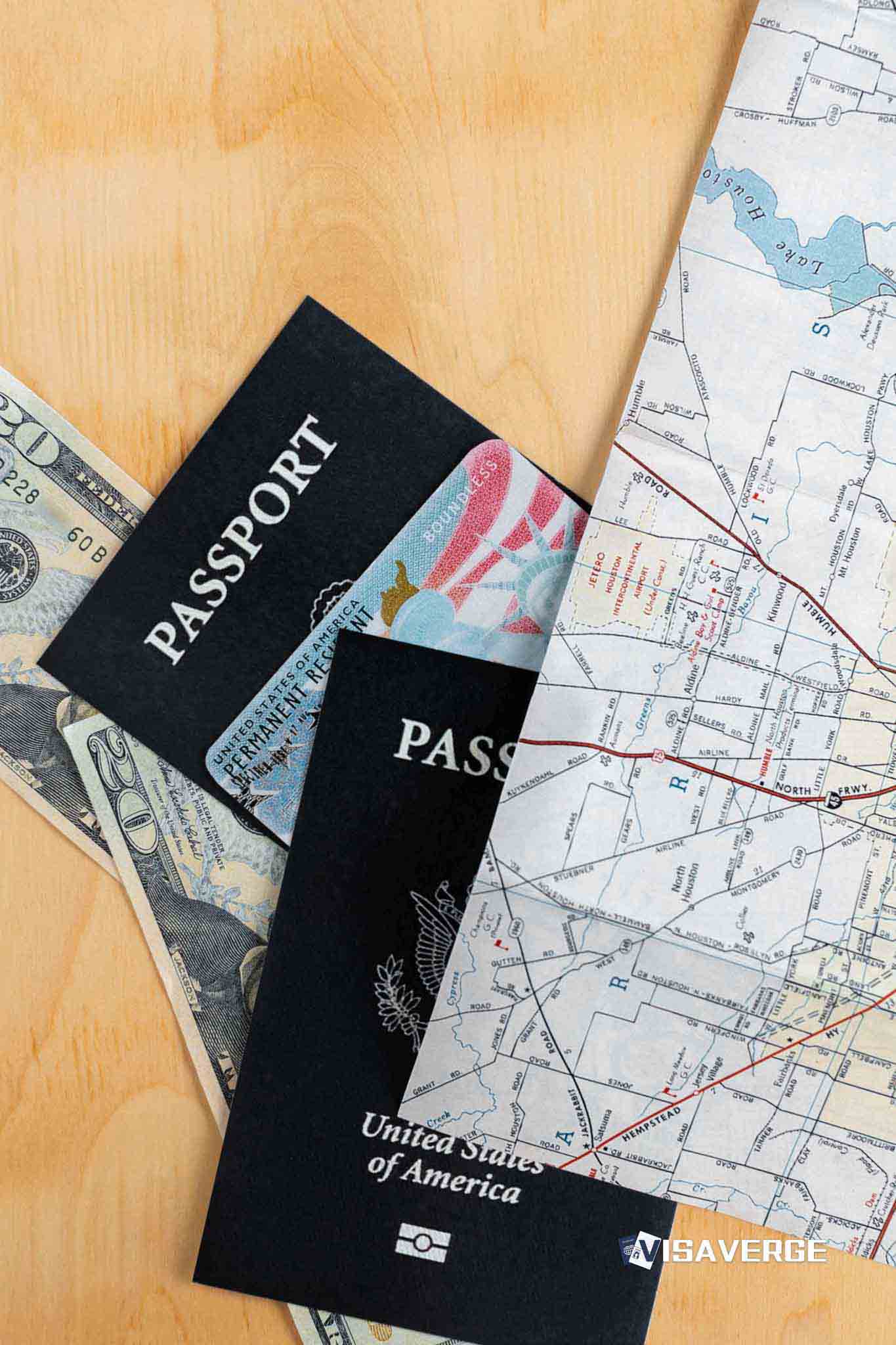
- Permanent Resident Card, Form I-551
- Employment Authorization Document, Form I-766
- Foreign passport with visa and I-94
- Enhanced Driver’s License
- DHS Trusted Traveler cards such as Global Entry, NEXUS, SENTRI, or FAST
TSA also accepts a number of other documents, including a Tribal photo ID, TWIC, HSPD-12 PIV card, Veteran Health ID Card, and U.S. Merchant Mariner Credential.
A green card or valid EAD often gives immigrants the easiest path through the checkpoint. For temporary status holders, an unexpired EAD paired with extension paperwork can help. Travelers should keep name-change records, such as marriage certificates or court orders, with them if their current ID uses a different name.
For domestic airport travel, a passport still works. That is often the fastest fix for people who do not yet have a REAL ID card.
DMV visits now matter more than ever
All states issue REAL ID cards, but the first application still requires an in-person visit. Most DMVs ask for proof of identity and date of birth, Social Security evidence, lawful status for noncitizens, and two proofs of residence.
Many states need original documents, not photocopies. That includes birth certificates, passports, green cards, EADs, and name-change records. Travelers should check state rules before visiting, because document lists vary.
In North Carolina, the state directs applicants to the REAL ID document checklist and appointment tools and says first-time applicants must appear in person. The state also uses a document wizard to build a custom checklist. North Carolina accepts out-of-state REAL ID cards as proof of identity for upgrades.
Nationwide, some states automatically issue REAL ID at renewal, while others do not. That makes renewal notices worth reading carefully. A license that still works for driving can still fail at TSA.
When REAL ID does not matter
REAL ID is for federal security checks, not everyday life. It is not needed for driving, voting, banking, hospital visits, or age checks for alcohol purchases.
It does apply to domestic flights, federal facilities, military bases, and some nuclear sites. For international travel, a passport is still required.
That split matters because many people have valid state licenses that work perfectly for daily use but still fail at the airport. The card can be legal for driving and useless for flying on the same day.
Why the deadline still matters in 2026
The federal government delayed full enforcement several times during the pandemic, but those extensions ended on May 7, 2025. DHS has said there will be no more delays.
That is why airport behavior has changed so quickly. About 94% of travelers now present compliant identification, but the remaining share still creates lines, extra checks, and missed connections. At Raleigh-Durham International Airport, the daily number of affected travelers has been put at roughly 2,000.
The message from TSA is direct: check the card before the travel day, not at the checkpoint. The DHS REAL ID page, available here, explains the federal standard and lists state resources in one place.