- TSA now requires REAL ID or accepted alternatives for all domestic flights for passengers 18 and older.
- The new TSA ConfirmID service offers a $45 backup for travelers without valid physical identification.
- Passports, Green Cards, and EADs remain valid alternatives to REAL ID for airport security checkpoints.
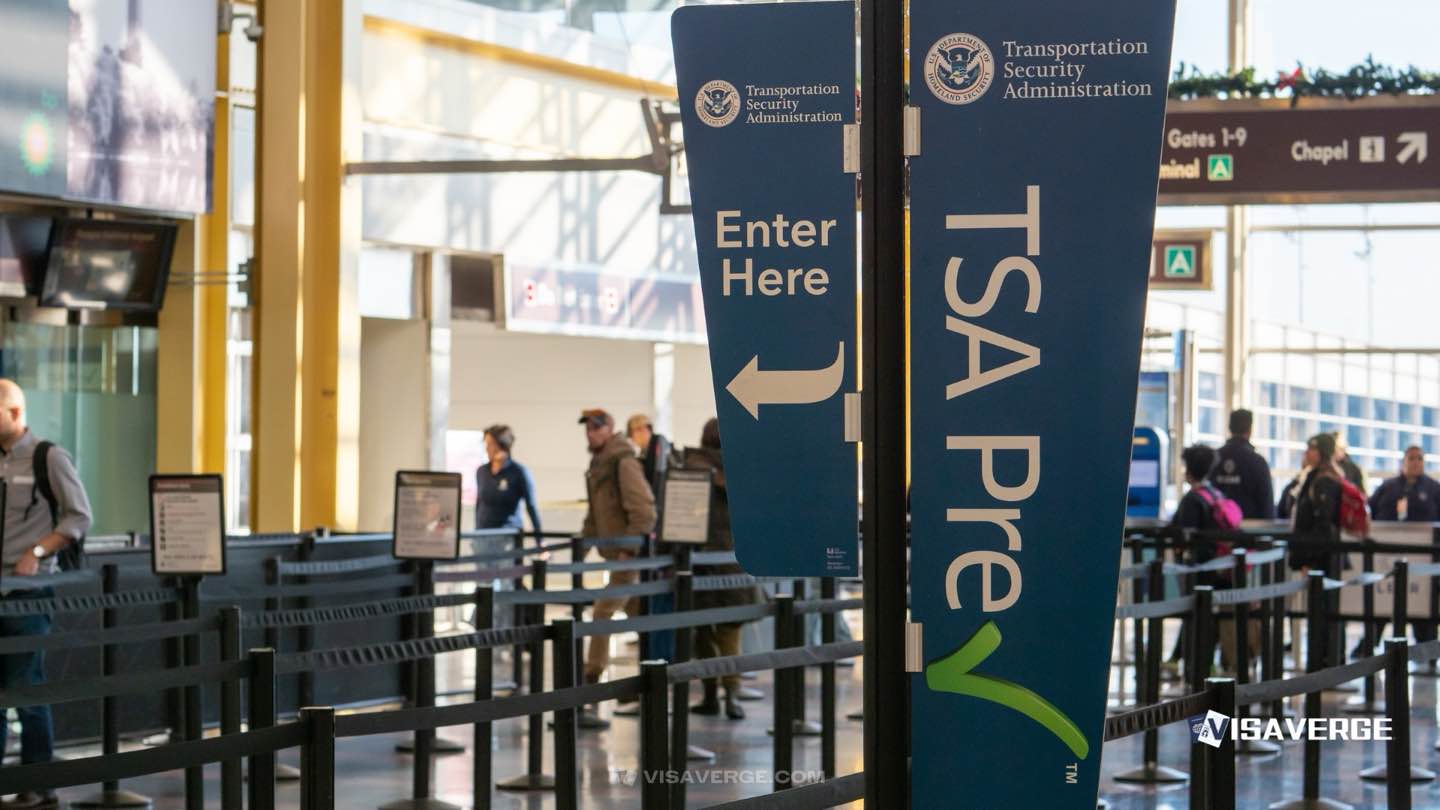
(UNITED STATES) — The Transportation Security Administration now requires travelers age 18 and older to present a REAL ID-compliant license or another accepted identity document at domestic airport checkpoints, a rule that has been in force since May 7, 2025 and has changed how passengers prepare for airport security.
Passengers who reach the checkpoint without a compliant license, passport, green card or other accepted document still have one fallback in some cases: TSA ConfirmID, a paid identity-verification option that costs $45 and applies to a 10-day travel period. The program gives TSA a way to try to verify identity, but it does not guarantee that verification will succeed or that the traveler will pass through security.
Free toolUSCIS Receipt Number Decoder
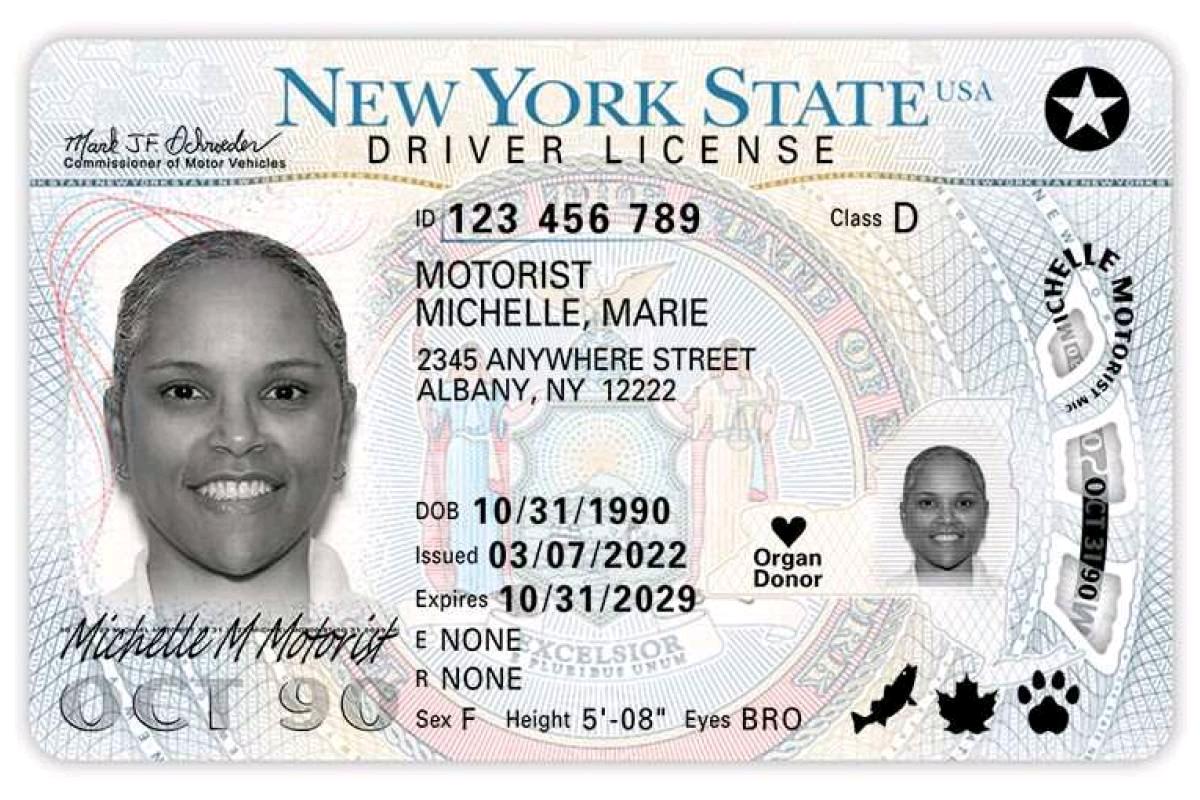
The shift matters because many domestic fliers long treated a standard state driver’s license as enough for routine travel inside the United States. That is no longer true unless the license meets REAL ID standards, commonly shown by a star marking, or the traveler carries another TSA-accepted document.
TSA’s acceptable alternatives go well beyond a REAL ID license. They include passports, permanent resident cards, Employment Authorization Documents, border crossing cards and Department of Homeland Security trusted traveler cards such as Global Entry, NEXUS, SENTRI and FAST, along with other government-issued identification.
ConfirmID sits outside that regular document system. TSA’s Pay.gov form says the fee applies when an air traveler age 18 or older has lost or does not have an acceptable form of identification to present at the checkpoint. After payment, the traveler receives a confirmation or receipt to keep for the checkpoint process.
A Federal Register notice says TSA set the ConfirmID program fee at $45 to cover government-incurred costs of operating the modernized alternative identity-verification program. Even after payment, the process remains conditional. TSA may still be unable to verify the traveler’s identity, and a traveler whose identity cannot be verified may not be allowed through security and may miss the flight.
That makes ConfirmID most relevant for adult travelers flying within the United States who arrive at the airport with no acceptable identification at all. The group can include people still carrying a non-REAL ID state license, travelers who lost a wallet shortly before departure, students with outdated state IDs, new residents who have not yet obtained a REAL ID, and some immigrants or temporary visa holders who misunderstand which documents TSA accepts.
Many noncitizens, however, already carry documents that solve the problem without ConfirmID. Lawful permanent residents can generally use a permanent resident card. A work-authorized noncitizen may be able to use a USCIS Employment Authorization Document. International students, H-1B workers, visitors and other visa holders may use a valid foreign passport for TSA identity screening.
That distinction is central for travelers who mix security screening with immigration rules. TSA checks identity for airport security. It does not admit a person into the country, create immigration status, replace a visa or satisfy airline or border-entry requirements. A valid passport may be enough for checkpoint purposes while a separate set of immigration rules still governs international travel, visa validity, re-entry and documents such as a green card, advance parole or ESTA.
Green card holders, students and temporary visa holders therefore face a practical document question rather than a new immigration category. A permanent resident without a REAL ID can carry the green card and avoid the ConfirmID process. An Employment Authorization Card, Form I-766, appears on TSA’s acceptable ID list and can matter for asylum applicants, adjustment applicants, TPS beneficiaries, DACA recipients and others with work authorization.
Travelers in H-1B, F-1, B-2 and other nonimmigrant classifications can use a valid foreign government-issued passport for TSA screening. That does not erase the need to check visa, I-94, passport validity and re-entry rules for international travel, but it does mean a REAL ID license is not the only path through a domestic checkpoint.
The practical risk around ConfirmID is broader than the $45 fee. A traveler without accepted identification can face extra steps, delays, separate handling and additional screening before TSA decides whether identity can be verified. Those delays can carry their own cost, especially for passengers with early departures, tight connections, international onward itineraries or time-sensitive commitments such as visa interviews, university reporting dates, job onboarding, court appearances, USCIS appointments or family emergencies.
TSA has also said passengers without REAL ID-compliant identification or another accepted alternative can face delays and additional screening. Physical documents still matter. Digital identity tools do not remove that requirement, and a passenger whose digital ID cannot be verified at the checkpoint must still present an acceptable physical identity document.
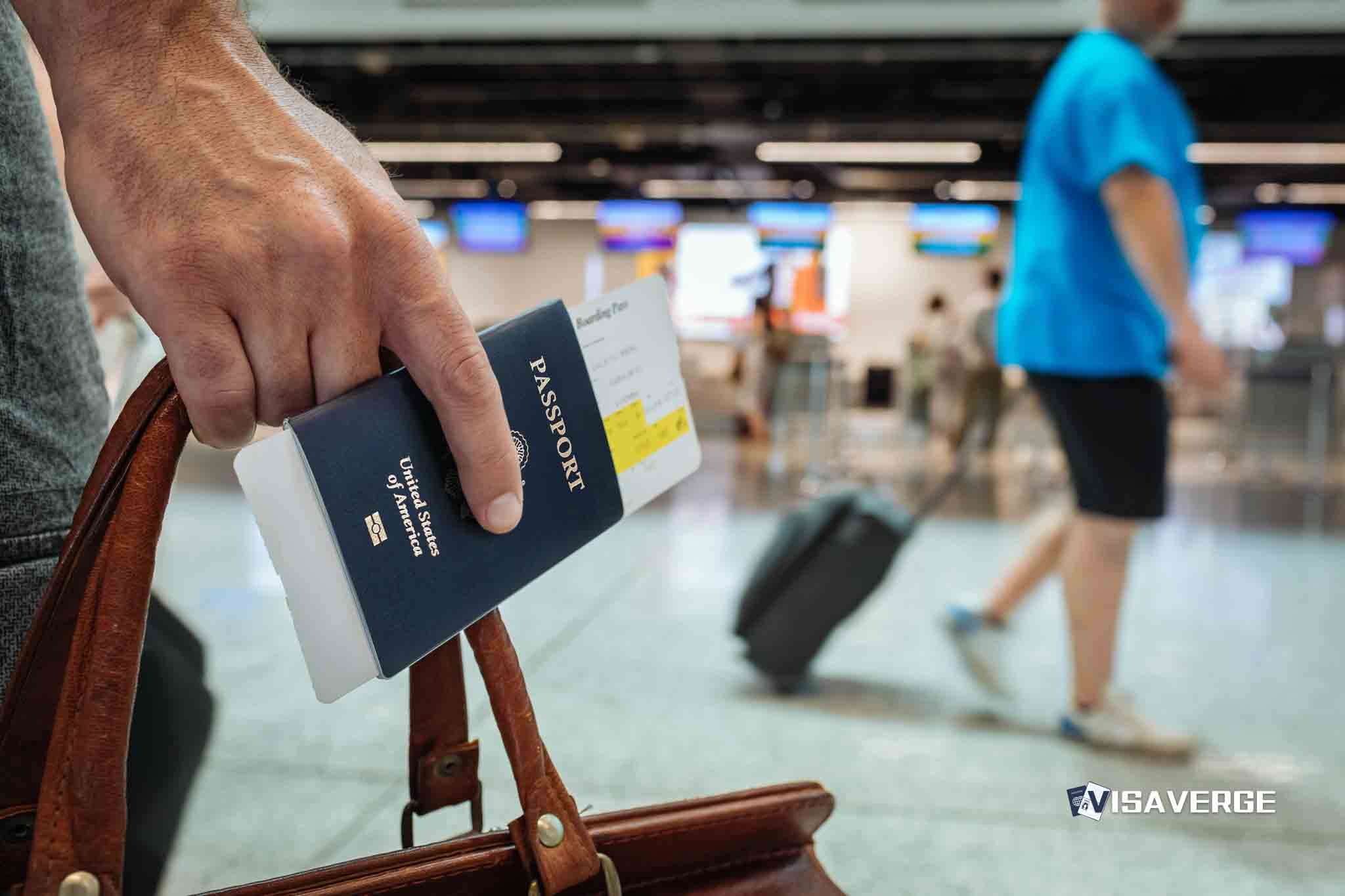
That leaves some common travel scenarios with a straightforward answer. A U.S. citizen who does not have a REAL ID but does have a valid passport can use the passport, and ConfirmID should not be necessary. A green card holder without a REAL ID can present the permanent resident card. An EAD holder can use the employment authorization card. In each case, the accepted document already answers the identity requirement for airport security.
The hardest case is the traveler who loses all identification before a domestic flight. ConfirmID may help, but it remains a backup rather than a ticket to automatic clearance. A failed verification can still end the trip at the checkpoint, and even a successful identity check can come with added screening and enough delay to cause a missed flight.
Preparation now starts before reaching the terminal. Travelers should check whether a state driver’s license or identification card is REAL ID-compliant and, if it is not, carry another TSA-accepted document. The name on the ID should reasonably match the airline booking, a point that can matter after marriage, divorce, naturalization or a correction to immigration records.
Passengers with any doubt about identification should carry physical documents, not rely on a phone screen, and arrive early enough to absorb delay. ConfirmID gives some adults a paid fallback if they arrive at a U.S. airport with no REAL ID, passport or other accepted document. It is not a loophole and not a boarding guarantee. A valid accepted ID remains the safer plan.