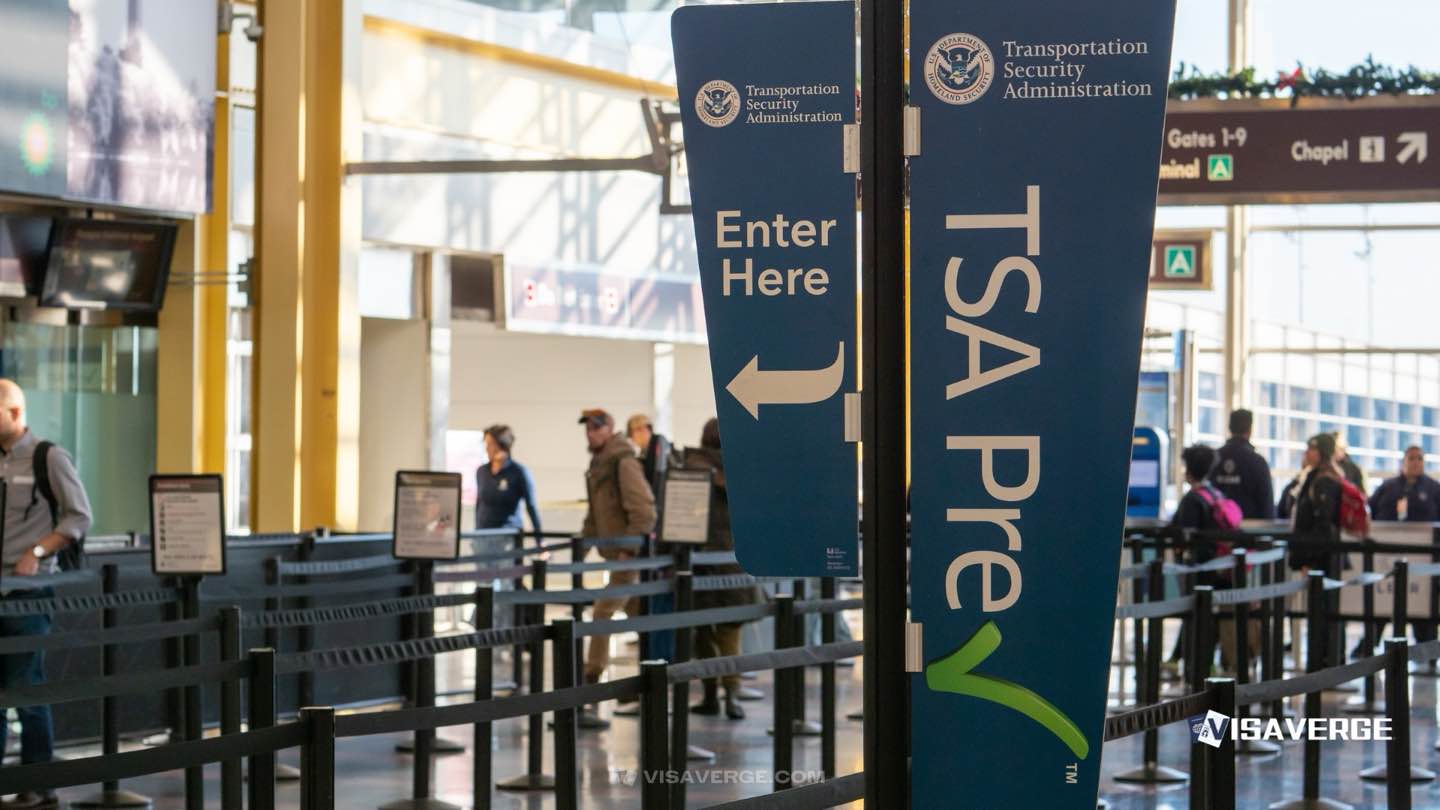
- TSA began charging a $45 fee for travelers without REAL ID starting February 2026.
- Domestic travelers to Puerto Rico must present federally accepted identification or face thirty-minute delays.
- International visitors require an approved ESTA or visa prior to boarding for San Juan.
TSA can charge travelers without compliant identification $45 for a 10-day travel period, and the resulting identity check may delay them by 30+ minutes. The TSA ConfirmID option began on February 1, 2026, but payment alone does not assure permission to board.
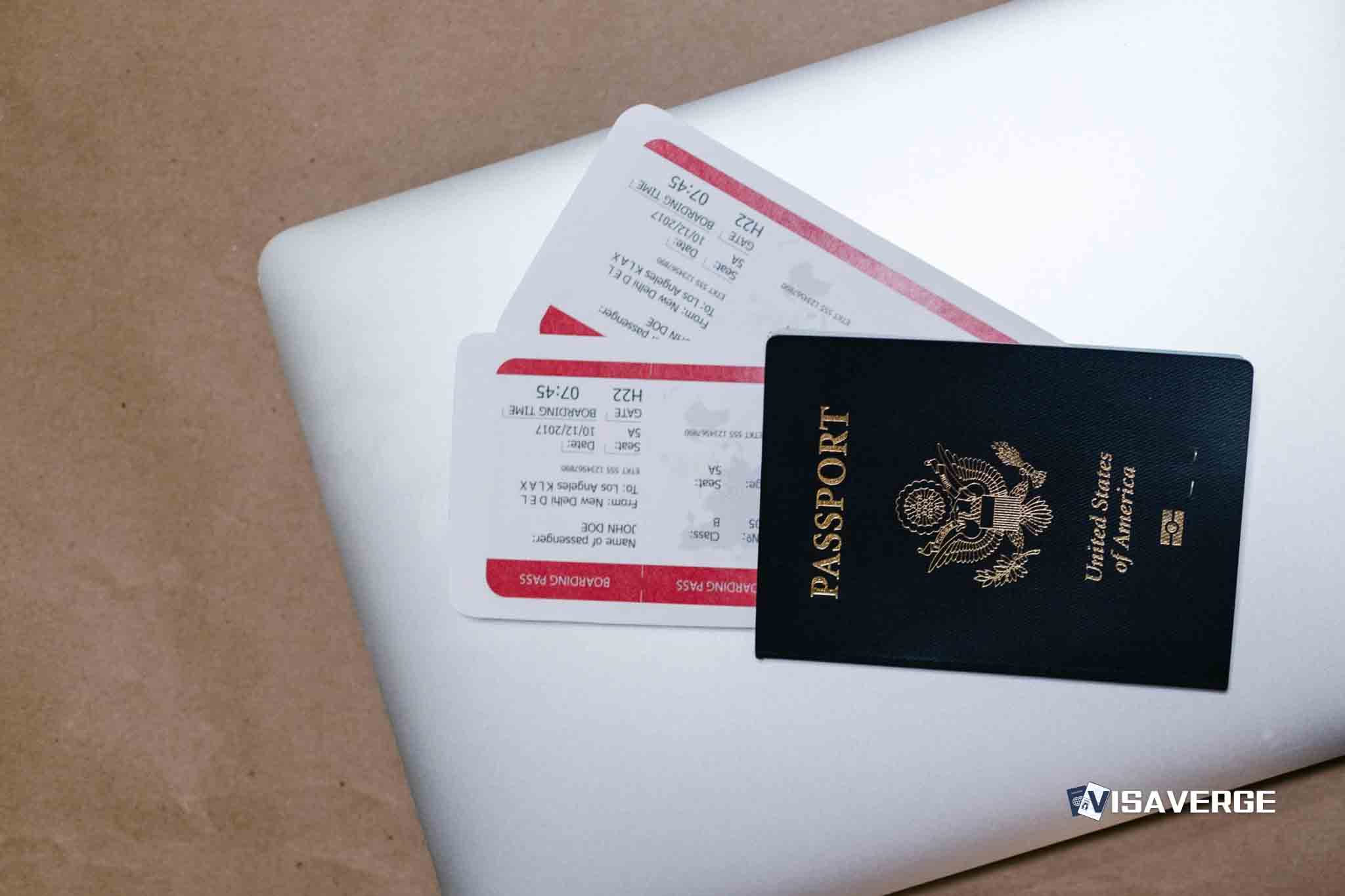
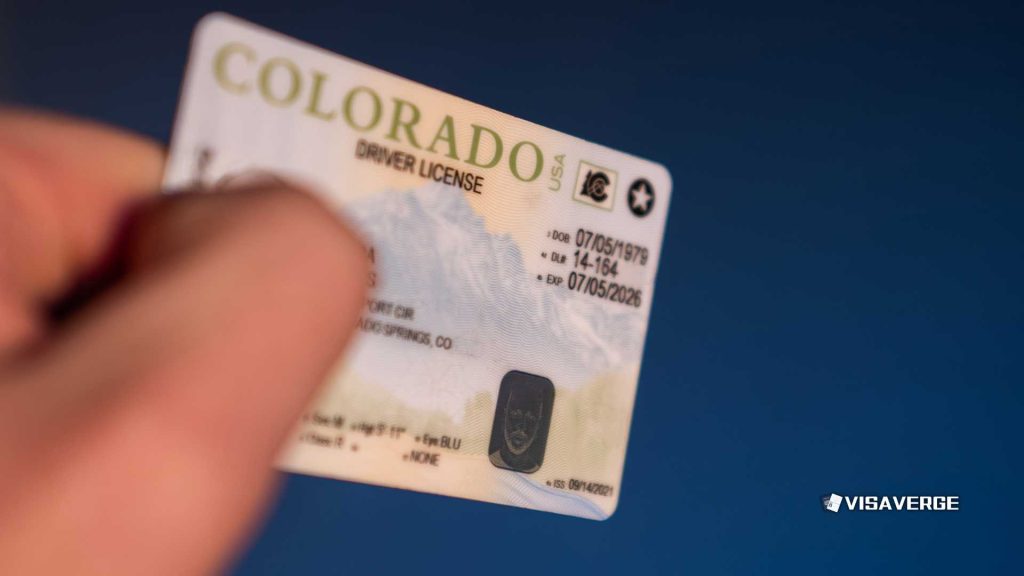
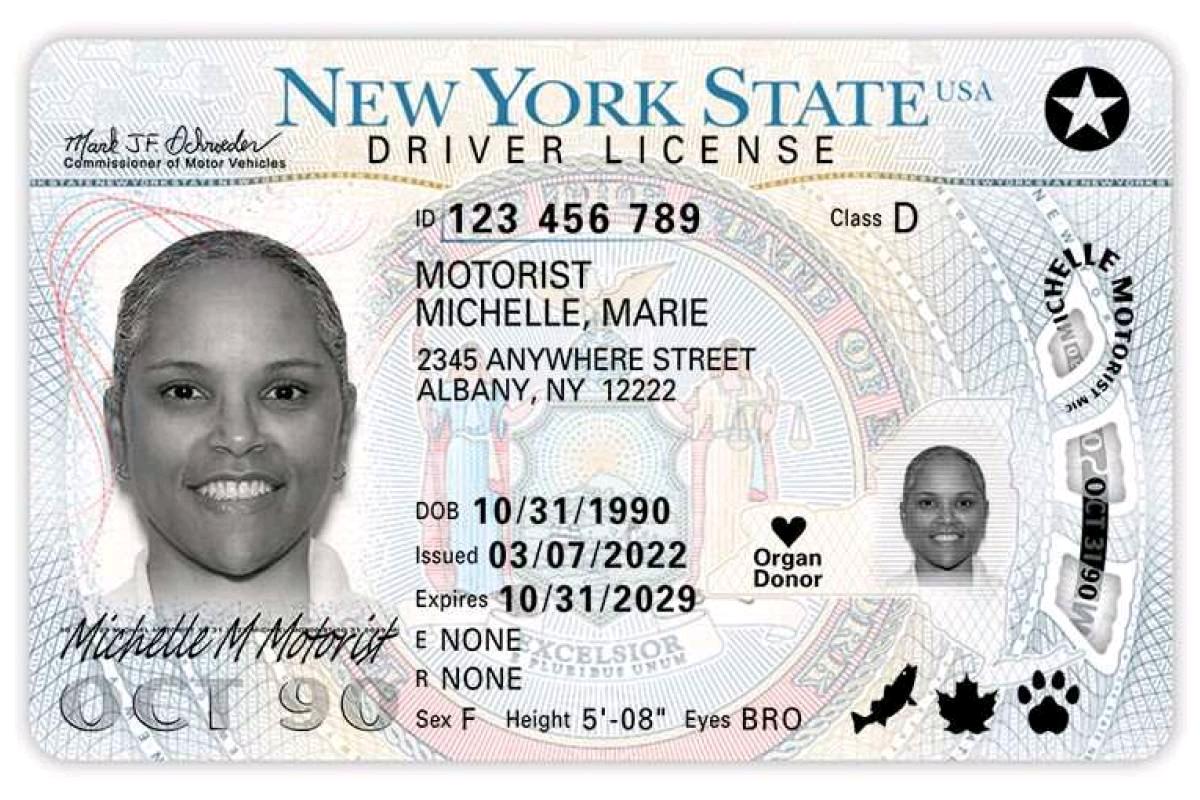
The airport rule applies to passengers 18 and older flying domestically to Puerto Rico. U.S. citizens and lawful permanent residents traveling from the mainland generally do not need passports, but they must show a federally accepted identity document. A REAL ID-compliant license is one option.

International passengers face a separate pre-departure requirement. Puerto Rico has no visa-on-arrival facility, so airlines can refuse boarding when a traveler lacks the required authorization or visa.
Puerto Rico is an unincorporated U.S. territory. Its immigration requirements therefore follow federal rules rather than a separate island system.
The document you need depends on how you enter Puerto Rico
| Traveler category | Required document or approval | Consequence of missing it |
|---|---|---|
| U.S. citizen flying from the mainland | REAL ID-compliant license, passport or another federally accepted ID | additional screening, delay or inability to board |
| Lawful permanent resident traveling domestically | Federally accepted identification | Identity-verification problems or delay |
| Visitor from a Visa Waiver Program country | Passport and approved ESTA | The airline may deny boarding |
| Visitor from a country outside that program | Passport and a U.S. B1/B2 visitor visa | The traveler cannot obtain a visa after arrival |
TSA says the domestic checkpoint requirement has applied since May 7, 2025. A valid passport can satisfy the identification requirement, even when the passenger is taking a domestic flight.
The agency estimated that approximately 6% of travelers, or roughly one in 17, still lacked compliant identification as of mid-2026. ConfirmID offers those passengers another identity-verification route, but the fee is non-reimbursable and clearance is not guaranteed.
Mariely Loperena Moure, TSA Federal Security Director for Puerto Rico and the U.S. Virgin Islands, urged passengers to upgrade their identification or prepare for extra screening in an official reminder dated April 24, 2025.
“I urge you to get your REAL ID! If you cannot obtain a REAL ID-compliant identification. you may face delays and the possibility of additional screening. We are committed to travelers, raising the standard of security nationwide.”
Foreign visitors must finish the U.S. entry process before boarding
Citizens of the 42 countries in the Visa Waiver Program may travel without a visitor visa for eligible trips, but they still need an approved ESTA, the Electronic System for Travel Authorization. Applicants should seek approval at least 72 hours before departure, and the authorization covers stays of up to 90 days.
A passport from an eligible country does not replace that approval. The airline checks the traveler’s documents before departure, not after arrival in San Juan.
Travelers from countries outside the waiver program must obtain a U.S. B1/B2 visitor visa before flying. The non-refundable application fee is $185. Puerto Rico does not provide an arrival-based visa process for passengers who skipped that step.
Those requirements come from the federal U.S. entry system. They are not separate Puerto Rican visa rules, and a domestic identification document cannot substitute for the immigration documents required from foreign visitors.
Federal screening measures add another layer at San Juan
Customs and Border Protection must collect facial biometric data from virtually all noncitizens at U.S. ports of entry under a federal Final Rule effective December 26, 2025. San Juan is included among those ports.
That measure applies to international arrivals. It does not turn a mainland flight by a U.S. citizen or lawful permanent resident into an international trip.
A Presidential Proclamation dated January 1, 2026, expanded entry restrictions to nationals from 39 countries. Nineteen countries face full visa suspensions under the proclamation.
Travelers affected by those restrictions must consider the proclamation in addition to ordinary visa or waiver eligibility. Having a passport, or even meeting the standard application rules, does not by itself override an entry suspension.
A mainland-bound flight also passes through an agricultural checkpoint
The U.S. Department of Agriculture’s Animal and Plant Health Inspection Service conducts mandatory agricultural inspections of all baggage departing Puerto Rico for the U.S. mainland.
That inspection is separate from the airport identity check and from immigration screening. A traveler may satisfy the document rules and still need to present baggage for agricultural examination before departure.
Officials have tied the enforcement to airport security
TSA Administrator David Pekoske said in a January 13, 2025, statement that passengers using driver’s licenses should verify their credentials before traveling.
"Identity verification is foundational to security. I urge those who use a driver’s license. to ensure these credentials are REAL ID-compliant."
Alejandro N. Mayorkas, then secretary of Homeland Security, discussed the enforcement extension in a December 6, 2022, statement.
"This extension [to May 2025] will give states needed time to ensure their residents can obtain a REAL ID-compliant license. We will continue to ensure that the American public can travel safely."
The enforcement has also drawn criticism outside government. In June 2025, the advocacy group LatinoJustice alleged that the Puerto Rican government shared a list of 6,000 people with non-compliant licenses with Immigration and Customs Enforcement. Roberto Cruz, managing attorney at LatinoJustice, called the alleged disclosure a “blatant betrayal of public trust.” That allegation concerns information sharing, not the federal requirement to present acceptable identification at the airport.
Passengers flying from the mainland should inspect their identification before leaving for the airport. Foreign visitors should obtain the required authorization or visa before departure, while travelers leaving Puerto Rico for the mainland should allow time for the USDA APHIS baggage inspection.