- Starting July fourth, twenty twenty-six, a REAL ID or passport is mandatory for all domestic flights.
- Non-compliant travelers face extra screening or must pay a forty-five dollar fee for identity verification.
- Alternative documents like Global Entry or Permanent Resident cards remain fully acceptable at security checkpoints.
(UNITED STATES) A standard driver’s license is no longer enough for domestic air travel in the United States. As of July 4, 2026, adults flying within the country need a REAL ID, another acceptable federal ID, or they face extra screening at TSA security checkpoints and possible denial of boarding.
The change follows full enforcement of the REAL ID Act, which began on May 7, 2025, after years of delays and state-by-state rollout problems.

The rule affects every traveler 18 and older. DHS said on May 7, 2025 that residents must present a REAL ID-compliant license or another acceptable document to board commercial aircraft.
Free toolREAL ID Requirements Checker toolTSA has spent the past year warning passengers that a standard state license is not enough on its own, even if it still works for driving, voting, or other state uses.
REAL ID Enters Full Enforcement
REAL ID was created after the 9/11 Commission recommended stronger federal standards for identity documents. The card is still issued by states, but it must meet federal security requirements.
A compliant license usually has a star in the upper right or upper left corner, sometimes gold and sometimes black. Standard licenses often include the phrase “Not for Federal Purposes”, which is the clearest sign that the card will not get a traveler through airport screening by itself.
The deadline matters because the rules now apply at the airport door, not just in theory. A traveler who shows up with only a non-compliant license can be sent to additional screening, turned away, or told to return with a different ID.
TSA reported in early 2026 that compliance rates reached 95% to 99%, but the remaining gap still leaves many passengers at risk of delays, missed flights, and extra costs.
How TSA ConfirmID Works
TSA introduced ConfirmID on February 1, 2026 as a fee-based backup for travelers who arrive without a REAL ID or another approved document. The program costs $45 and the fee is non-refundable.
TSA says the payment covers a 10-day travel period, not a single flight, and the process uses biometric verification and automated identity checks. TSA has said the screening can take 10 to 30 minutes at the checkpoint.
TSA’s Acting Executive Assistant Administrator for Security Operations, Steve Lorincz, said ConfirmID had been “a huge success” because of airline, airport, and industry cooperation. Adam Stahl, the senior official performing the duties of deputy administrator for TSA, said travelers who do not bring a REAL ID can pay $45 and use the ConfirmID process. He said the fee keeps taxpayers from covering the cost of processing travelers without acceptable IDs.
Other Documents That Still Work
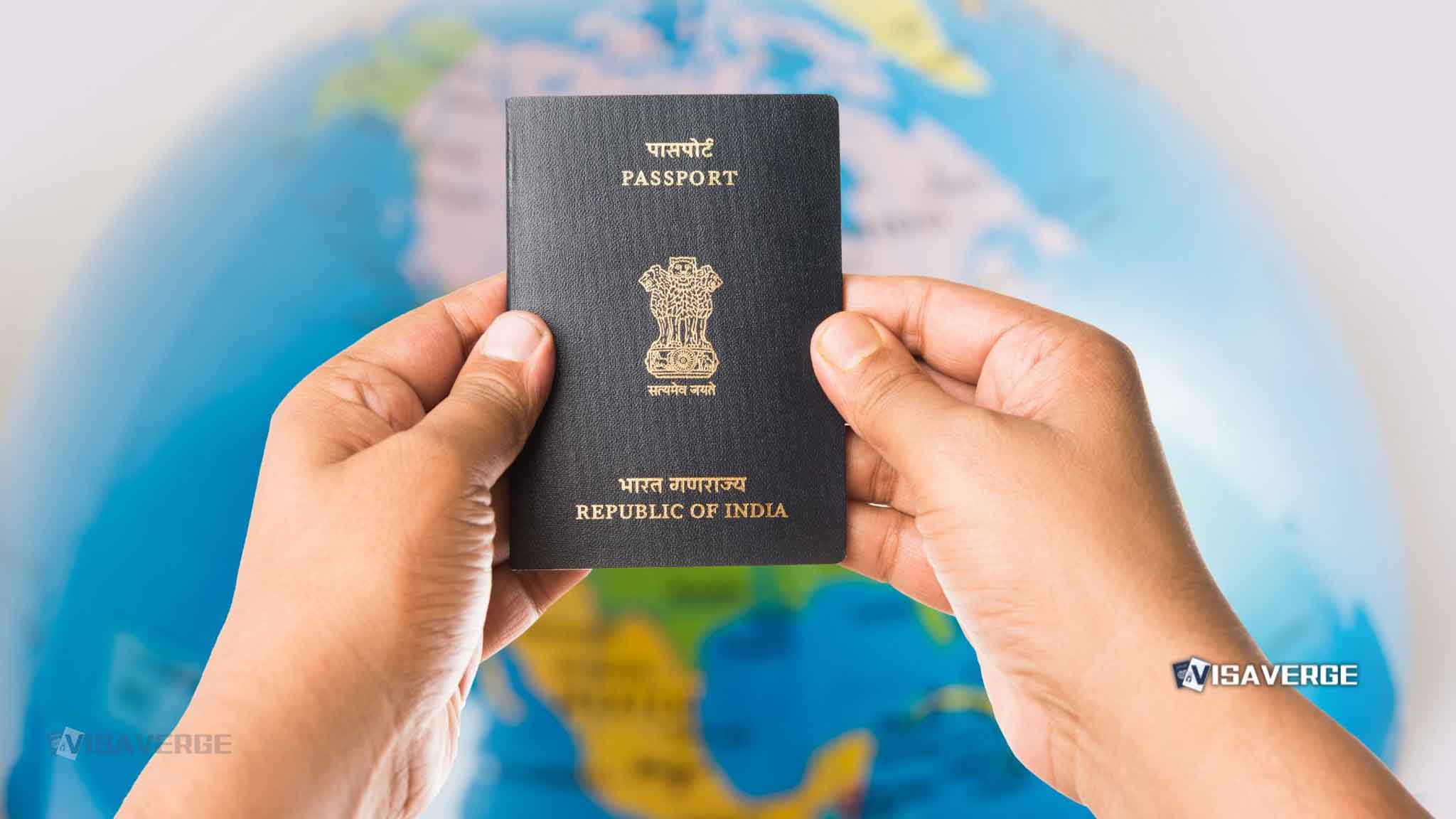
A traveler does not need a REAL ID if another accepted federal document is in hand. TSA’s approved list includes a U.S. passport or passport card, DHS Trusted Traveler Cards such as Global Entry, NEXUS, SENTRI, and FAST, a U.S. Department of Defense ID, a USCIS Employment Authorization Card (Form I-766), a Permanent Resident Card, and a state-issued Enhanced Driver’s License from Michigan, Minnesota, New York, Vermont, or Washington.
TSA posts the current identification list on its official screening page.
Those documents are not second-tier substitutes. They are full alternatives under federal airport rules. A passenger carrying one of them can clear TSA security checkpoints without needing ConfirmID or a state license with a star.
That distinction matters for frequent travelers, students, workers, and permanent residents who may not yet have a REAL ID license but do have other lawful documents that meet federal standards.
Non-U.S. Citizens Face Limited-Term Cards
Non-U.S. citizens with lawful temporary status can still qualify for a limited-term REAL ID. That group includes people with DACA, TPS, and valid work visas.
The expiration date usually matches the person’s authorized stay in the United States, so the card does not outlast the immigration status behind it. States issue these licenses after verifying the underlying federal documents, which means the card often needs renewal when immigration status changes or expires.
That detail has practical consequences at the airport and at the DMV. A person whose work authorization or stay is extended should not assume the old card remains valid for federal flight screening. State motor vehicle agencies handle the issuance, but the federal travel rule controls whether the license gets a traveler through airport security without another document.
The Travel Risk Is Concrete
The new system leaves little room for guesswork. A traveler who arrives with only a standard driver’s license now faces three outcomes: use another approved ID, pay $45 for ConfirmID, or risk missing the flight.
TSA has said the ConfirmID process is meant for those who did not bring a compliant document, not for travelers who want to skip the DMV indefinitely. According to analysis by VisaVerge.com, the combination of a hard deadline and a paid backup system has turned what used to be a warning into a routine checkpoint issue.
The cost is not just financial. Missed flights can disrupt work trips, family visits, school travel, and immigration appointments. Delays at airport screening also affect passengers who connect through crowded hubs, where a few extra minutes can cascade into missed connections. Once a line forms, the system slows for everyone behind it.
What Travel Looks Like Now
The simplest path remains the same one TSA and DHS have repeated for months: carry a REAL ID, a passport, or another accepted federal document before heading to the airport. The TSA REAL ID overview explains the federal standard and the purpose of the program.
Travelers who are not sure whether their card qualifies should check the star on the license or confirm whether the card is marked “Not for Federal Purposes.”
The federal rule does not change how states license drivers, but it does change what counts at TSA security checkpoints. That split is now central to domestic flying in the United States.
A state license can still prove you can drive. It cannot, by itself, prove you are cleared for a domestic flight unless it is REAL ID-compliant or paired with another approved federal document.