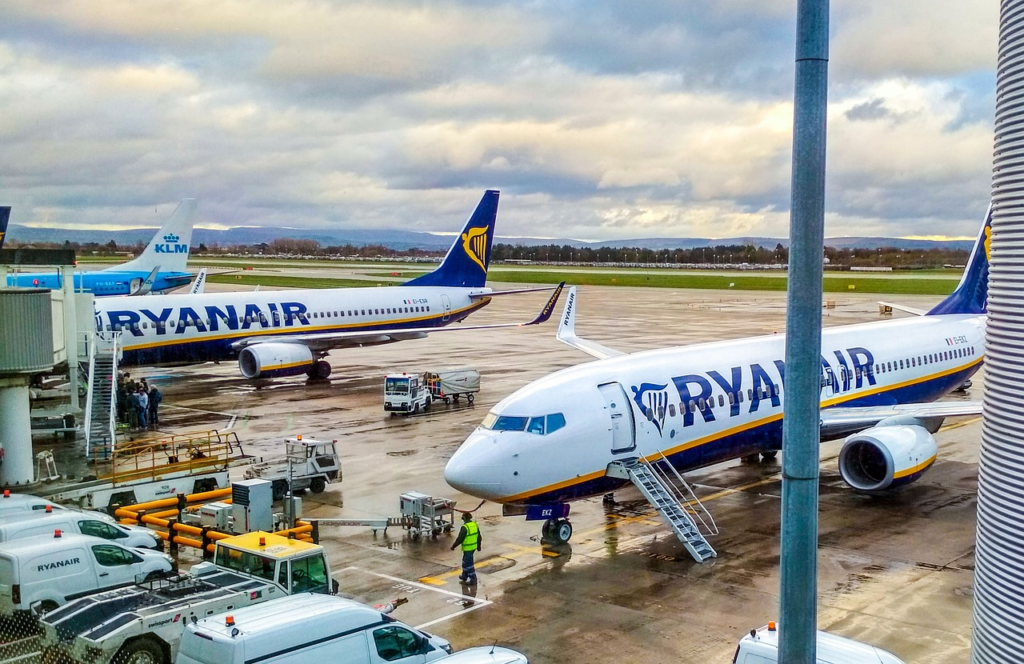
- Major Italian hubs face widespread airport disruptions due to multiple labor strikes scheduled for July 5, 2026.
- National 24-hour actions will impact ground handling and refueling at Rome, Milan, and Catania airports.
- Travelers should utilize protected flight windows between 7 AM to 10 AM and 6 PM to 9 PM.
(ROME, MILAN, ITALY) — Italy faces a widespread airport disruption on July 5, 2026, with strikes touching ground handling, security, and air traffic control at major hubs in Rome, Milan, and elsewhere. Travelers flying that day should expect delays, cancellations, and longer airport lines, especially at Rome Fiumicino, Rome Ciampino, and Milan Malpensa.
The labor actions overlap across several parts of the travel chain. That means problems can start before passengers reach the gate and continue after boarding, with baggage delays and last-minute aircraft changes also possible. Airlines are likely to protect their schedules during the day’s official flight windows, but disruption outside those periods remains a real risk.
Free toolB1/B2 Tourist Visa Stay Calculator online
CUB Trasporti has called a 24-hour national strike affecting airport-sector staff involved in ground handling, refueling, baggage management, and related services from 00:00 to 23:59. At the same time, ENAV air traffic control staff at Milan Malpensa and the Milan Area Control Centre are set for a separate 24-hour strike from 00:01 to 24:00.
A second ENAV stoppage is also listed at Malpensa from 13:00 to 17:00. In Rome, ADR Security staff at Fiumicino and Ciampino are scheduled to strike from 10:00 to 18:00. easyJet pilots and cabin crew are facing their own 24-hour strikes, adding airline-specific pressure on top of the airport-wide action.
Rome and Milan are the clearest trouble spots, but the impact is not limited to those cities. Catania Fontanarossa is also among the airports likely to feel the effects of the national airport-sector walkout, along with other Italian airports tied to the same labor action. That raises the odds of knock-on delays across domestic and short-haul European networks.
Italy’s civil aviation authority, ENAC, applies protected flight bands during strikes. Flights are normally expected to operate during 07:00 to 10:00 and 18:00 to 21:00. Outside those periods, cancellations and schedule changes become more likely, especially on routes that rely on ground staff, baggage crews, or air traffic control coverage.
Passengers on canceled flights are generally entitled to choose between a full refund or rebooking on the next available service to the destination. That applies whether the ticket was bought with cash or miles, although award tickets can also trigger separate loyalty-program rules on redeposit fees or change handling if the airline’s own policy does not waive them.
That matters most for travelers holding nonrefundable fares, tight connections, or summer vacation bookings through Rome and Milan. A disruption on July 5 can also affect mileage runners and status chasers, since involuntary cancellations usually preserve the original booking record while pushing the trip onto a later flight. Rebooking quickly can matter if award seats are limited on the alternative service.
| Time | Action | Area |
|---|---|---|
| 00:00 to 23:59 | National airport-sector strike | Ground handling, refueling, baggage |
| 00:01 to 24:00 | ENAV strike | Milan Malpensa and Milan Area Control Centre |
| 13:00 to 17:00 | Additional ENAV stoppage | Milan Malpensa |
| 10:00 to 18:00 | Security strike | Rome Fiumicino and Rome Ciampino |
| 07:00 to 10:00 and 18:00 to 21:00 | Protected flight windows | Flights normally operate |
Competition among airlines does not remove the strike risk, but it can shape your options. A carrier with multiple same-day frequencies has a better chance of rebooking stranded passengers quickly. Thin routes, low-frequency services, and point-to-point leisure flights are more exposed to disruption because there are fewer seats to move people onto.
Check your flight status before leaving for the airport, then check it again before security. If you are booked on a morning or evening flight, the protected windows offer the best odds of departure, but they do not guarantee an easy journey. Anyone flying through Italy on July 5, 2026 should keep a close eye on airline alerts and rebooking options through the day.