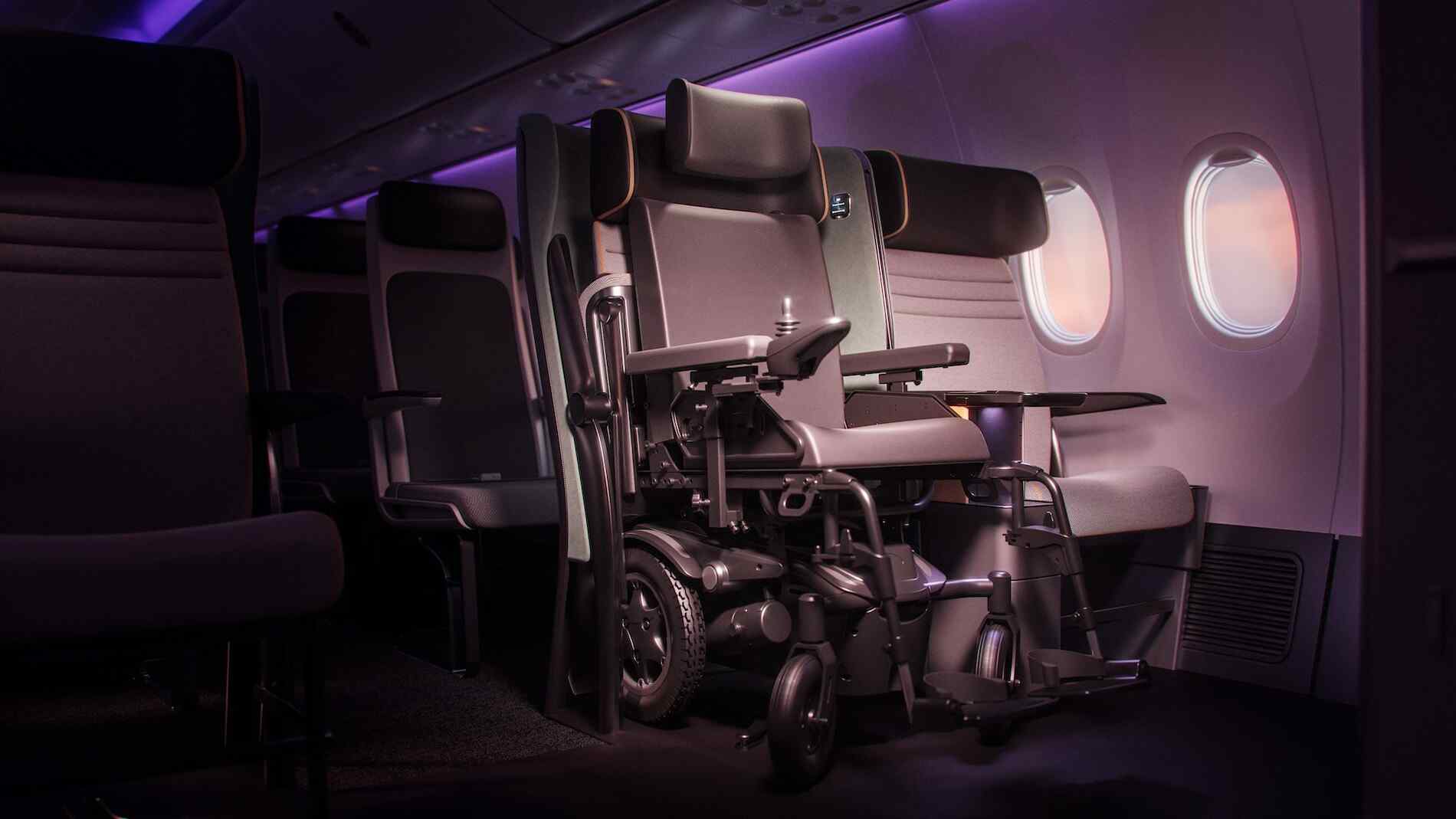
- Airlines must provide enhanced onboard wheelchair equipment on qualifying aircraft starting October second, twenty twenty-six.
- The Department of Transportation extended enforcement discretion for five specific passenger protections until April twenty twenty-seven.
- New single-aisle aircraft with over one hundred twenty-five seats must permit lavatory access using onboard wheelchairs.
The U.S. Department of Transportation has set October 2, 2026 as the compliance date for enhanced onboard wheelchair equipment on certain aircraft, while delaying enforcement of several related protections until April 30, 2027.
The deadline applies to any newly acquired or replacement onboard wheelchair used on aircraft with more than 60 passenger seats. Airlines and manufacturers must provide equipment with features designed to improve transfers and movement inside the cabin.
Free toolB1/B2 Tourist Visa Stay Calculator online
New single-aisle aircraft with at least 125 seats, delivered on or after the October date and equipped with lavatories, must carry an onboard wheelchair that can enter an accessible lavatory and allow its door to close. The chairs must also have lockable wheels and padded seats.
The agency has split the rollout into equipment requirements and enforcement discretion. That distinction will shape what passengers see on newer aircraft this fall.
The DOT’s 2024 final rule, “Ensuring Safe Accommodations for Air Travelers With Disabilities Using Wheelchairs,” includes the equipment provisions and a related Accessible Lavatory Rule. The package represents the broadest expansion of protections for passengers with disabilities in a generation, according to the department.
“Every passenger deserves safe, dignified travel when they fly—and we've taken unprecedented actions to hold airlines accountable when they do not provide fair treatment to passengers with disabilities. With the new protections we're announcing today, we're establishing a new standard for air travel.”
Transportation Secretary Pete Buttigieg issued that statement on December 18, 2024.
New aircraft must carry wheelchairs that can reach the lavatory
The October requirements focus on equipment entering service, rather than every onboard wheelchair already operating across the fleet. Newly acquired and replacement chairs on aircraft with more than 60 passenger seats must meet the enhanced standards.
The aircraft rule adds a separate threshold. A new single-aisle aircraft must have at least 125 seats, be delivered on or after October 2, 2026, and include a lavatory before the onboard wheelchair requirement applies.
| Aircraft or equipment | October requirement |
|---|---|
| Newly acquired or replacement onboard wheelchairs | Enhanced standards on aircraft with more than 60 passenger seats |
| New single-aisle aircraft | At least 125 seats, delivered on or after October 2, 2026, with a lavatory |
| Required wheelchair features | Lockable wheels, padded seats, and movement into an accessible lavatory so the door can close |
The rules address a recurring problem in air travel. DOT data show that approximately 1 in every 100 wheelchairs or scooters transported on domestic flights is damaged, delayed, or lost.
An estimated 5.5 million Americans use wheelchairs. The new equipment standards are intended to provide a more reliable way to support seating transfers and lavatory access during flights.
Penalties for several protections now wait until April 2027
On August 4, 2026, the department published a Federal Register notification extending enforcement discretion for four provisions of the wheelchair rule. The filing occurred on August 3, 2026.
The extension moves enforcement discretion from December 31, 2026, to April 30, 2027. The notice also adds the 12-month hands-on training requirement for flight attendants who assist with onboard wheelchairs and lavatory accessibility.
The Federal Register notice states:
"The U.S. Department of Transportation (DOT or Department) is extending its previously announced enforcement discretion for four provisions of the final rule on ‘Ensuring Safe Accommodations for Air Travelers With Disabilities Using Wheelchairs’ (Wheelchair Rule I). from December 31, 2026 to April 30, 2027. To maintain regulatory consistency, the Department is also expanding this enforcement discretion to include the 12-month hands-on training mandate for flight attendants regarding on-board wheelchair (OBW) assistance and lavatory accessibility."
The delayed provisions cover five practical areas:
- Airline liability standards for mishandled wheelchairs.
- The required frequency of refresher training for airline staff.
- Written pre-departure notices explaining passengers’ rights when they check a mobility device.
- Reimbursement of the fare difference when a passenger must book a more expensive flight because a wheelchair cannot fit on the preferred flight.
- Annual hands-on training for flight attendants on lavatory assistance and onboard wheelchair support.
The fifth item was originally scheduled to begin on October 2, 2026. The delay changes the enforcement timeline, not the October equipment milestone.
Initial hands-on training already reached its deadline
The department’s initial hands-on training requirement remains active. Staff who physically assist passengers reached that compliance deadline on June 17, 2026.
The later training provision concerns annual hands-on instruction for flight attendants. It covers assistance involving onboard wheelchairs and access to aircraft lavatories, and it is among the provisions now covered by enforcement discretion through April 30, 2027.
The two dates create different obligations for airlines. Equipment for qualifying new aircraft and replacement chairs remains tied to October, while enforcement of the listed liability, notice, reimbursement, refresher-training, and annual-training provisions receives additional time.
The DOT wheelchair rule summary outlines the department’s broader requirements. The August 4, 2026 Federal Register notice records the extension.
Airlines therefore face two dates rather than one. October 2 remains the equipment benchmark for qualifying aircraft and onboard wheelchairs, while April 30, 2027, is the extended enforcement date for the delayed protections.