- U.S. airlines must complete hands-on disability training for all staff and contractors by the June 17, 2026 deadline.
- The mandate focuses on safe wheelchair handling and passenger transfers to reduce frequent mobility device damage.
- While training is mandatory now, the DOT delayed liability and reimbursement rules until December 31, 2026.
(UNITED STATES) — Airlines face a June 17 deadline to train staff and contractors who handle passengers with disabilities and mobility devices, a requirement that affects boarding, transfers, and wheelchair handling on every U.S. carrier. Travelers who use wheelchairs or scooters should expect more formalized assistance standards after the Department of Transportation’s 2024 rule, “Ensuring Safe Accommodations for Air Travelers with Disabilities Using Wheelchairs.”
The deadline lands on June 15, 2026, two days before the first major compliance date. The Department of Transportation says airlines still must complete initial hands-on training by June 17, 2026, even as it prepares a follow-up proposal known as Wheelchair Rule II. That puts the focus on training now, not later.
Free toolREAL ID Requirements Checker tool
Robert Thomas, national president of Paralyzed Veterans of America, said airlines must treat June 17 as an obligation, not a formality. The group has pushed for stronger enforcement after years of complaints about damaged mobility devices and unsafe transfers. Secretary Sean P. Duffy has emphasized streamlining rules, but the DOT has kept the training deadline intact.
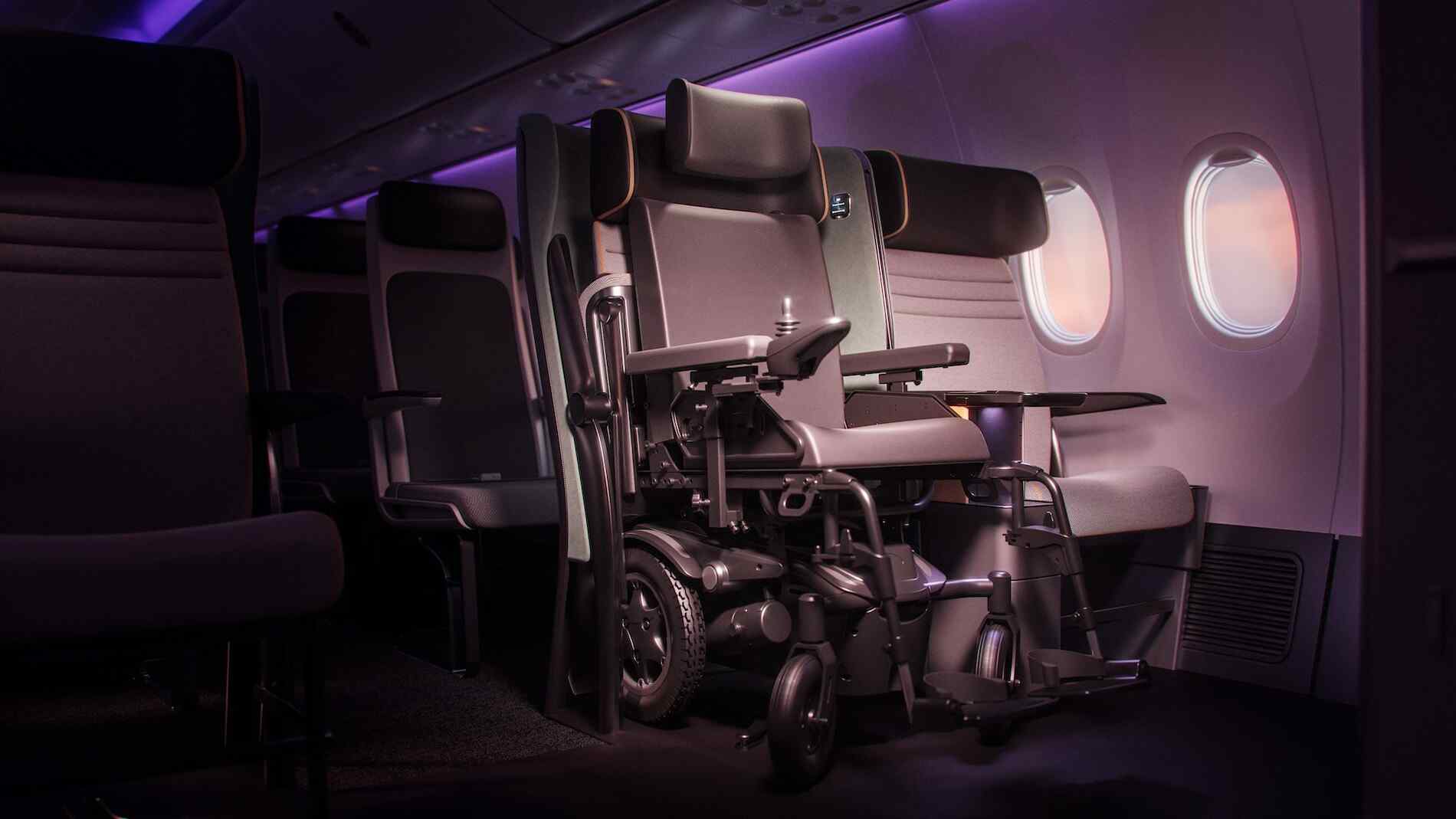
The new requirement is narrow in one sense and sweeping in another. It covers airline personnel and contractors who physically assist passengers with disabilities or handle wheelchairs and scooters. Staff must complete hands-on instruction in transfer techniques, aisle-chair use, device loading and unloading, passenger communication, and competency testing.
| Requirement | Before June 17, 2026 | After June 17, 2026 |
|---|---|---|
| Hands-on training | Not uniformly required under the new rule | Required for staff and contractors who assist passengers or handle mobility devices |
| Manual transfers | Training standards varied by carrier | Instruction must cover safe transfers and aisle-chair use |
| Mobility device handling | Carrier-specific practices | Training must address loading, securing, and unloading wheelchairs and scooters |
| Competency checks | Not universally standardized | Staff must pass assessments or certification exams |
The DOT also delayed four other parts of the rule under a Notice of Enforcement Discretion issued September 30, 2025. Those provisions now stay on hold until December 31, 2026, while the agency works through Wheelchair Rule II. The delayed items cover new liability standards, the frequency of refresher training, pre-departure notification rules, and fare-difference reimbursements.
That split matters at the gate and on the ramp. Airlines cannot wait for the second round of rulemaking before training staff on the first round of obligations. The agency has drawn a line between required instruction and delayed administrative changes.
The timing matters against a backdrop of persistent damage reports. In 2025, U.S. airlines mishandled 9,910 wheelchairs and scooters, according to federal data. The DOT says air travel remains one of the hardest settings for the 5.5 million Americans who use wheelchairs.
The Air Carrier Access Act already bars discrimination in air travel, but the new rule makes the consequence more explicit. Damaging or delaying a wheelchair is treated as an automatic violation. That leaves less room for airlines to treat mobility-device problems as ordinary baggage issues.
| Delayed Item | Original Status | Current Deadline |
|---|---|---|
| New liability standards | Part of Wheelchair Rule II | December 31, 2026 |
| Refresher training frequency | Part of Wheelchair Rule II | December 31, 2026 |
| Pre-departure notifications | Part of Wheelchair Rule II | December 31, 2026 |
| Fare difference reimbursements | Part of Wheelchair Rule II | December 31, 2026 |
The benefits are practical as well as legal. Better training reduces the chance of injuries during manual transfers. It also lowers the odds that a power chair arrives damaged, which can leave a traveler stranded and dependent on airport help after landing.
The immigration connection is separate. DHS and USCIS run their own disability accommodation policies for naturalization interviews, oath ceremonies, and other services. USCIS says reasonable accommodations can include sign language interpreters and extra time for testing, but those rules do not affect the DOT airline deadline.
Airlines that miss the June 17 training date risk entering summer travel with a compliance gap during one of the busiest periods of the year. Passengers who rely on wheelchairs or scooters should document pre-flight requests, keep serial numbers and photos of devices, and report problems immediately if equipment is delayed or damaged. Official DOT updates appear at transportation.gov/airconsumer/latest-news, and the final rule text sits at federalregister.gov under docket 2024-28825. USCIS accommodation rules are posted at uscis.gov/about-us/disability-accommodations-for-the-public.