What You Need To Know:
- Major US airlines are suing the DOT over a rule requiring them to disclose all fees upfront, including for baggage and flight changes.
- The airlines claim the rule will confuse customers and exceed the DOT’s authority, while the DOT argues it will protect consumers from hidden fees and save them money.
- This lawsuit highlights the ongoing debate over transparency and consumer protection in the airline industry.
The skies are buzzing with a new battleground: a legal clash between major US airlines and the Biden administration over a rule requiring upfront disclosure of all airline fees. This conflict, while seemingly centered on a technical issue of transparency, is a revealing battle over consumer protection, industry practices, and the role of government regulation.
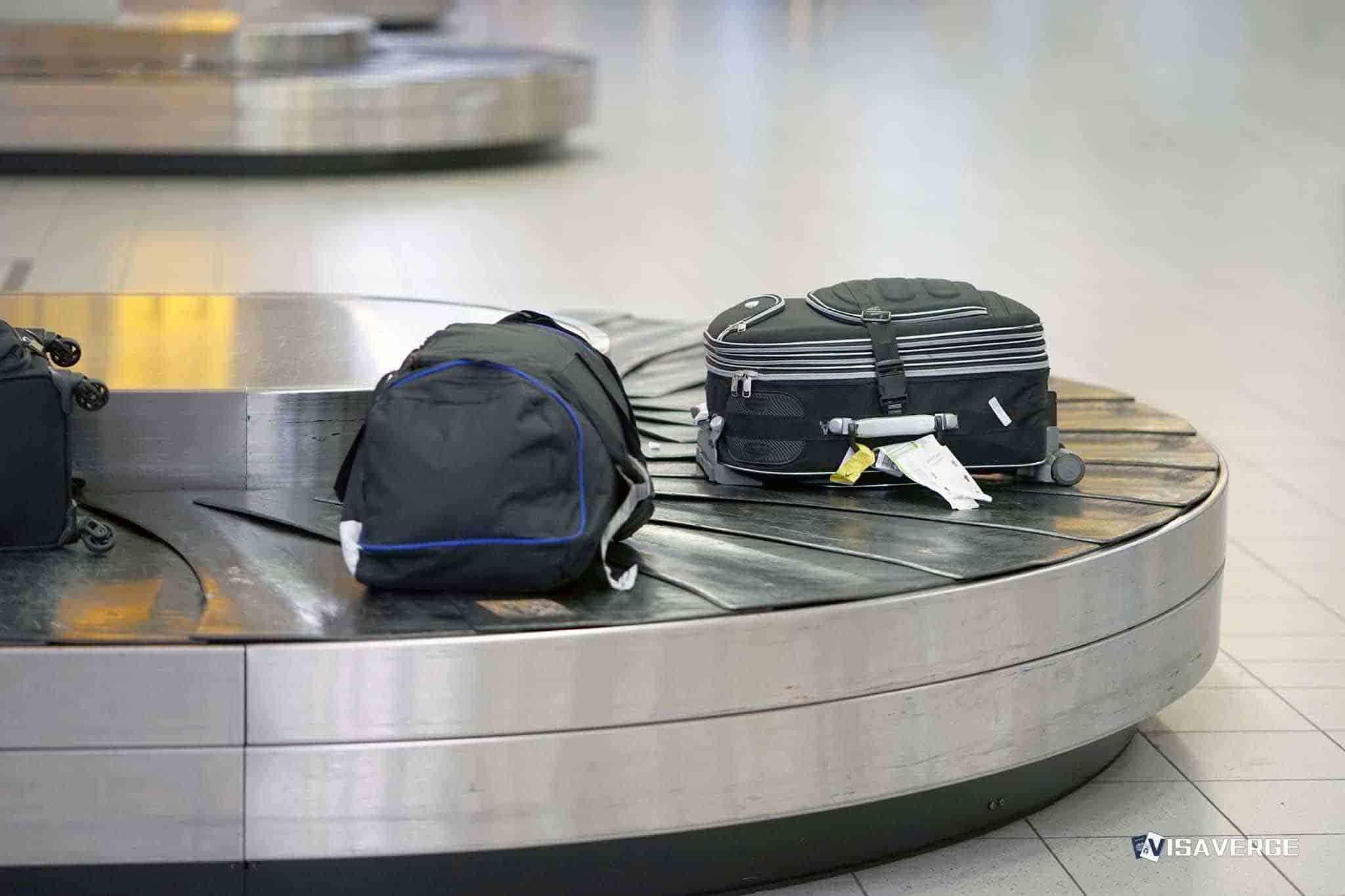
The Department of Transportation (DOT), in an effort to protect consumers from “hidden junk fees,” finalized a rule mandating airlines to clearly disclose all fees – including those for checked bags, carry-on luggage, and changes or cancellations – alongside the base fare on their websites. This rule, set to take effect in October, is designed to prevent consumers from being surprised by additional costs after booking their flights.
However, major airlines, represented by Airlines for America (A4A) and six major carriers (Alaska, American, Delta, Hawaiian, JetBlue, and United), are taking legal action against the rule, arguing that it goes too far and will only confuse customers. They claim that they already provide full disclosure of fees before ticket purchase and that the new rule is an unnecessary intrusion into their operations.
The airlines, in their lawsuit filed in the US Fifth Circuit Court of Appeals, claim the DOT’s rule is “arbitrary, capricious, an abuse of discretion” and exceeds its regulatory authority. They argue that the rule will create unnecessary complexity and burden for both airlines and customers.
“The ancillary fee rule by the Department of Transportation will greatly confuse consumers who will be inundated with information that will only serve to complicate the buying process,” stated A4A in a statement. “DOT’s attempt to regulate private business operations in a thriving marketplace is beyond its authority.”
The DOT, however, remains resolute in its stance. It insists that the new rule is essential for promoting fairness and transparency in the airline industry, arguing that many consumers are unaware of the full cost of their flights until after they book, leading to surprise costs and inflated overall spending.
“We will vigorously defend our rule protecting people from hidden junk fees and ensuring travelers can see the full price of a flight before they purchase a ticket,” said DOT spokesperson Sean Manning.
The agency estimates that the new rule will save consumers over half a billion dollars annually by allowing them to make informed choices about which airlines and travel options best fit their budgets. Transportation Secretary Pete Buttigieg further emphasizes the importance of consumer autonomy: “Healthy competition requires that as a consumer you can comparison shop, which means knowing the real price of a trip before and not after you buy.”
The conflict between the airlines and the DOT mirrors a broader debate over consumer protection and industry practices. The airlines argue that their existing methods for disclosing fees are sufficient, while the DOT asserts that increased transparency is crucial for informed consumer decision-making.
This legal battle is likely to be a long and contentious one, with both sides presenting compelling arguments. The outcome will have a significant impact on the future of airline pricing practices and the level of transparency consumers can expect. While the legal proceedings unfold, one thing is clear: the sky is no longer the limit when it comes to consumer protection and the fight for fairness in air travel.
Beyond the Headlines: Examining the Nuances

While the headline-grabbing legal battle may seem like a simple fight over fees, a deeper analysis reveals a complex landscape of interests, motivations, and potential consequences.
- More Than Just Money: The debate is not just about the dollar amount of fees. It touches upon the fundamental principles of transparency, informed consumer choice, and the balance between industry interests and consumer protection.
- A Shifting Power Dynamic: The airline industry has historically wielded considerable influence, but consumer advocacy groups and regulatory bodies are increasingly challenging their practices. This case reflects a shift in power dynamics, with consumers demanding greater accountability.
- A Broader Trend: This lawsuit is not an isolated incident. It reflects a wider push toward greater transparency and consumer protection in various sectors, including banking, telecommunications, and healthcare.
- The Future of Airline Pricing: The outcome of this case could significantly shape how airlines price their services, potentially leading to greater clarity in pricing structures and a more informed consumer experience.
The legal battle over fee disclosure is a significant development in the fight for consumer rights in the airline industry. It underscores the importance of transparency and the need for a level playing field where consumers can make informed decisions about their travel. As this legal battle unfolds, the outcome will have implications that reach far beyond the confines of this particular case, shaping the future of air travel for consumers and airlines alike.
The outcome will shape how airlines price their services and impact the level of transparency consumers can expect in the future.