- The Department of Transportation will reclassify ten airline disruptions on October 19, 2026.
- Uncontrollable delays may no longer trigger meal vouchers or hotel rooms under carrier policies.
- Airlines still control assistance decisions, but only if their policies treat the delay as controllable.
The Department of Transportation finalized a rule that will move 10 types of airline disruptions outside the carrier-controlled category on October 19, 2026. The change could affect whether passengers receive food, lodging or transportation after a long delay.
The new classification covers events airlines generally describe as outside their control. Passengers facing those uncontrollable delays may no longer receive meal vouchers, hotel rooms or ground transportation under the carrier’s customer-service commitments.
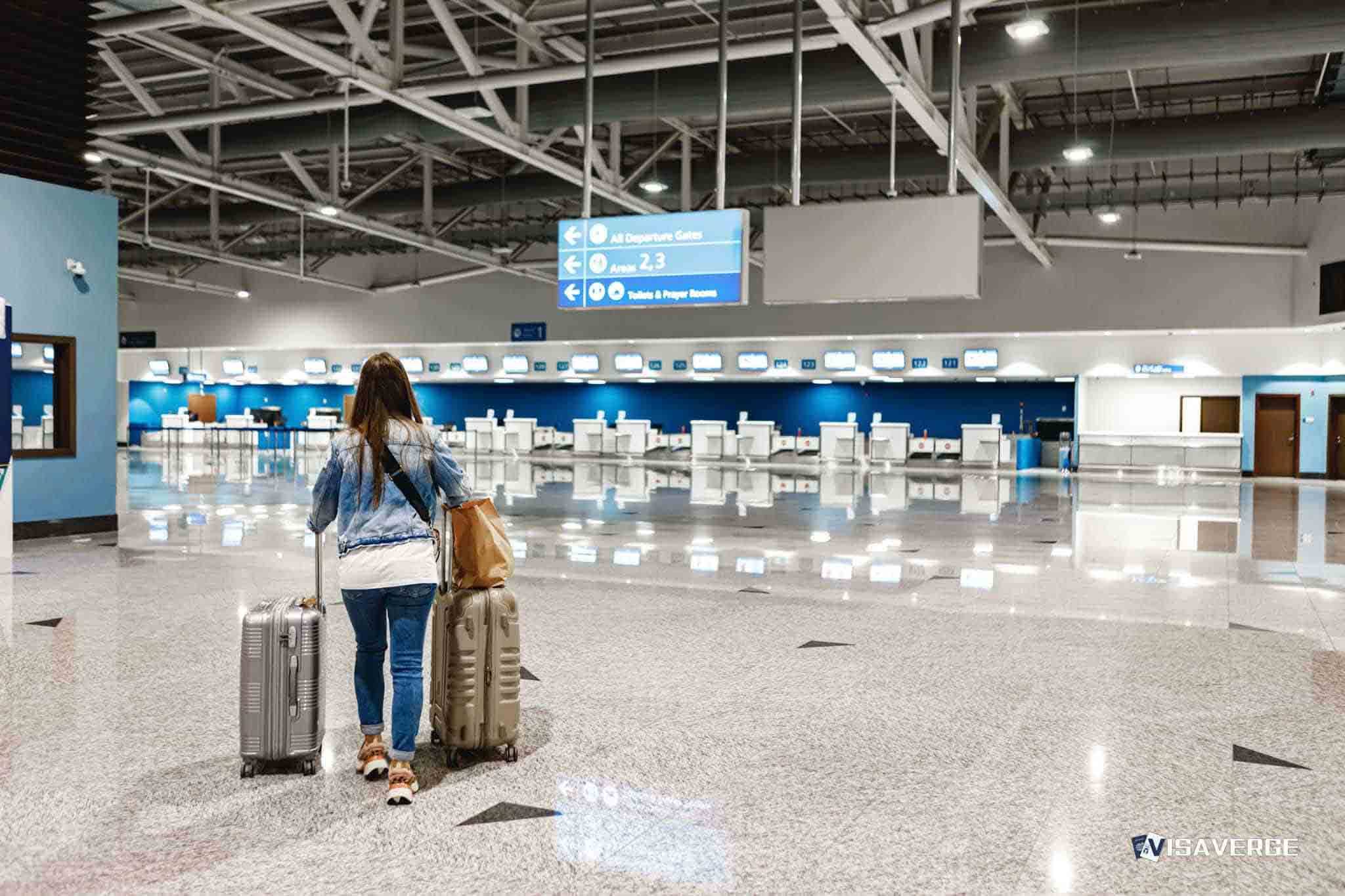
The rule does not create a universal passenger payment. Instead, it changes the category airlines use for reporting and for applying voluntary assistance plans.
Airline promises remain central. A carrier may offer more than the federal baseline, but those commitments depend on its own policy and on how it classifies the disruption.
The change follows a congressional directive. Section 511(b) of the FAA Reauthorization Act of 2024 instructed the agency to establish a reporting category for the 10 event types.
The rule describes the change this way:
“mandates that ten specific types of events be excluded from the ‘Air Carrier’ causal reporting code.”
That language focuses on the reporting code, but the classification can also affect whether a carrier’s customer-service plan applies. A delay that falls outside the airline-controlled category may no longer trigger assistance promised for controllable disruptions.
The new category covers 10 specific disruptions
The rule excludes these causes from the airline-controlled category:
- Aircraft cleaning required because a passenger died.
- Aircraft damage caused by extreme weather, foreign objects or sabotage.
- A baggage-system outage outside the control of the airline or its contractor.
- A cyberattack, provided the airline complied with applicable regulations.
- An unexpected government-system shutdown or failure affecting safe flight.
- Overheated brakes resulting from a safety incident involving emergency procedures.
- Certain unscheduled maintenance that cannot be deferred.
- A medical emergency occurring through no fault of the airline.
- Removal of an unruly passenger.
- An airport closure caused by volcanic ash, wind or wind shear.
The list includes both safety-related events and disruptions caused by conditions at the airport or outside the carrier’s operation. The cyberattack provision also contains a compliance condition for the airline.
Airline policies still decide what passengers receive
The United States has no broad federal law guaranteeing every passenger meals, hotel accommodations or cash compensation for any flight delay. Airlines instead rely heavily on customer-service plans, which can provide more assistance than the minimum required by federal rules.
Southwest’s policy illustrates how that system works. For a delay of three hours or more that the carrier determines is within its control, Southwest says it will provide meals if requested. It may also arrange lodging or reimburse reasonable lodging costs.
The carrier draws a separate line for disruptions outside its control. Southwest says it does not offer complimentary lodging accommodations when a significant delay or cancellation falls into that category.
Major U.S. airlines also often promise food assistance for delays lasting more than three hours and hotel accommodations for controllable overnight disruptions. Those promises are airline-specific, not a federal guarantee.
| Timing | Classification | Potential effect on assistance |
|---|---|---|
| Before October 19, 2026 | Customer-service plans continue to apply to delays classified as controllable | Meals, lodging and transportation may be available under the carrier’s policy |
| On and after October 19, 2026 | The 10 listed event types can be excluded from the airline-controlled category | The carrier may not provide assistance tied to controllable delays |
The rule changes the classification, not every airline’s entire customer-service policy. A carrier could still choose to help passengers during an excluded disruption, but the usual controllable-delay trigger may no longer apply.
That distinction leaves travelers with a practical question at the airport: what caused the delay, and what does the operating airline promise for that cause? A weather-related closure, a medical emergency or a non-deferrable maintenance issue could now be handled differently from a delay the airline accepts as within its control.
The effective date is October 19, 2026. Until then, airlines’ existing customer-service plans for controllable delays remain the relevant terms, while Southwest’s current policy continues to tie meals and lodging to disruptions it determines are within its control.