- IATA wants the EU to keep the EES partial suspension option through the winter travel season.
- The emergency fallback expires on 6 September 2026 unless Brussels extends it.
- Nine countries asked Brussels to preserve the mechanism as queues, delays, and missed connections continue.
IATA is asking the European Union to keep its EES partial suspension option available through the winter travel season, warning that removing the emergency measure could worsen queues and disrupt flights. The fallback is due to expire on 6 September.
The International Air Transport Association says the flexibility acts as a temporary safety valve while Europe’s new biometric border system continues to operate unevenly. It wants authorities to retain the option if airports and border posts cannot process travelers reliably.
Thomas Reynaert, IATA’s Senior Vice President for External Affairs, called for the extension through the end of winter.
“Extending the possibility of partial suspension beyond 6 September is absolutely necessary until the end of the winter season.”
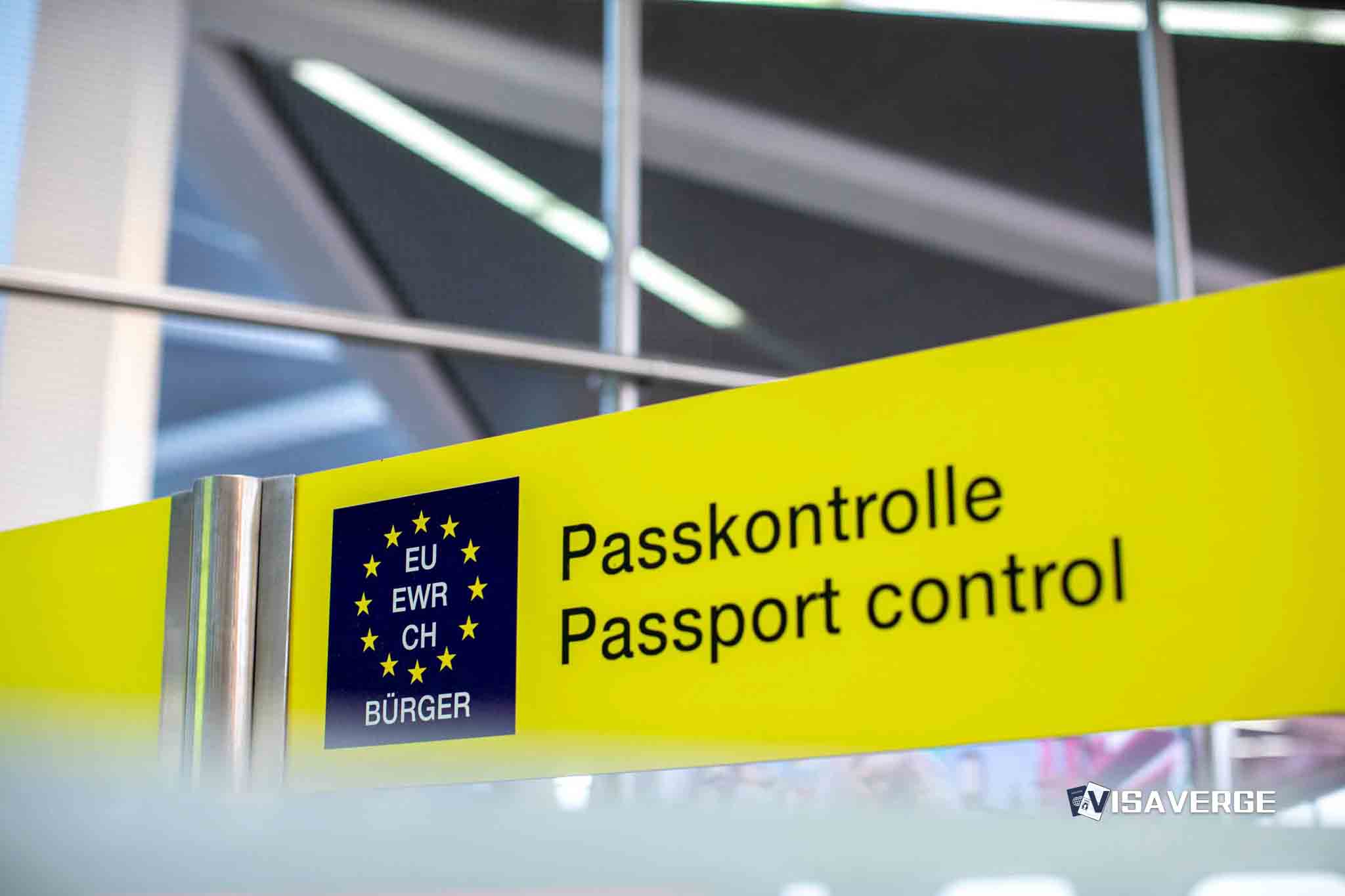
The dispute concerns the European Union’s Entry/Exit System, or EES. The system records fingerprints and facial images from non-EU travelers entering the Schengen area.
Under temporary rules, border authorities can pause biometric registration in exceptional circumstances to prevent excessive queues. Those rules expire Sunday, 6 September 2026.
IATA says four operating pieces must be ready before the fallback disappears
IATA says the system should not lose that emergency option until several parts of the rollout work consistently across member states. The group points to adequate staffing and stable, reliable EES hardware and software.
It also wants fully operational self-service kiosks and automated border-control gates. Wider deployment of pre-registration tools would move some processing away from crowded border-control areas.
The association is calling for continued investment in technology, infrastructure and staffing. It also wants closer coordination among member states, the European Commission and the aviation industry.
The group is not asking the EU to abandon or delay EES. It wants border agencies to keep a controlled way to reduce biometric processing when congestion becomes severe.
Nine countries have already asked Brussels to preserve the mechanism
Belgium, France, Germany, Greece, Italy, Malta, the Netherlands, Portugal and Switzerland made a similar request in a July letter. They urged European Commissioner for Internal Affairs Magnus Brunner to keep the partial-suspension mechanism available beyond the deadline.
The appeal comes as passenger volumes rise during the autumn and winter period. IATA says eliminating the safeguard too soon could produce longer queues, missed connections and wider disruption across airline networks.
At an IATA EU media briefing in Brussels on Thursday, 3 September, Reynaert said the industry supports the system itself but questions whether Europe can remove its emergency protection now.
“The question here is not whether EES should happen. We’re fully supportive of EES. But whether Europe is actually ready, as we speak, in the next couple of days to remove the safety valve.”
Airports have nevertheless recorded operational strain during the rollout. Delays at some airports reached 90 minutes, while Fraport said passengers missed connections at Frankfurt when border checks backed up.
The pressure can spread quickly. A queue at passport control can delay a connection, disrupt aircraft rotations and leave travelers waiting for rebooking.
IATA’s request would not suspend EES across Europe. It would preserve a limited emergency override for individual border operations when processing volumes become unmanageable.
The association wants that authority to last until the end of the winter season, rather than remain permanently. Its position is that the system can continue expanding while agencies use the fallback to prevent travelers from being stranded in severe congestion.
The decision will determine whether border authorities lose that release valve as the busy travel period begins. IATA says staffing, equipment, automated gates and pre-registration must be dependable before the option expires.