- Google won a bankruptcy auction to acquire Spirit Airlines’ internal data for ten million dollars for AI training.
- The dataset contains five hundred million messages and thirty million lines of code, excluding personal customer information.
- A federal judge must approve the sale on August nineteen, twenty twenty-six, following strict de-identification protocols.
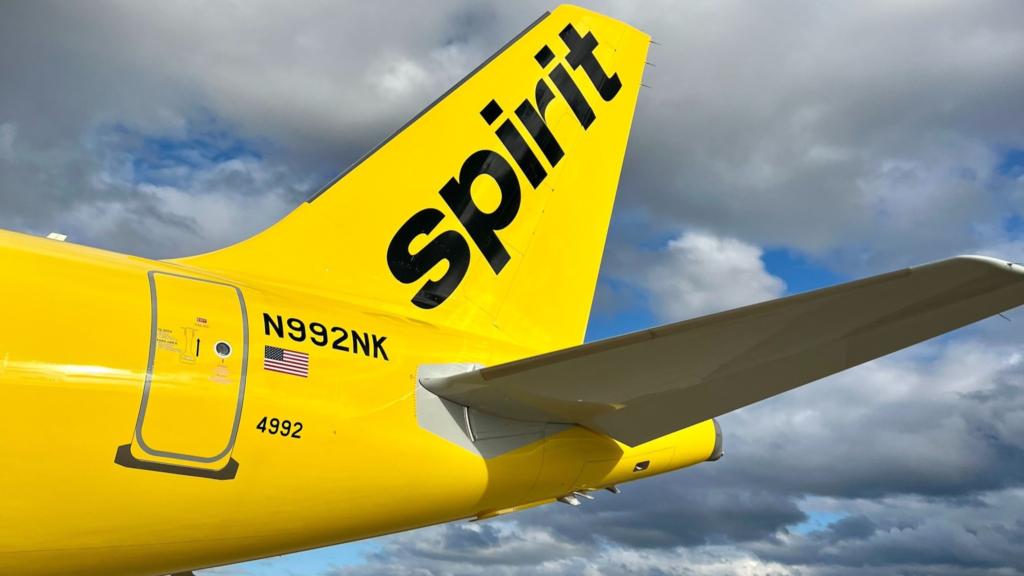
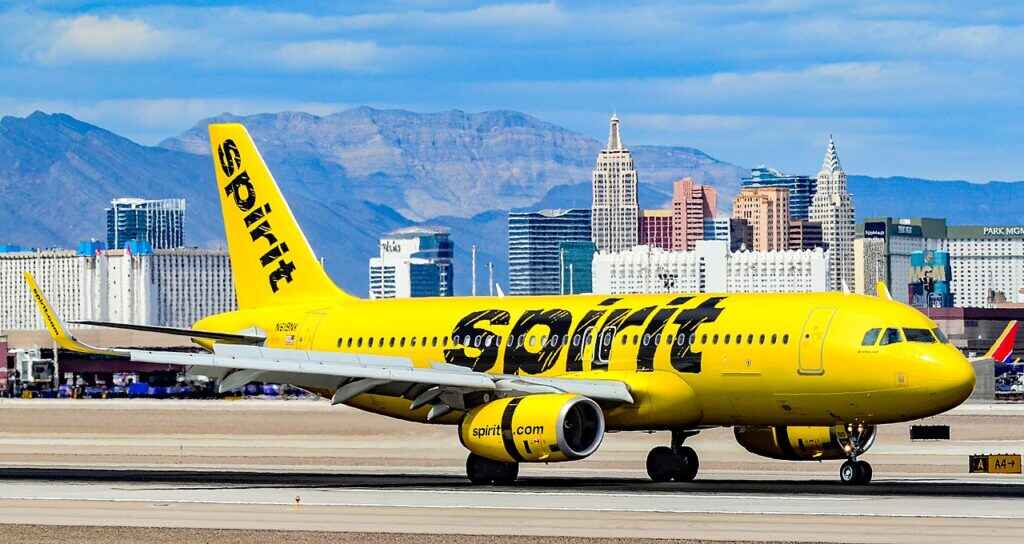
Google LLC won a bankruptcy auction for Spirit Airlines’ internal business data, offering $10 million for records and custom software that could help train artificial intelligence systems. Judge Sean H. Lane must still approve the sale at a hearing set for August 19, 2026.
The package includes corporate emails, Microsoft Teams messages, spreadsheets, calendars, financial records, operating data and source code. Google said it is not buying customer or credit card information.
Free toolB1/B2 Tourist Visa Stay Calculator online
“We acquired part of an enterprise dataset from Spirit Airlines, which can be helpful in improving our products and AI models. We will not receive any personal information from this dataset. Any data we receive will be rigorously scrubbed of any personally identifiable information by a third party before receipt.”
A third party paid and designated by Google must de-identify the material before delivery. The agreement also bars Google from intentionally connecting the records to a person or household.
The transaction still faces review by the U.S. Bankruptcy Court for the Southern District of New York. The hearing is scheduled for Wednesday, August 19, 2026, at 11:00 a.m. EDT.
Mercor.io Corp. placed the backup bid at $7.5 million. Its spokesperson described the auction as part of a broader market for records showing how companies actually work.
The auction covers decades of records, not a passenger database
The winning package contains about 100 million internal emails and 500 million Microsoft Teams chats. It also includes 17.1 million OneDrive files and 20.6 million SharePoint files.
The software component is large. It contains 516 source code repositories and about 30 million lines of code, along with commit histories and bug reports.
Other records reach back decades. The dataset includes pricing information for 7.2 billion competitor flights and 7.5 billion passenger transaction records dating to 2008. It also contains records involving more than 175,000 employees dating to 1986.
Those figures describe business and transaction records, not the direct customer files excluded from the sale. The exclusions cover 97.5 million passenger profiles, 50.2 million Free Spirit loyalty program records and 740,000 co-branded credit card holder files.
The agreement requires de-identification under California Consumer Privacy Act standards while preserving “referential integrity.” That allows links between related anonymized records to remain intact without retaining a person’s name.
Google gets patterns from the airline’s operations
The value for Google lies in the scale and practical detail of the records. The material captures decisions, workflows, software changes, pricing activity and internal coordination that are not publicly available online.
Edwin Miranda of Konsultora said the data offers a “massive record of how a large organization actually operates.” Those records could provide examples for AI agents handling project management, customer service and technical problem-solving.
The purchase therefore extends beyond documents. It gives Google access to linked examples of how a large enterprise made plans, handled problems and changed systems over time.
Mercor’s spokesperson said:
“Companies are sitting on decades of records that show how real work gets done, and that data is now some of the most valuable material for training and evaluating AI. Spirit was that same process applied to a bankruptcy estate.”
The sale turns those records into an asset for creditors to monetize after the airline’s collapse.
The airline’s shutdown created the asset sale
Spirit filed for Chapter 11 protection twice in less than a year, in November 2024 and August 2025. The company later moved to sell assets through bankruptcy proceedings.
It ceased all flight operations at 3:00 a.m. ET on May 2, 2026, ending 34 years of service. Approximately 17,000 employees and contractors lost their jobs when the carrier folded.
Dave Davis, Spirit’s chief executive officer, had previously described the company’s financing problem this way:
“Sustaining the business required hundreds of millions of additional dollars of liquidity that Spirit simply does not have and could not procure.”
A restructuring effort failed after jet fuel prices rose sharply amid geopolitical conflict involving the United States and Iran. A proposed $500 million government rescue package also collapsed.
The data is one part of the remaining estate. JetBlue Airways separately won Spirit’s LaGuardia Airport slots for $58.5 million.
The court will decide whether Google receives the records
Lane will preside over the approval hearing. Spirit is represented by Marshall S. Huebner and Darren S. Klein of Davis Polk & Wardwell LLP.
Google’s legal team includes Sean O’Neal and Glenn McGrory of Cleary Gottlieb Steen & Hamilton LLP. The court’s decision will determine whether the auction result becomes a completed sale.
The proposed safeguards divide the privacy process into several steps:
- A third party receives and reviews the data before Google does.
- The reviewer removes personally identifiable information.
- The reviewer certifies de-identification under California privacy standards.
- Google keeps the material de-identified and cannot intentionally tie it to a person or household.
- Related anonymized records can retain their connections through “referential integrity.”
The protections do not remove every commercial detail. Anonymous pricing, booking curves and trip records remain part of the package, even though the named passenger profiles and loyalty files do not.
Spirit’s former records could become training material
Google’s purchase price exceeded Mercor.io’s offer by $2.5 million. The bid reflects a market for large enterprise datasets that contain operational history alongside software and communications.
The records may show how employees coordinated work, how systems were maintained and how the airline managed pricing and transactions. They also include technical material that can help model software development and troubleshooting.
The court filing places the sale inside a wider breakup of the failed carrier. As other buyers pursue airport assets, Google is seeking the company’s accumulated digital record.
The approval hearing is set for August 19, 2026, when Lane will consider whether the $10 million transaction can proceed under the proposed de-identification requirements.