- The FAA tentatively approved JetBlue’s purchase of 22 LaGuardia slots from Spirit Airlines for $58.5 million.
- The transfer could raise JetBlue’s LaGuardia authorizations from 31 to 53 and add up to 10 to 12 daily round trips.
- Public comments stay open through September 21, 2026, while JetBlue cannot trade or lease the slots until after April 2028.
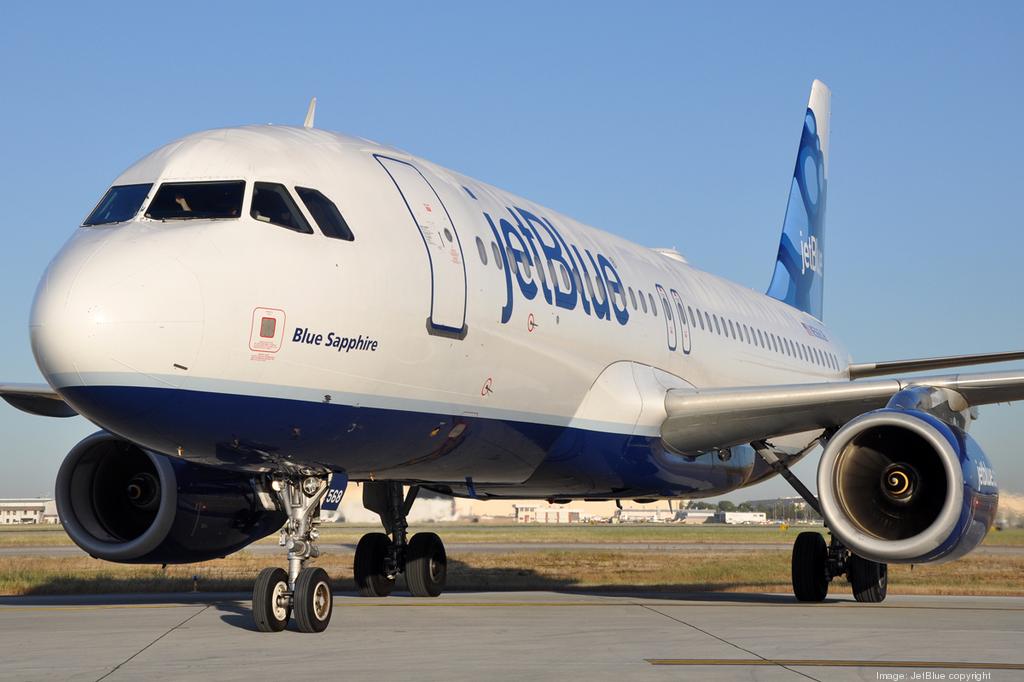
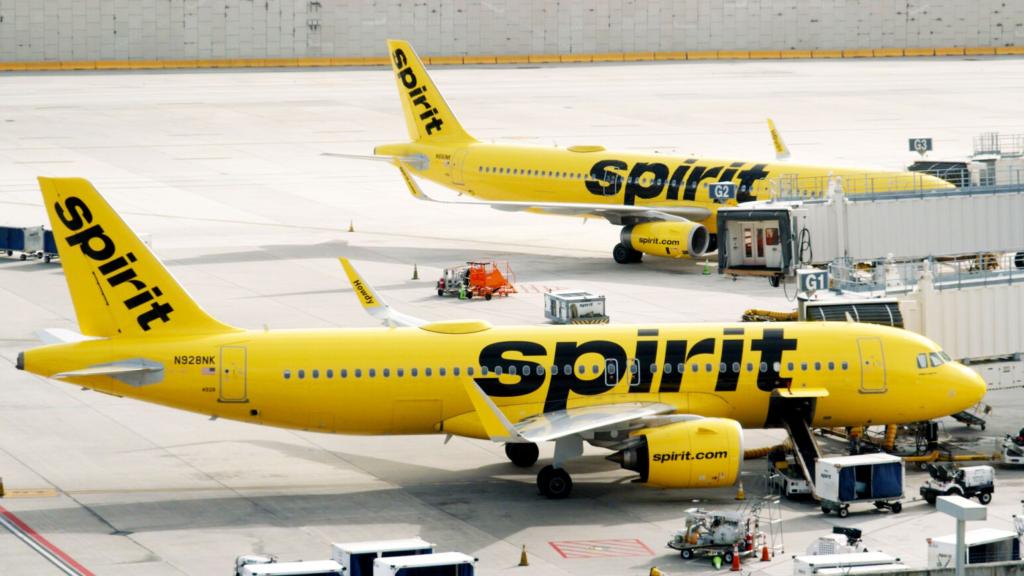
The FAA tentatively approved JetBlue’s purchase of 22 LaGuardia slots from Spirit Airlines on August 28, 2026, giving the carrier a path to expand at New York’s constrained airport from 2027. JetBlue paid $58.5 million for the rights.
The deal would increase JetBlue’s authorizations from 31 to 53. The carrier could add as many as 10 to 12 daily round trips, depending on how it pairs the new departure and arrival rights.
Free toolB1/B2 Tourist Visa Stay Calculator online
The agency has not issued final clearance. Its tentative decision opens a public-comment period running through September 21, 2026, while the official Federal Register notice is scheduled for August 31.
The package contains 12 departure slots and 10 arrival slots. Since one daily round trip requires one of each, the rights support 10 complete daily round trips without additional pairings.
Two departure slots remain. JetBlue could combine them with arrival rights it already holds, according to the deal’s mechanics.
The expansion would give JetBlue about 4.6% of the airport’s 1,141 carrier-held slots, up from roughly 2.7%. The carrier’s LaGuardia portfolio would rise by approximately 71% if the transfer closes.
JetBlue told the FAA that it needs time to prepare the new service, including aircraft, crews, schedules, revenue management, distribution and marketing.
“integrate the Operating Authorizations into its network, assign aircraft and crews, complete schedule and revenue-management work, load and publish the flights through distribution channels, and market the service.”
The carrier’s planning window points to a gradual rollout rather than an immediate schedule change. Travelers should expect route announcements only after JetBlue completes those network and commercial tasks.
The transfer creates more departures than arrivals
| Authorization type | Number | Immediate scheduling effect |
|---|---|---|
| Departure slots | 12 | Supports departures for 12 daily flights |
| Arrival slots | 10 | Supports arrivals for 10 daily flights |
| Complete round trips | 10 | Can operate outright with the new package |
| Unmatched departures | 2 | Require existing arrival rights for round trips |
The airport’s scarce operating rights could allow JetBlue to add frequency on short-haul New York routes. More departures at convenient times would give the carrier room to build high-frequency schedules rather than simply add isolated flights.
That additional capacity could also pressure fares. The effect would be strongest on leisure-heavy and short-haul business routes where JetBlue uses the rights to enter a market or increase service against incumbent airlines.
The FAA’s stated rationale centers on lower fares and service. The notice says the transfer should return the rights to commercial use under a low-fare model so “the traveling public will receive the benefits of the service and price competition provided by JetBlue.”
The agency also designed the transaction to keep the slots attached to flying. JetBlue cannot use the package as a near-term asset sale or lease opportunity.
The restrictions mean JetBlue must put the authorizations into operation instead of monetizing them through resale or leasing. They also create a deadline-driven reason for the carrier to complete its aircraft, crew and schedule planning.
The rights came from Spirit’s bankruptcy process
The authorizations trace back to FAA Operating Authorizations first published in December 2006. Spirit’s bankruptcy proceedings later produced the package for sale.
JetBlue won with a $58.5 million bid. Frontier Airlines offered $57.5 million, while the rights carried an $87 million valuation in Spirit’s court process.
That bidding history places the purchase below the court-process valuation but above Frontier’s offer. The FAA’s tentative approval now moves the transaction into the public-comment stage.
The final route mix remains open. JetBlue could use the rights for new nonstop markets, additional flights on existing routes, or a combination of both, with the balance shaped by its network, aircraft and crew plans.
The clearest schedule effect begins in 2027: more JetBlue frequency and more nonstop options from LaGuardia, particularly on short-haul markets where added low-fare capacity can force rivals to respond. Public comments remain open through September 21, 2026, before the transfer can proceed beyond tentative approval.