- Spirit Airlines is pursuing a court-approved restructuring rather than an immediate liquidation or shutdown.
- The airline plans to exit Chapter 11 by summer 2026 with a reduced debt of $2.1 billion.
- Travelers can continue booking and flying while the company rightsizes its fleet to 76-80 aircraft.
(SOUTHERN DISTRICT OF NEW YORK) — Spirit Airlines travelers should treat the latest bankruptcy filing as a restructuring story, not an immediate shutdown story. The airline is still flying, and the current court plan points toward an exit from Chapter 11 by early summer 2026.
If you have an upcoming Spirit trip, the practical question is simple: book carefully, keep receipts, and do not assume the airline disappears this week. Spirit filed for Chapter 11 twice within a year, first in November 2024 and again in August 2025, but the latest court plan pushes toward reorganization rather than liquidation.
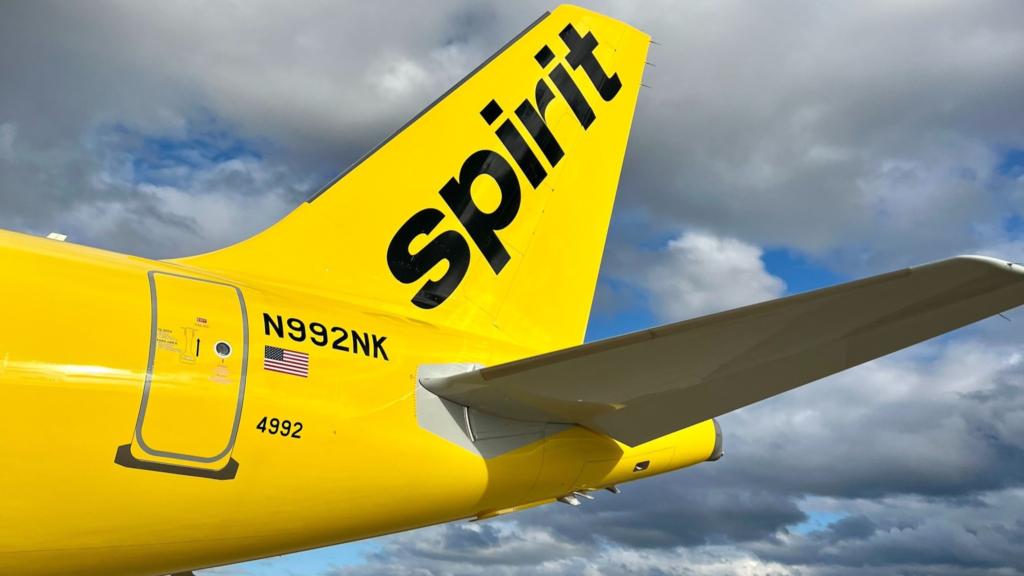
That distinction matters if you hold a reservation, a voucher, or Free Spirit miles. A restructuring process usually keeps tickets usable while the airline works through creditor claims and fleet changes. Liquidation would bring a very different playbook, with refunds, rebooking, and loyalty balances all facing far more uncertainty.
As of March 13, 2026, Spirit announced a Restructuring Support Agreement and Plan of Reorganization with the U.S. Bankruptcy Court for the Southern District of New York. The agreement sets the financial framework for the exit, with support from DIP lenders and secured noteholders.
That puts Spirit on one side of a split-screen narrative. Official filings point to a managed restructuring. Market rumor has leaned toward a fast liquidation story. The public record, at least for now, supports the first version.
Here is the comparison that matters most for travelers.
| Factor | Official restructuring path | Liquidation speculation |
|---|---|---|
| Status | Chapter 11 reorganization | Carrier shutdown and asset sale |
| Current operation | Flights continue | Flights would likely stop quickly |
| Financial plan | Restructuring Support Agreement and Plan of Reorganization | No court-backed exit plan |
| Debt outlook | About $2.1 billion at exit | Not applicable |
| Fleet outlook | 76 to 80 aircraft by Q3 2026 | Fleet would shrink more sharply |
| Traveler risk | Moderate, tied to bankruptcy execution | High, with widespread cancellations |
Spirit’s plan starts with a blunt balance-sheet reset. The company says total debt and lease obligations should fall from $7.4 billion before the second Chapter 11 filing to about $2.1 billion at exit. That is a major cut, and it gives the airline a cleaner base than it had before the latest filing.
Debt reduction is not a travel perk, but it affects the odds that your low-fare airline remains in business. A carrier with a lighter debt load has more room to keep planes flying, pay vendors, and keep selling tickets. A carrier drowning in lease and debt payments has less margin for error.
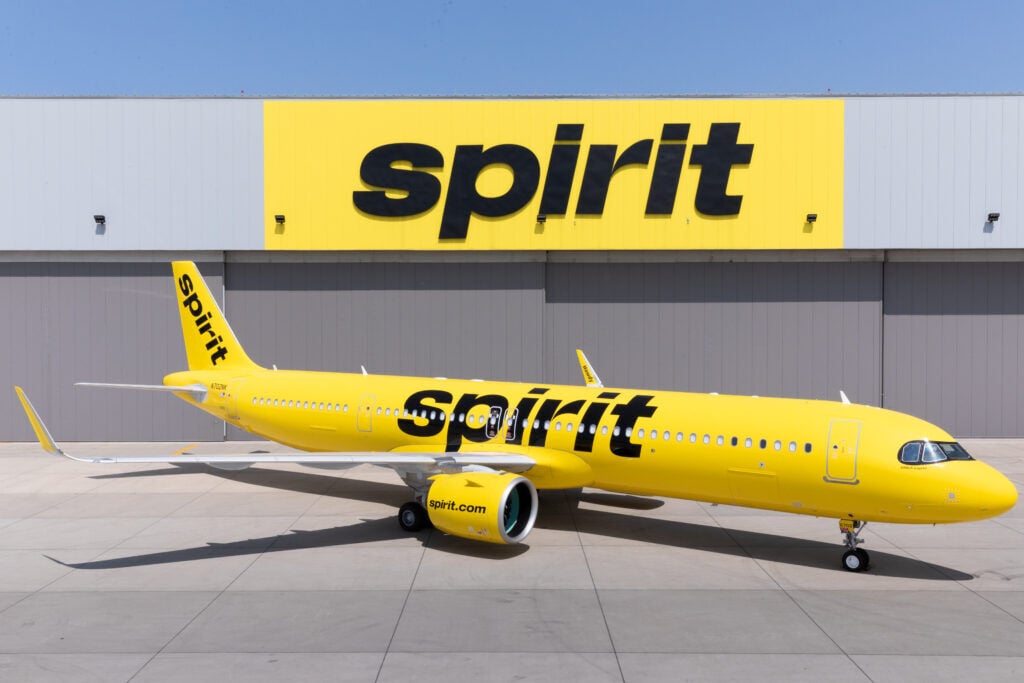
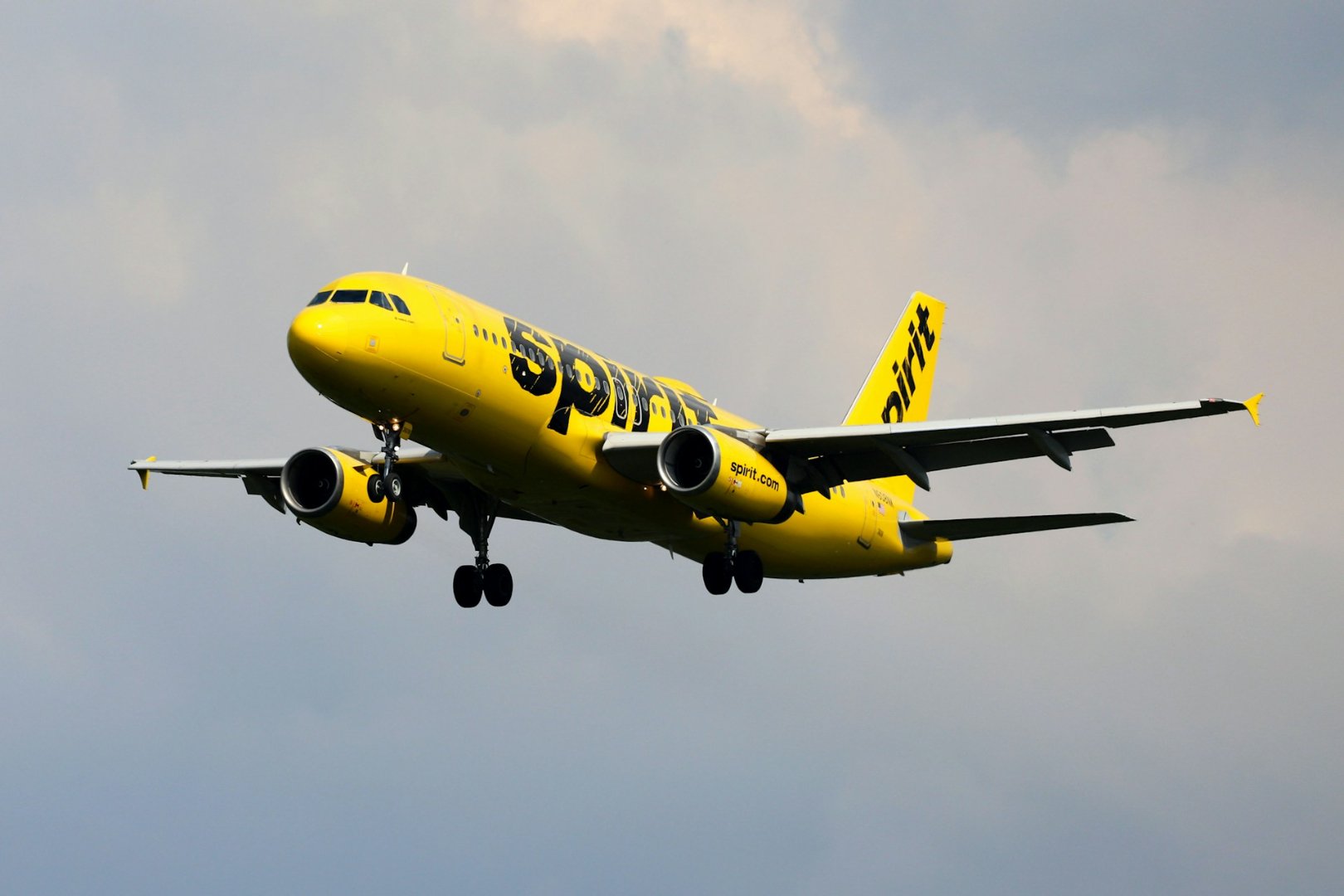
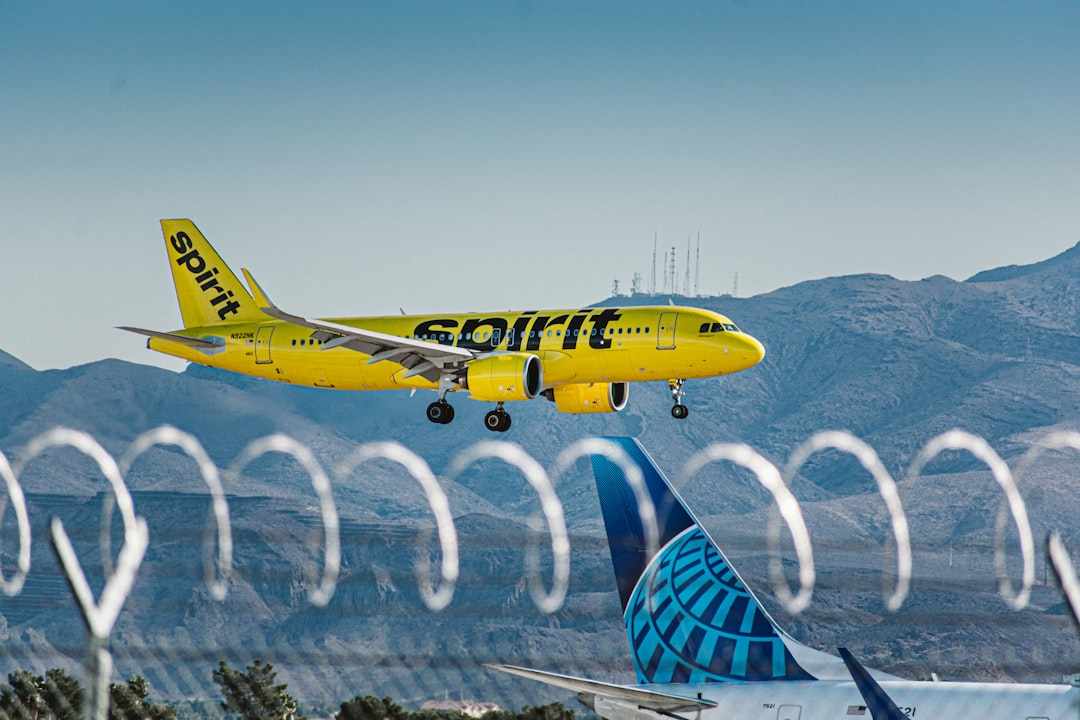
The Plan of Reorganization also ties Spirit to a smaller fleet. The airline expects to rightsize to 76 to 80 planes by Q3 2026, with its core operation centered on Airbus A320 and A321ceo aircraft. That points to a leaner network, not an immediate retreat from flying.
Spirit will keep operating during the bankruptcy process. That is the crucial consumer fact. Tickets already sold are still valid unless the airline cancels a flight or a schedule change triggers a refund under normal rules. Travelers do not need to treat every Spirit booking as lost.
Still, the airline’s network will look tighter if the fleet target holds. Fewer aircraft usually means fewer frequencies, thinner route coverage, and less recovery capacity when weather or mechanical issues hit. Spirit’s ultra-low-cost model depends on high aircraft use, so a smaller fleet will matter even if the carrier exits Chapter 11 on schedule.
Free Spirit flyers should watch a different kind of risk. Bankruptcy does not automatically erase loyalty balances, but it does pressure the airline to conserve cash and simplify operations. Award space can change quickly during a restructuring, and schedule cuts often hit the most marginal routes first.
That makes the comparison with other low-cost carriers sharper. Frontier still competes on bare fares and frequent sales, while Southwest keeps a more flexible customer proposition with two checked bags and no seat assignment fees. Spirit remains the most stripped-down of the group, but it is also the one under the heaviest court supervision.
If Spirit completes the Plan of Reorganization, the carrier should emerge with less debt and a more manageable fleet. If the restructuring falters, the market will revisit liquidation talk. The difference between those outcomes rests on court approvals, lender support, and the airline’s ability to keep operations steady through 2026.
Here is the cleaner way to read the present situation.
| Question | What the record shows |
|---|---|
| Is Spirit liquidating right now? | No. The company is pursuing restructuring. |
| Is Spirit still selling and operating flights? | Yes. |
| Has Spirit filed for bankruptcy before? | Yes. Twice within a year, in November 2024 and August 2025. |
| When could Spirit exit Chapter 11? | Early summer 2026. |
| What is the fleet target? | 76 to 80 aircraft by Q3 2026. |
Choose Spirit if the fare difference is meaningful and the itinerary is simple. The airline still sells the ultra-low base price that attracts budget travelers, especially on short domestic trips where a bare-bones product works.
Choose another carrier if the trip is time-sensitive, expensive to replace, or packed with connections. A reorganization can bring schedule cuts and route changes, and Spirit has less cushion than larger airlines when disruption hits.
For travelers holding Free Spirit points, the safest move is to use them on a near-term trip if the redemption makes sense. That reduces exposure to any future schedule reduction or network change. If cash fares are low and the points price is poor, save the balance for a route you already plan to fly soon.
Bankruptcy also changes the cost of waiting. A cheap ticket on a stable airline can be worth more than a slightly cheaper Spirit fare if your plans are fixed. The savings vanish fast if a canceled flight forces a last-minute rebooking on another carrier.
Spirit’s March 13 agreement gives the airline a path, not a guarantee. The current filings support a company trying to resize and survive, not one preparing to vanish overnight. If you have a Spirit itinerary in the next few months, check it now, watch for schedule changes, and book alternatives before the lowest fares disappear.