- Authorities maintain a legal distinction between suspension and revocation under the Passports Act, 1967.
- Revocation cancels a document’s validity permanently, requiring holders to surrender the physical booklet immediately.
- Citizens abroad can secure Emergency Certificates for one-way return travel if their passports are invalidated.
(INDIA) — Indian authorities treat passport suspension and passport revocation as separate actions under the Passports Act, 1967, a distinction that shapes whether a document can be restored, what happens to a visa, and how return travel works when a traveler is stranded abroad or needs to leave India.
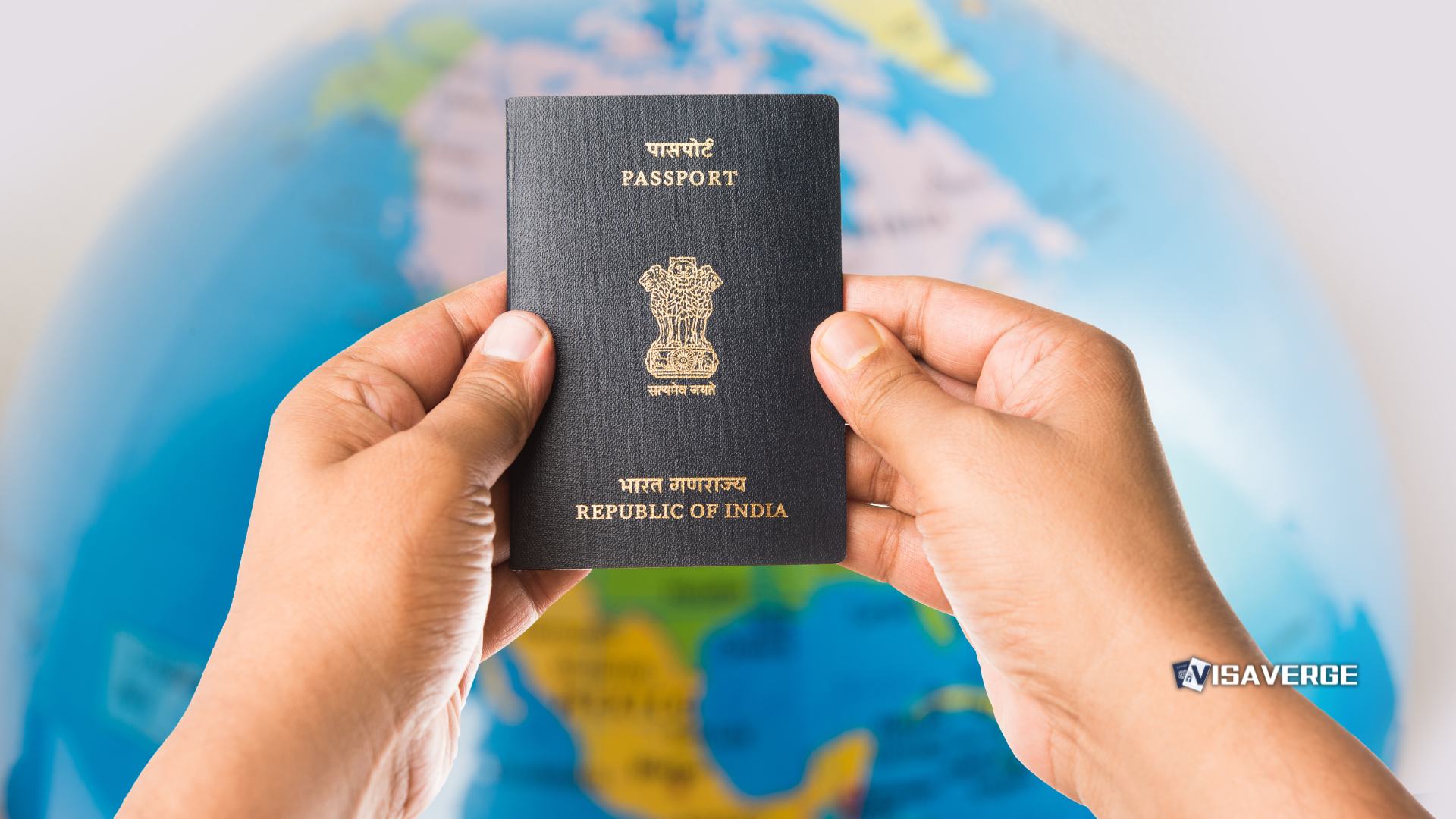
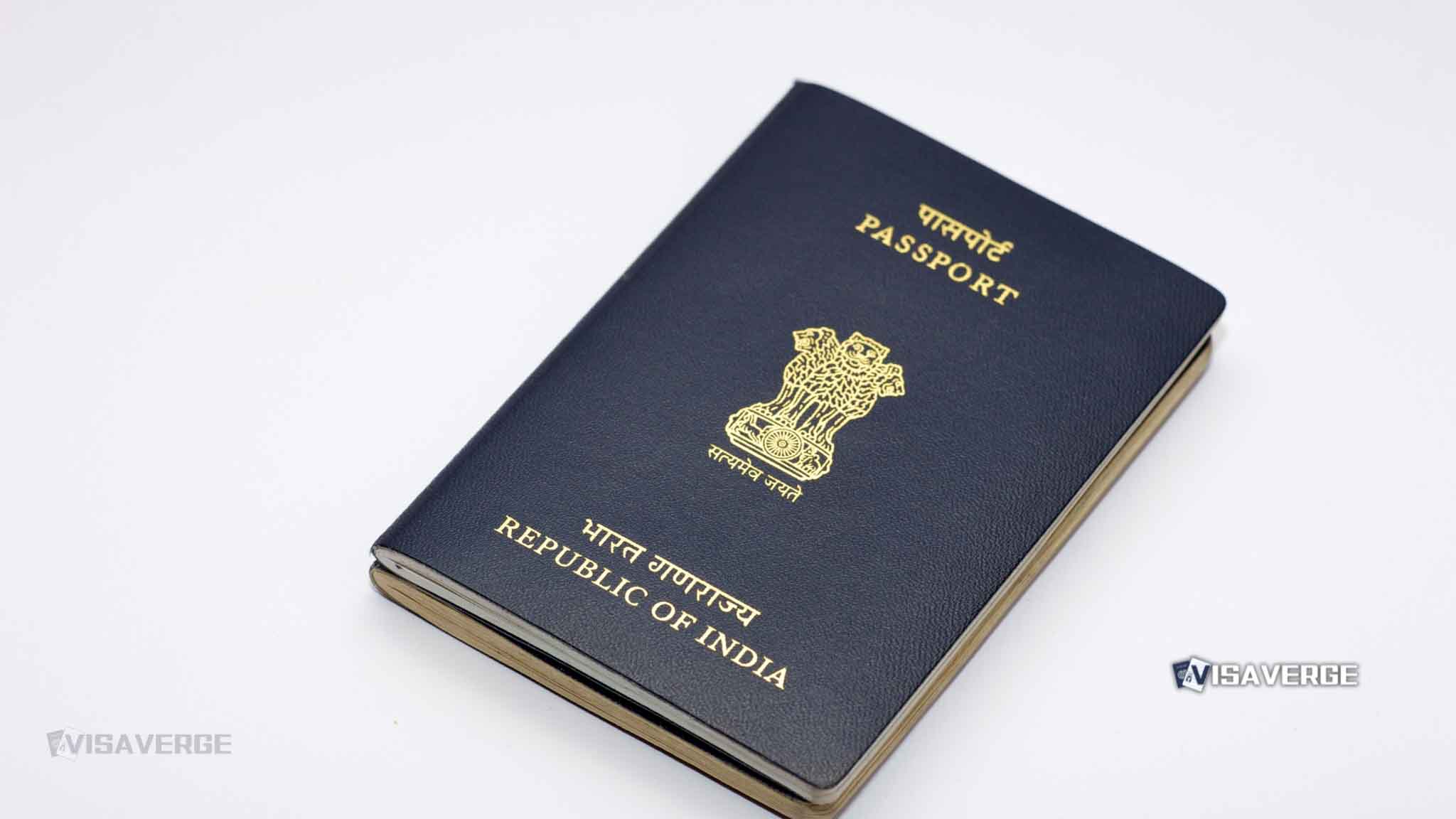
A suspension generally disables a passport’s validity for use on a temporary basis. The physical booklet may still exist, but its legal use is on hold. Revocation goes further. It cancels or withdraws the passport as a valid travel document, and the holder must surrender it without delay if it has not already been impounded.
That difference sits in the statute itself. Section 10 covers variation, impounding, and revocation, while Section 10A deals separately with suspension in certain cases. In practice, a suspended passport can become usable again if the order is lifted or the underlying issue is resolved. A revoked passport is harder to restore because its validity has ended.
Relief after revocation can still come through legal process. India provides an appellate remedy under Section 11, and Passport Seva recognizes appeal filing through the portal. In court-conviction cases, the law also provides a narrow safeguard: if a court revokes a passport on conviction and that conviction is later set aside, the revocation becomes void.
The grounds for action appear in Section 10(3) of the law. A passport may be impounded or revoked if it is wrongfully possessed, was obtained by suppression of material information or wrong information, or is considered liable to action in the interests of sovereignty and integrity of India, security of India, friendly relations with foreign countries, or the general public interest.
The same provision also reaches criminal and court-related situations. A passport may face action where there are certain criminal proceedings, convictions, court warrants, summons, or orders prohibiting departure from India. Breach of passport conditions or failure to surrender the passport when required can also trigger revocation.
India has also used suspension as an interim step before stronger action. Public statements from the Ministry of External Affairs in 2018 on Nirav Modi and Mehul Choksi referred first to suspension under Section 10A and then to proposed revocation proceedings under Section 10(3)(c). That sequence matters because it shows the law does not treat suspension and revocation as interchangeable labels.
Visa status creates a separate layer of confusion. A passport and a visa are different legal documents issued by different sovereign authorities. One comes from the traveler’s own country as a travel document. The other comes from another country to permit travel to its border and, depending on that country’s law, to seek entry or stay for a specified purpose.
Action against the passport does not automatically cancel every visa stamped in it. But a visa that survives in a technical sense may still become unusable in practice. If the passport itself is suspended or revoked, international travel ordinarily becomes impossible unless the traveler has another valid passport or travel document and the visa-issuing country allows use of the existing visa with that replacement document.
That is why an expired passport sits in a different category. Expiry is the natural end of validity through the passage of time. Suspension and revocation are legal actions taken against the document. In many countries, a valid visa in an expired passport may still be used with a new passport, but that does not mean the same arrangement applies after passport suspension or passport revocation. The legal position is more serious once authorities suspend or cancel the passport itself.
Indian citizens abroad usually still have a route home if their passport is suspended or revoked. The normal mechanism is an Emergency Certificate, or EC, issued by an Indian Mission or Post abroad. Under the Passports Act, an Emergency Certificate is a recognized class of travel document authorizing a person to enter India.
The document is limited in scope. Mission guidance describes the EC as a one-way travel document to India, typically used when a valid passport is not available and a fresh passport cannot be issued immediately. That guidance also states that it is issued after cancellation of the existing passport, and that the person must approach the concerned passport authority for a fresh passport after returning to India.
That means return travel remains possible, but not on the invalid passport itself. An Indian citizen outside India whose passport has been suspended, impounded, or revoked can generally come back through an Emergency Certificate or another valid Indian travel document. The cancelled or suspended passport does not remain available for routine use simply because the traveler needs to get home.
Foreign nationals in India face a parallel but different process. India’s Passports Act says no person shall depart from India unless they hold a valid passport or travel document. A foreign national whose own country has suspended or revoked a passport would therefore need a replacement passport, emergency travel document, temporary passport, or laissez-passer from that country’s embassy or consulate before departure.
Administrative practice follows the same logic. Foreigners with a lost or unavailable passport are required to obtain an emergency travel document from the concerned foreign mission and then complete the necessary exit formalities. India’s side of the process centers on whether the traveler holds a currently valid travel document and satisfies immigration requirements. The substitute document must come from the home country’s mission.
Airlines and immigration officers add another practical check. They will examine whether the passenger holds a currently valid travel document and, where relevant, whether exit permission, immigration clearance, or related formalities are required. A suspended or revoked passport generally does not meet that test for routine travel, even if a visa inside it has not been separately cancelled by the country that issued the visa.
Entry on an emergency document also depends on the law of the country receiving the traveler and the design of the document itself. Countries usually admit their own nationals on their own emergency travel documents, but the exact form and conditions vary. No single rule applies across every jurisdiction, and that variation often determines whether a person can move directly, needs additional checks, or must arrange fresh documentation before boarding.
Across countries, the broad themes behind passport action look familiar. Fraud, national security, public interest, criminal proceedings, and court orders often appear as grounds for suspension or cancellation. The consequences differ more than the categories do. Some countries allow travel on a valid visa carried in an old expired passport alongside a new passport. Others require fresh visa issuance, visa transfer, or digital re-linking. Some may separately cancel the visa after passport revocation.
That country-by-country difference explains why visa use after passport trouble cannot be answered with a single global formula. The effect of passport suspension or passport revocation on future travel depends on the law of the country that issued the passport, the law of the country that granted the visa, and the immigration controls of the country from which the person is departing. A visa may still exist on paper; the travel path may still be blocked.
India’s legal position is tighter and more structured than many travelers assume. Suspension and revocation remain distinct under the Passports Act, 1967. Revocation typically requires surrender of the passport, while suspension temporarily disables its use. An Indian citizen abroad can generally return on an Emergency Certificate. A foreign national in India can generally depart only after securing a valid substitute travel document from the home country and completing the required immigration process.
The result is a system that separates document status from visa status but ties actual movement to possession of a valid travel document at the moment of departure and arrival. A visa does not necessarily vanish the moment a passport is suspended or revoked. Travel usually stops anyway, until the traveler regularizes the passport position or obtains an emergency document that authorities and carriers will accept.