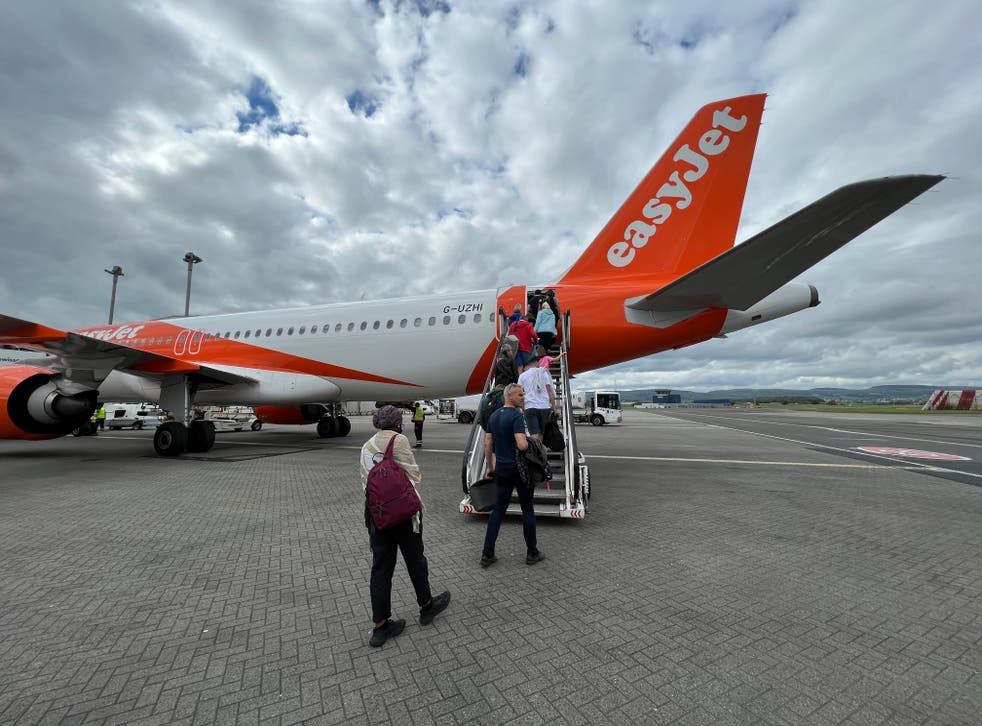
- easyJet recently rejected a £3.06 billion takeover approach from U.S. firm Castlelake as highly opportunistic.
- The airline’s board cited depressed share prices caused by Middle East tensions and rising fuel costs.
- Regulatory hurdles regarding European airline ownership present significant challenges for any potential U.S. acquisition.
(UNITED KINGDOM) — easyJet rejected a potential takeover approach from Castlelake, L.P. on June 1, 2026, calling the interest in the British airline “highly opportunistic” and telling shareholders to “take no action at this time” while it assesses any future proposal.
The board said Castlelake had indicated a possible offer of at least 403p per share, valuing easyJet at about £3.06 billion. easyJet shares rose 12% in early trading to 444.7p, a three-month high.
Free toolUSCIS Receipt Number Decoder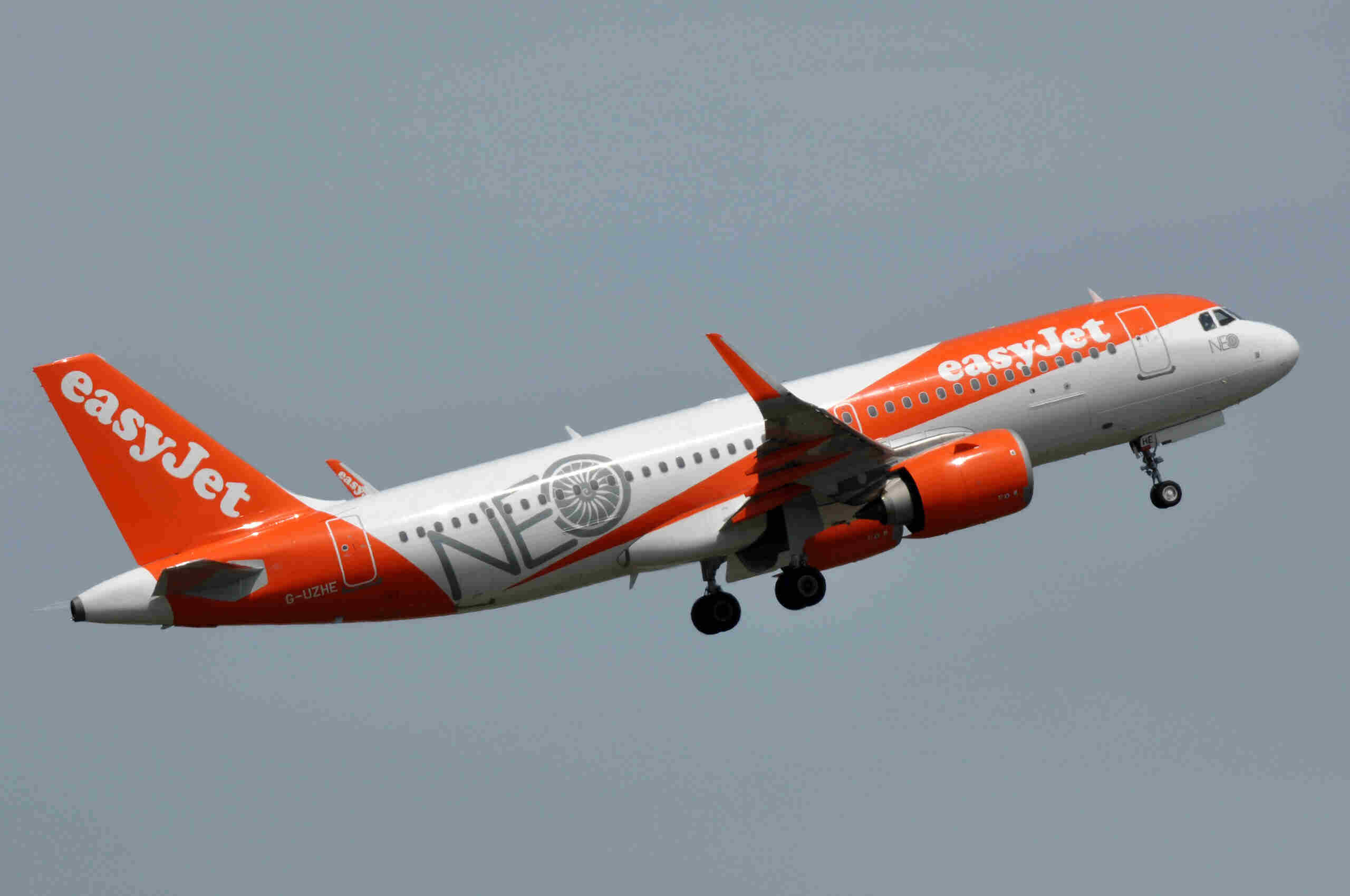
easyJet said the approach came at “highly opportunistic timing,” adding that its share price is “temporarily depressed due to the current situation in the Middle East and its impact on customer confidence and jet fuel prices.” Castlelake already holds a 2.14% stake in the airline.
Castlelake is a Minneapolis-based private credit firm that manages approximately $36 billion in assets. Under UK City Takeover rules, it has until 5:00 p.m. on June 26, 2026, to announce a firm intention to make an offer or walk away.
easyJet also flagged what it called “considerable regulatory, financial and other execution challenges” tied to any U.S. bid for a European carrier. The airline pointed to EU rules requiring European airlines to be majority-owned and controlled by regional investors.
That regulatory hurdle sits alongside a rough market backdrop for airlines. Jet fuel prices doubled after U.S. strikes on oil fields in the Gulf and the Iranian closure of the Strait of Hormuz in early 2026.
easyJet has already passed part of that pressure on to customers. The airline said winter 2026/2027 fares rose by £2–£3 per ticket because of fuel costs.
The company’s response to Castlelake comes as governments on both sides of the Atlantic have issued security and immigration measures linked to the Middle East conflict. That backdrop has affected aviation security, fuel markets and international corporate operations, according to statements issued by U.S. agencies cited by the airline’s broader market context.
Secretary of Homeland Security Kristi Noem issued a National Terrorism Advisory System Bulletin on June 22, 2025, and it remained active with updates through 2026. “It is our duty to keep the nation safe and informed, especially during times of conflict. The ongoing Israel-Iran conflict brings the possibility of increased threat to the homeland in the form of possible cyberattacks, acts of violence, and antisemitic hate crimes,” Noem said.
DHS said the conflict, which escalated following the strikes on Iran on February 28, 2026, created a “heightened threat environment” that affected global aviation security and fuel markets. Those pressures fed into the share-price weakness easyJet cited in rejecting the approach.
U.S. Citizenship and Immigration Services announced another change on May 23, 2026 that affects foreign nationals employed by international companies, including airline groups with cross-border staffing. USCIS said it would end the practice of allowing “in-country applications for US permanent residency,” and that foreigners seeking green cards must “return home and apply there [via consular processing], except in ‘extraordinary circumstances’.”
USCIS described the change as a return to the “original intent of the law” and the closing of a “loophole.” The shift affects approximately 600,000 applicants annually who had previously applied for adjustment of status from within the United States.
That policy change adds another layer for multinational employers weighing staffing and corporate planning. Workers in the United States on work or student visas, including those transferred by international airlines, now face a requirement to leave the country to complete green card processing in many cases.
Other immigration measures have also tightened this year. In April 2026, DHS announced new requirements and inflationary fee adjustments under the “One Big Beautiful Bill Act” (H.R. 1), including a proposed increase in the fee for certain removal orders from $5,130 to $18,000.
USCIS said on April 28, 2026 that it had reached the cap for the second allocation of 27,736 supplemental H-2B visas for fiscal year 2026. That cap applies to another part of the U.S. labor market, but it points to the wider tightening and cost pressure around immigration processes.
For easyJet shareholders, the immediate issue is price and certainty. The board said it was evaluating the “valuation and deliverability” of any future formal proposal and advised investors not to respond now.
The market’s reaction suggested some investors expect any bid to come higher than the initial level floated by Castlelake. Shares trading above the indicated 403p offer level often signal expectations that a bidder must improve terms or that a deal may not progress on the original valuation.
The possible acquisition also carries wider corporate implications in London. The approach could mark the potential exit of another major FTSE company from the London Stock Exchange, though easyJet’s rejection made clear that price, structure and regulatory feasibility all remain open questions.
Any U.S. move for easyJet would unfold against scrutiny of ownership and control rules for European airlines and amid a security climate shaped by Middle East conflict. The airline’s own account tied its depressed valuation to those conditions, while fuel costs, travel demand and cross-border policy changes continue to push through the sector.
Official U.S. statements shaping that backdrop remain available through the USCIS Newsroom, DHS news releases and the Department of State travel advisories. Castlelake now faces the June 26, 2026 deadline as easyJet holds its ground against what it described as an opportunistic £3 billion approach.