- easyJet reports its operations are entirely unaffected by shocks despite global jet fuel shortages and rising costs.
- Major competitors like KLM and Lufthansa are canceling thousands of flights to manage fuel pressures.
- The airline will not add fuel surcharges to existing bookings, maintaining a full 2026 flying schedule.
easyJet said it is “not seeing any disruption to its jet fuel supply” and that its “daily operations remain entirely unaffected by external supply chain shocks,” offering a public reassurance as other carriers cut flights or raise charges amid a jet fuel shortage and higher fuel costs.
The airline said its “flying program remains fully intact” and that it plans to operate its full schedule across its network. It also said passengers booked on upcoming flights or package holidays should “proceed to the airport with confidence.”
Free toolB1/B2 Tourist Visa Stay Calculator online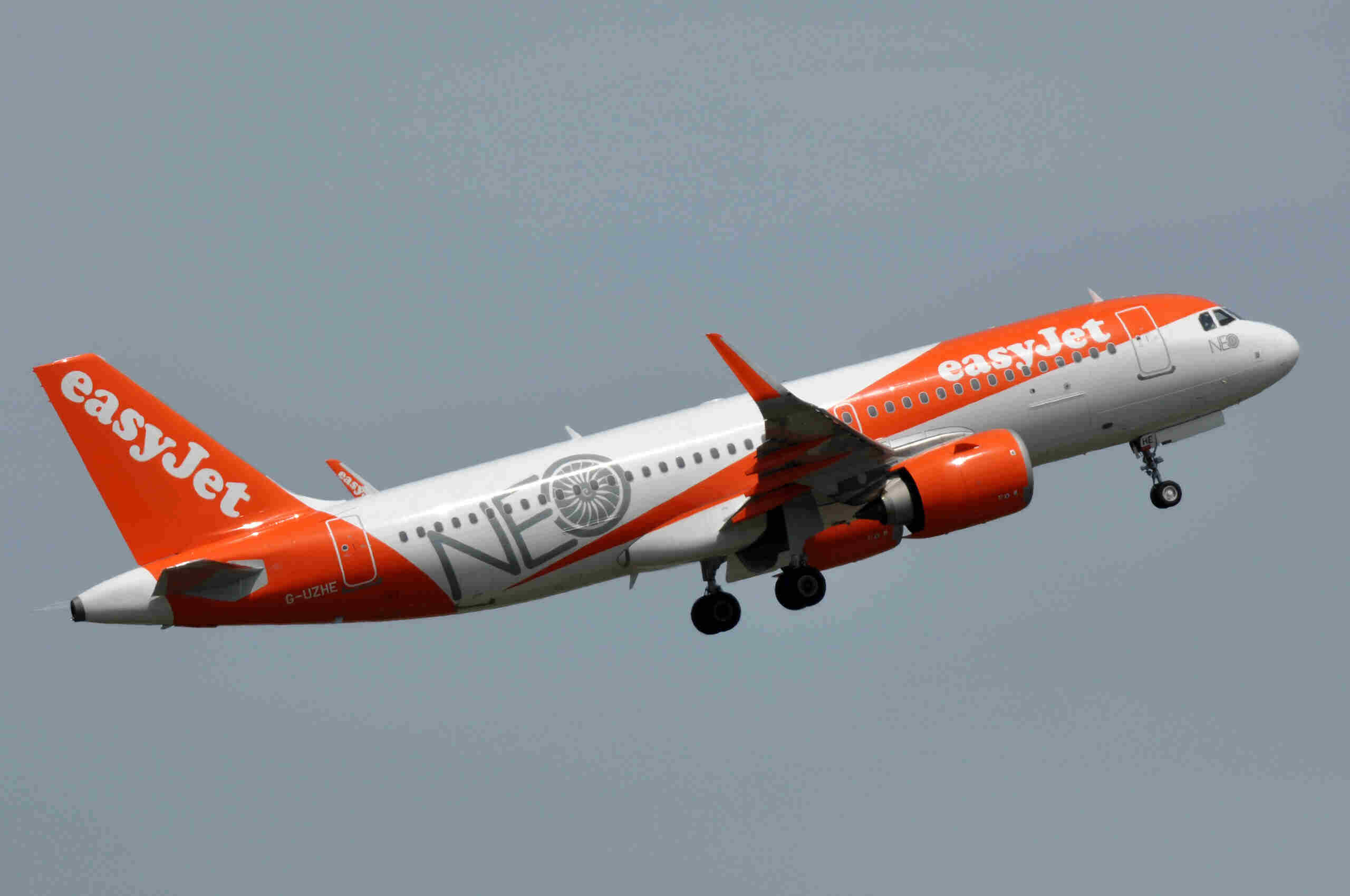
easyJet added that it has visibility for a rolling four-week period. The carrier also said it will not add a fuel surcharge to existing bookings.
That message placed easyJet apart from several airlines that have already pared back schedules. KLM cancelled more than 150 European flights and will not operate 80 return flights out of Amsterdam Schiphol over the next month.
Air Canada plans to trim four of its 38 daily flights to New York from June 1 to October 25, 2026. Aegean Airlines, Turkish Airlines and British Airways were also named among European carriers cutting flights.
Lufthansa Group announced it will cancel 20,000 flights over the next six months to save 40,000 metric tonnes of jet fuel. SAS said it would cancel 1,000 flights in April because of high oil and jet fuel prices.
The split response shows how unevenly fuel pressure is hitting the industry. Some carriers are shrinking schedules, while easyJet says its own operation remains intact and has announced no cancellations or route reductions for fuel reasons.
Pricing has also begun to diverge. easyJet said it will not add a fuel surcharge to existing bookings, while other airlines have moved the other way as fuel bills climb.
AirAsia said it would raise fuel surcharges on domestic flights from April 5. SunExpress said it will impose a temporary fuel surcharge of 10 euros per passenger from May 1 on routes between Turkey and Europe, applying to bookings made on or after April 1 for departures on or after May 1.
easyJet’s wording was direct and broad. It said its “daily operations remain entirely unaffected by external supply chain shocks,” a phrase that addressed supply as well as price pressure without announcing any change to its network plan.
The carrier also tied that assurance to near-term planning. Visibility for a rolling four-week period suggests the airline has a defined window for monitoring supply while keeping its published flying program in place.
Passengers have faced a different message at some rival airlines. KLM’s cuts at Amsterdam Schiphol, Lufthansa Group’s plan to cancel 20,000 flights, and SAS’s decision to cancel 1,000 flights in April all point to airlines trying to reduce fuel use or absorb higher costs by trimming capacity.
Some of those moves involve broad network adjustments rather than a single route or airport. Air Canada’s reduction of four of its 38 daily flights to New York runs from June 1 to October 25, 2026, while the reference to Aegean Airlines, Turkish Airlines and British Airways places them in the same camp of carriers cutting flights.
The cost side has become more visible to passengers where airlines have chosen surcharges instead of, or alongside, schedule cuts. SunExpress fixed its added charge at 10 euros per passenger, and AirAsia said it would raise fuel surcharges on domestic flights from April 5.
easyJet has not taken that step on existing bookings. Its statement that passengers should “proceed to the airport with confidence” paired an operational assurance with a pricing one, at least for trips already booked.
Across the market, the picture remains mixed. Several airlines are cutting flights or adding fuel surcharges because of jet fuel supply and cost pressures, while easyJet says its operations are not currently affected and its full schedule remains in place.
That contrast leaves travelers with two very different sets of signals. KLM and other carriers have already adjusted capacity, but easyJet says its “flying program remains fully intact” and that customers with upcoming flights or package holidays should “proceed to the airport with confidence.”