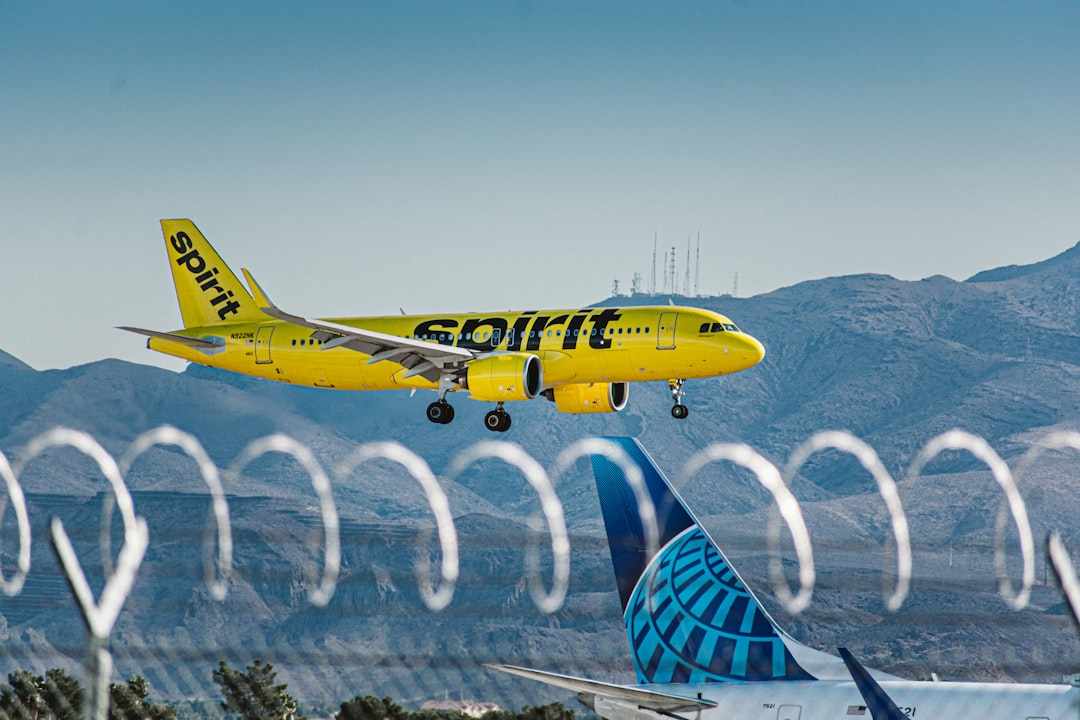
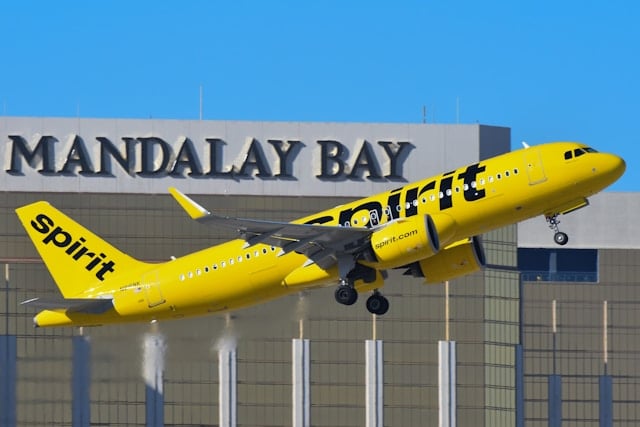
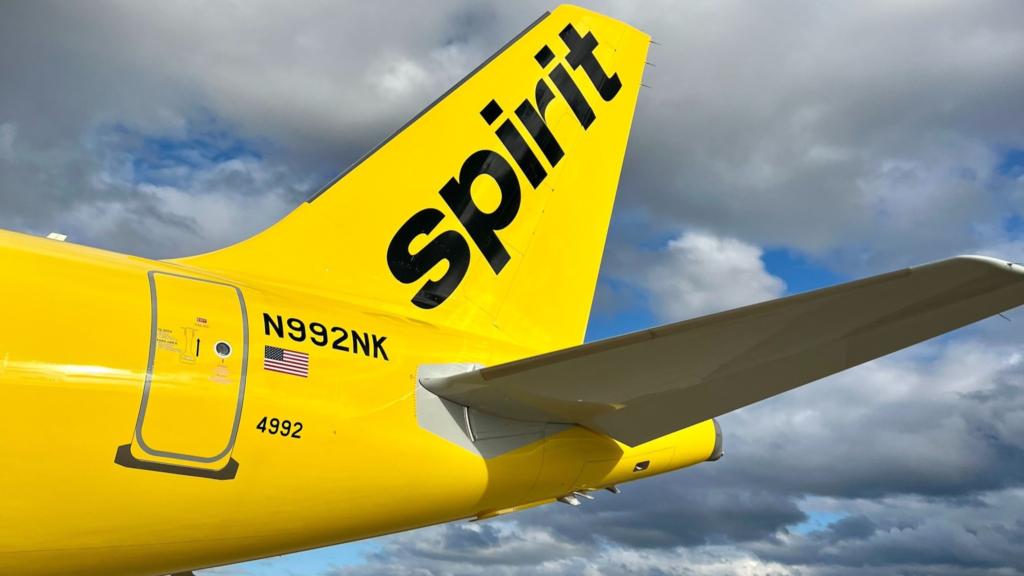
Spirit Airlines is facing a new crisis after rescue talks tied to a possible government-backed deal stalled on April 28, 2026, leaving the carrier under pressure as it continues operating with about $250 million in cash. The airline had already disclosed a restructuring plan on March 13, 2026, but rising fuel costs and creditor resistance have pushed shutdown and liquidation risk to the forefront.
- President Donald Trump said he is open to a government takeover of Spirit Airlines “for the right price,” adding that the carrier has “good aircraft” and “good assets” to save jobs.
- The Trump administration offered a $500 million loan in exchange for 90% control as a senior bondholder, with a possible Defense Production Act role tied to military troop and cargo transport before a later sale.
- Spirit filed its second Chapter 11 bankruptcy in August 2025 and announced a Restructuring Support Agreement and Plan of Reorganization on March 13, 2026, targeting emergence by early summer with a rightsized fleet of 76-80 Airbus A320 planes by Q3 2026.
- Lenders objected after jet fuel prices climbed to $4.32/gallon by April 16, 2026, upending earlier projections that had assumed $2.24/gallon in 2026 and $2.14/gallon in 2027.
(UNITED STATES) Spirit Airlines is preparing for a second Chapter 11 filing within a year, as fresh warnings from the company and credit agencies point to a deepening cash crisis and a rising risk of insolvency. On August 23, 2025, the carrier hired restructuring advisors to get ready for another trip to bankruptcy court, just five months after it emerged from its first Chapter 11 process in March. In recent filings with federal regulators, Spirit told investors there is “substantial doubt” about its ability to keep operating over the next 12 months without new money or a sharp business turnaround. The airline has not announced schedule cuts or cancellations, but the chance of disruption will rise if a second filing moves forward.
Spirit’s finances have worsened through the summer. The company’s cash reserves are down to $407.5 million, while near‑term debt totals $2.689 billion, including $1.1 billion due in 2025 and another $1 billion due in 2026. Credit markets have taken notice. On August 15, Fitch cut Spirit’s rating to CCC-, citing falling liquidity and steep cash burn in the first half of 2025. On August 22, Moody’s pushed the rating to Caa3, calling the outlook speculative and high risk. Spirit’s stock traded near $2.20 in August, down roughly 90% from 2024 levels and off about 40% this month alone. The airline also posted a $246 million net loss in the second quarter of 2025, wiping out hopes for a full‑year profit that management once projected.
To match a weaker flight schedule next year, Spirit will furlough 270 pilots on November 1, 2025, and demote 140 captains to first officers on October 1, 2025. Management has discussed selling aircraft and real estate to raise cash. Even so, unions and analysts are warning that these steps may not be enough. The Association of Flight Attendants (AFA) has urged members to prepare for all outcomes, pointing to Spirit’s fragile financial position. The union has also reminded crews that support is available through the AFA Employee Assistance Program.
Escalating warnings and financial markers
The pace of warnings has sped up over the past six weeks. Spirit’s quarterly filing in August contained a “going concern” notice — a stark red flag that tells investors and workers the company may not survive the next year without fresh capital or a hard reset of costs. That message followed a spring rebound that did not last: Spirit exited Chapter 11 in March after converting $795 million in debt to equity and securing $350 million in new capital.
In March, President and CEO Ted Christie said the airline had “emerged in a stronger financial position,” with a plan to return to profit and focus on long‑term health. By late summer, filings and ratings moves told a different story.
Key numbers that underline the gap between expectations and reality:
- Cash burn in 2025 is now forecast to top $500 million.
- Total near‑term debt: $2.689 billion.
- Cash reserves: $407.5 million (as of August).
- A projected $252 million profit for 2025 gave way to a $246 million loss in Q2 alone.
- Share price around $2.20, down roughly 90% year over year.
Moody’s and Fitch describe the airline’s position as extremely weak, pointing to heavy debt, falling liquidity, and a business model under pressure. Leisure demand has softened and larger carriers have matched low fares more often, squeezing Spirit’s yields.
Management has tried to raise revenue per seat by adding premium seating and tiered pricing, but those changes have not offset the broader demand problem. Selling assets may create short‑term breathing room, but it does not fix core issues like aircraft lease costs, existing labor contracts, and weaker yields on many domestic routes.
How Spirit got here: a brief recap
Spirit was once a powerhouse in the ultra‑low‑cost segment before the pandemic. Since 2020 the company:
- Lost more than $2.5 billion (2020–2024).
- Saw two merger attempts fail (the $3.8 billion JetBlue sale was blocked in March 2024; an earlier Frontier tie‑up also fell apart).
- Filed for Chapter 11 in November 2024, cut debt in the case, and exited in March 2025.
Despite the March restructuring, the turnaround has not held. By August, Spirit’s own filings signaled that a second Chapter 11 may be unavoidable unless the airline secures new financing on workable terms.
Calendar risks and operational impacts
Investors and employees now face a tight calendar:
- October 1, 2025 — 140 captains demoted to first officers.
- November 1, 2025 — 270 pilots furloughed.
Credit agencies warned that cash may run too low before mid‑2026 without fresh funds. A second filing could arrive sooner if liquidity slips further. While Spirit has not announced schedule cuts, any bankruptcy process can bring tough choices about fleet, routes, and staffing. That reality is driving unions to alert members, and it is pushing customers to watch for company updates.
Spirit says customers should continue to rely on its website for travel information. Investors and policy watchers can follow Spirit’s latest disclosures on the U.S. Securities and Exchange Commission’s site, which tracks quarterly and current reports from public companies. Those filings are available at https://www.sec.gov.
What it means for workers, customers, and the market
Workers
- The planned pilot furloughs and demotions are large for a carrier Spirit’s size and reflect management’s cautious outlook for 2026.
- The AFA urges crews to prepare for change, review personal finances, and use the AFA Employee Assistance Program.
- Other work groups may feel effects if cost cuts widen, especially if asset sales or deeper restructuring occur under court oversight.
Customers
- Spirit has not said it will cancel flights; tickets remain on sale.
- If a second bankruptcy begins, court filings could address routes, fleet plans, and vendor payments — affecting flight frequency and refund timing.
- Travelers should monitor official updates on https://www.spirit.com and company notices for the first sign of changes.
Creditors and investors
- Equity has become a high‑risk bet, dependent on either a sharp profit rebound or a buyout.
- Bondholders and lessors may face another round of renegotiations in bankruptcy court.
- Ratings at Caa3 (Moody’s) and CCC- (Fitch) reflect how little room is left if revenue falls again or costs rise.
Market implications
- A Spirit collapse would reduce competition on ultra‑low‑cost routes, potentially raising fares on certain city pairs.
- Larger carriers have matched low fares this year, making it harder for Spirit to fill planes at prices that cover fixed costs.
- If Spirit shrinks or fails, the ultra‑low‑cost segment could consolidate further, with capacity shifts that raise fares where Spirit had been a price anchor.
Strategic options and constraints
The immediate path forward centers on a few choices:
- Secure new financing before maturities come due.
- Cut costs quickly without destroying revenue.
- Use a court process to push maturities and reset contracts.
Each option has trade‑offs:
- New financing could dilute shareholders or come at steep terms.
- Asset sales can bring quick cash but risk shrinking revenue and route coverage.
- A second Chapter 11 could enable faster lease resets and labor changes but would also mean painful short‑term disruption for workers and customers.
The near‑term debt wall is the biggest threat: $1.1 billion due this year and $1 billion in 2026. Converting more debt to equity could help but would likely dilute existing shareholders and require creditor support.
Union and employee responses
Unions are trying to steady the workforce:
- The AFA has told members to watch official company notices and union updates.
- The AFA is reminding crews that its Assistance Program is available 24/7.
- Flight attendants and pilots have been urged to review expenses and consider short‑term savings measures while preparing for schedule changes.
Managers are trying to hold service together, keep crews in place for planned schedules, and talk with lenders about options.
Performance of commercial initiatives
Spirit’s product changes — adding premium seats and more fare bundles — produced some new sales but did not close the revenue gap. Challenges include:
- Larger carriers’ ability to offer low base fares while still capturing higher‑yield customers.
- Persistent high fuel and lease costs that limit the ability to cut prices further.
- Weaker leisure demand this summer that reduced yields and accelerated cash burn.
Policy and local economic implications
From a policy angle, a Spirit retreat or collapse would further shrink the ultra‑low‑cost field in the U.S., removing a price anchor on several city pairs. Analysts note:
- Consolidation over the past decade has left fewer major players and more hub dominance.
- Reduced capacity on routes where Spirit is a key competitor could raise fares and affect local jobs and airport revenues.
- Consumer groups and local officials often track these cases because flight cuts can impact regional budgets and economies.
Where to follow updates
- SEC filings (quarterly and current reports): https://www.sec.gov
- Spirit customer site and flight status: https://www.spirit.com
- AFA updates and member guidance: AFA communications and support pages
VisaVerge.com reports that readers who depend on low‑cost carriers for family travel are watching these developments closely and checking official company channels for any change that could affect upcoming trips or budgets.
Key takeaway: Spirit is trying to buy time through staffing alignment, potential asset sales, and preparations for a second filing. But with heavy near‑term maturities and weak demand, the company needs new financing or a rapid operational turnaround to avoid further deterioration.
The three questions that will determine the next stage
- Can Spirit secure new funding before maturities come due?
- Can the airline cut costs fast enough to slow cash burn without pushing revenue down further?
- Will market demand improve enough in late 2025 and early 2026 to support higher yields?
The downgrades from Moody’s and Fitch show that the market is not betting on fast relief. Hiring restructuring advisors signals that Spirit understands the clock is running.
For now, Spirit says it has not planned broad schedule changes and is aligning staffing with its 2026 plan. Pilots face October demotions and November furloughs. Flight attendants have been told to prepare for change and use support resources as needed. Investors can follow each new filing on the SEC site at https://www.sec.gov, and customers can check https://www.spirit.com for service notices and flight status. A second filing is now widely expected unless new financing arrives soon — the window to avoid it is open, but it is getting smaller by the week.
This Article in a Nutshell
After hiring restructuring advisors on August 23, 2025, Spirit faces a likely second Chapter 11 as cash drops to $407.5M against $2.689B near‑term debt, deep downgrades, and a Q2 loss of $246M. Management warns of “substantial doubt” without new financing; demotions and furloughs are planned for fall 2025.