- Reagan National Airport experienced an FAA ground stop on Memorial Day causing widespread travel disruptions.
- The restriction shifted to a ground delay program after an hour, staggering flight departure times.
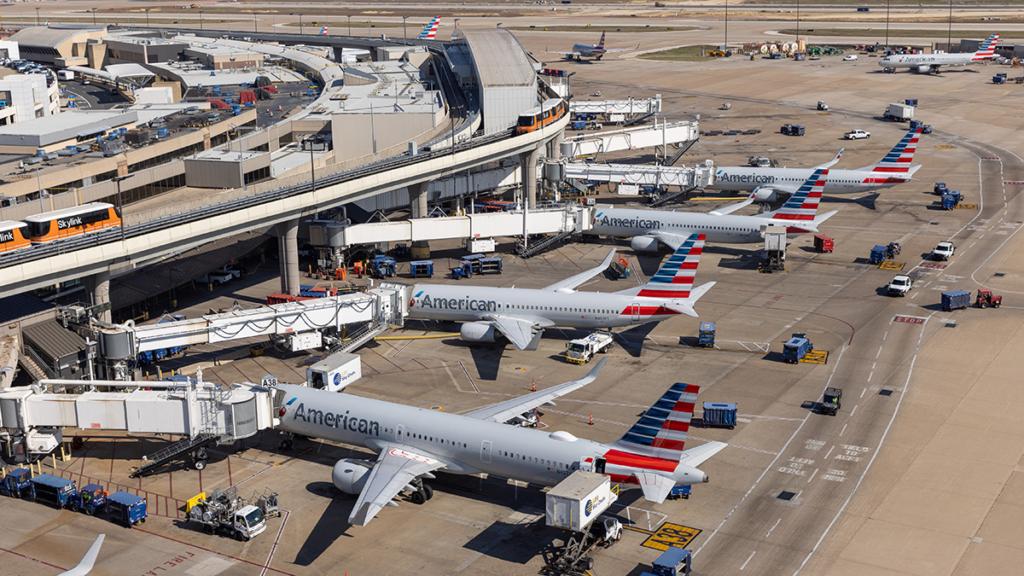
- American Airlines passengers were most heavily impacted due to the airline’s major hub presence at DCA.
(WASHINGTON, D.C.) – If your Memorial Day trip touched Ronald Reagan Washington National Airport, a long FAA ground stop likely meant missed connections, late departures, and a messy afternoon on the tarmac. Once the restriction shifted to a ground delay, flights could still move, but on the FAA’s schedule, not yours.
The better bet for travelers is simple: keep the airline app open, check the FAA status page, and assume any departure out of Reagan National can slide during a flow-control event. American Airlines flyers had the most reason to watch closely, since American operates a large share of the airport’s schedule.

Ronald Reagan Washington National Airport saw an FAA ground stop on Memorial Day that lasted more than an hour before changing to a ground delay for the rest of the afternoon. Passengers were notified of the disruption as the airport worked through the backlog.
The difference between those two labels matters. A ground stop means flights headed for the airport are held where they are or kept from departing. A ground delay allows flights to move, but their takeoff times are staggered to match limited arrival capacity.
The FAA National Airspace System status page showed active management of several airport flow-control programs that day. That suggests Reagan National was not the only airport under pressure, and other airports could have faced ground stop or ground delay programs later in the day.
American Airlines passengers had one more reason to pay attention. Reagan National is a major American hub, especially for short-haul East Coast flying. A ground stop there can ripple through same-day connections, upgrade lists, and mileage runs built around tight schedules.
| Feature | FAA Ground Stop | FAA Ground Delay |
|---|---|---|
| What it does | Halts or holds flights bound for the airport | Delays departures so arrivals stay within limits |
| Traveler impact | Sudden cancellations, missed connections, long waits | Late takeoffs, but flights still depart in order |
| Typical use | Runway issues, weather, congestion, or capacity limits | Managing arrival volume when the airport is overloaded |
| Reagan National example | Over an hour on Memorial Day | Applied for the rest of the afternoon |
The timing points to a classic holiday-travel crunch. Memorial Day is one of the busiest air travel periods of the year, and Washington-area flying often runs tight because of constrained airport capacity and short-haul banks. When the FAA slows traffic into Reagan National, the effect shows up fast on departures and turns.
American Airlines flights are especially exposed when Reagan National slows down. The carrier runs a dense schedule there, with frequent shuttle-style flights to business markets such as New York, Boston, Chicago, and Charlotte. If one arriving aircraft is late, the next departure can slide with it.
That can hit mileage and points plans in a few ways. A delayed nonstop can push you into a later connection, which may force a new fare search or a same-day change. If you were chasing elite status on an American itinerary, a delay can also disrupt the sequence of flights you planned to take in one day.
Cash tickets and award tickets face the same operational reality, but rebooking rules differ. On many irregular operations, airlines prioritize getting you to the destination rather than preserving the exact routing. Award travelers should still check whether the itinerary remains intact before accepting a change, especially on itineraries with short connection times.
Passengers who were already at Reagan National had the hardest choice. Waiting for the flight often made sense if the trip stayed nonstop. Missed business meetings, hotel check-ins, and cruise departures changed the calculus quickly once the ground delay stretched through the afternoon.
Choose a ground delay if the flight is merely late and your connection is generous. Choose a rebooking if the itinerary depends on a tight connection, a last flight of the day, or a same-day arrival for an event. At airports like Reagan National, the difference between delay and disruption can be one gate change away from a missed trip.
The likely timeline was straightforward. The FAA issued the ground stop, traffic into Reagan National paused, and arriving flights backed up. After more than an hour, the airport moved to a ground delay, which let the FAA meter traffic instead of freezing it outright.
That sequence usually means conditions improved, but not enough to restore normal operations immediately. Airlines then work through held departures, reposition aircraft, and try to protect onward banks. On a holiday Monday, those ripples can last well into the evening.
Travelers can monitor this kind of disruption in real time by checking the FAA National Airspace System status page, the airline app, and airport alerts. Airport screens often lag behind the FAA by a few minutes, and airline push alerts usually arrive first when a gate or departure time changes.
Reagan National flyers should also watch for weather and airspace restrictions elsewhere in the system. The FAA status page can show multiple airport flow-control programs at once, and a problem in one city can snowball into a delay in Washington. That is especially true on busy travel days, when aircraft and crews are already stretched.
Memorial Day travelers have one more practical edge: keep buffer time on both ends of the trip. A same-day meeting, a cruise departure, or a connection with a short layover leaves little room once the FAA starts managing traffic. A longer connection and a flexible fare often beat the lowest price when the airport is under pressure.
Reagan National’s Memorial Day ground stop was brief on paper, but it still set the afternoon schedule. If you are flying American Airlines or any carrier into DCA during a holiday rush, check the FAA status page before heading to the airport, and recheck it when your boarding time starts to slip.