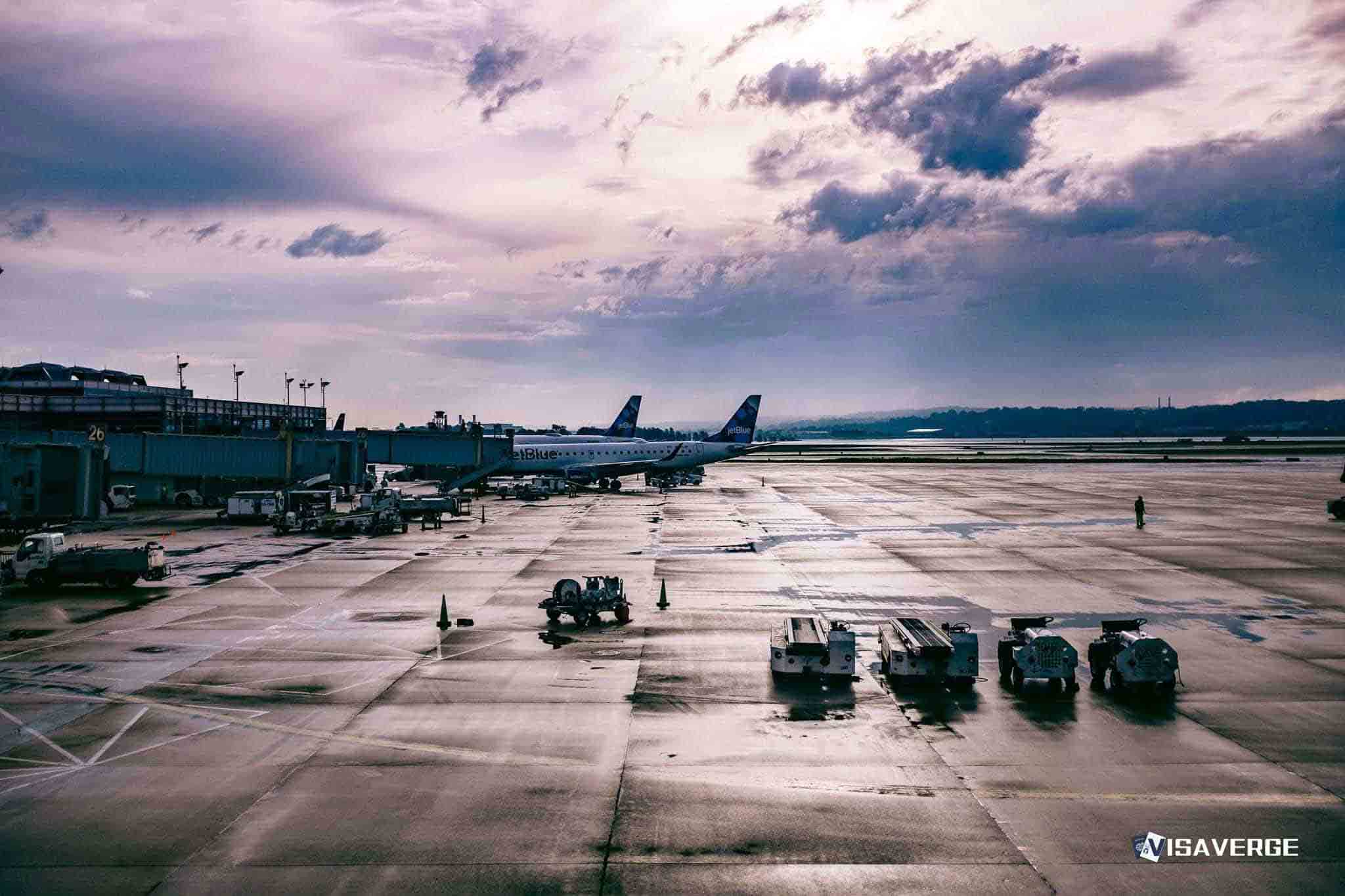
- The FAA lifted ground stops at three major Washington-area airports following a disruption at a control facility.
- A strong chemical smell reported at Potomac TRACON in Virginia triggered the initial equipment outage.
- Passengers continue to face residual delays of three hours or more while flight schedules recover.
(WASHINGTON-AREA, VIRGINIA) — The FAA lifted a ground stop at three Washington-area airports at 7:45 p.m. on March 13, 2026, after an earlier disruption tied to a strong chemical smell at a key air traffic control facility.
Reagan National (DCA), Dulles International (IAD), and Thurgood Marshall Baltimore-Washington International (BWI) all returned to normal traffic management status once the FAA ended the restriction, though airlines and passengers continued to face residual delays.
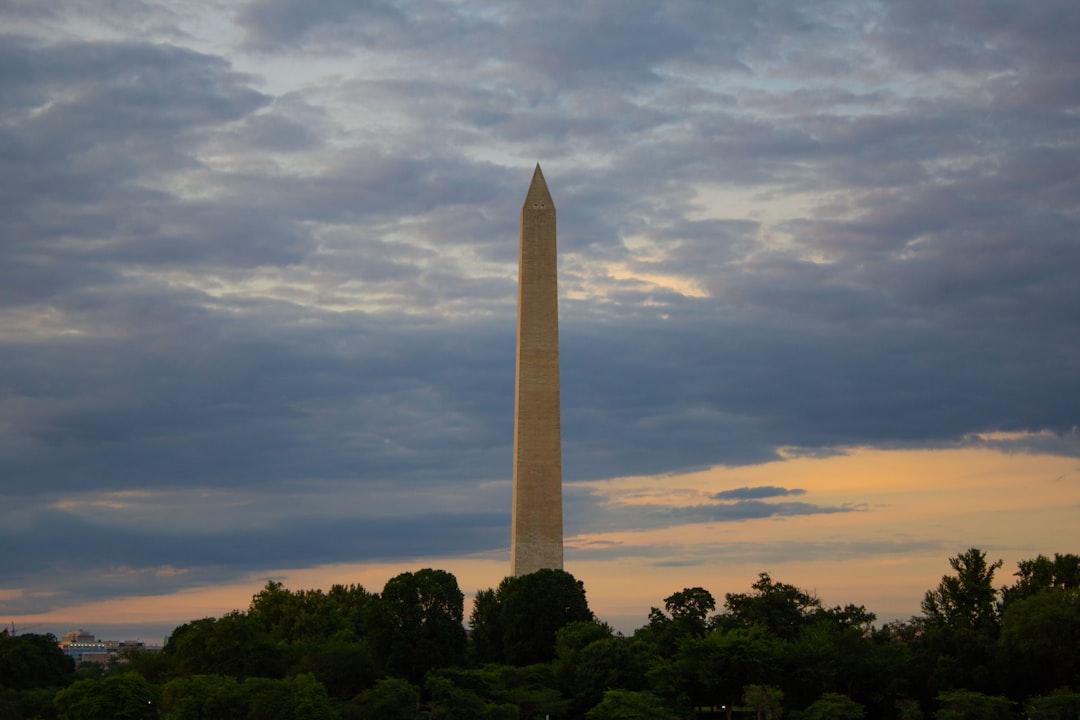
Friday’s ground stop, a measure that halts some or all departures for a destination or region, came after reports of a strong chemical smell at Potomac TRACON in Warrenton, Virginia, triggering an equipment outage that affected air traffic controller operations.
Potomac TRACON plays a central role in sequencing and separating aircraft in the region’s busy airspace, including the Baltimore-Washington and Richmond-Charlottesville areas. When its equipment or operating environment becomes compromised, the FAA can slow or stop traffic to keep aircraft separated while controllers work through constraints.
The odor report at the Warrenton facility forced traffic management actions that quickly rippled into the Washington area’s main commercial airports, where tightly timed departure banks depend on steady arrival and departure flows.
Transportation Secretary Sean Duffy confirmed the ground stop impacted the three Washington-area airports. During the restriction, Dulles reported departure delays of 90 minutes and rising.
A ground stop’s end does not mean schedules instantly return to normal. Airlines must untangle departure queues, reposition aircraft, and rebuild crew and gate plans, often while the airspace system remains metered to manage demand.
Dulles, in particular, saw delays build as aircraft accumulated on the ground and in the broader network. As the backlog grew, the wait for a departure slot extended, complicating connections and pushing later flights deeper into delay.
Even after the FAA lifted the ground stop, delays of up to 3 hours or more persisted into late Friday night and Saturday morning at the affected airports. Those extended disruptions reflected the time needed to work off the backlog, not a continuation of the stop itself.
Cascading effects often follow a stop because aircraft end up out of position for later routes, especially when earlier legs cannot depart on time. Crew duty limits can also become a binding constraint, forcing schedule changes as the night wears on.
Arrival and departure rates can remain constrained after a disruption as controllers and airline operations centers balance safety margins with the pressure of pent-up demand. Recovery can be uneven, with some flights moving quickly while others wait longer for gates, crews, or airspace access.
Richmond International Airport also faced a ground stop that the FAA lifted by 7:45 p.m. The timing aligned with the return to service in the broader region after the Potomac TRACON disruption.
Philadelphia International Airport experienced a related ground delay attributed to equipment issues, and that delay was resolved. The FAA treated it as a separate equipment-related disruption while the Washington-area restrictions were still in effect.
The episode underscored how closely linked East Coast airspace can be, with flow decisions at one facility influencing routings and arrival patterns elsewhere. When a hub of air traffic control capacity falters, controllers and traffic managers often reroute or meter traffic to maintain safe spacing.
FAA officials continued investigating the source of the odor at Potomac TRACON. The agency’s focus remained on restoring and sustaining safe operations as traffic resumed across the region’s major airports.