Saudi Arabia reopened King Khalid International Airport on Sunday, October 25, after a two-week shutdown, while the Saudi-led coalition said it intercepted a Houthi Ballistic Missile headed toward the capital. The Houthis claimed their first attack in a three-wave barrage had “successfully achieved its objective,” but no confirmation connected that claim to an impact at the airport.
The renewed threat came on the airport’s first day back. Houthi military spokesman Yahya Saree called Riyadh Airport “unsafe” and a “military target,” warning airlines, staff and travelers against using it.
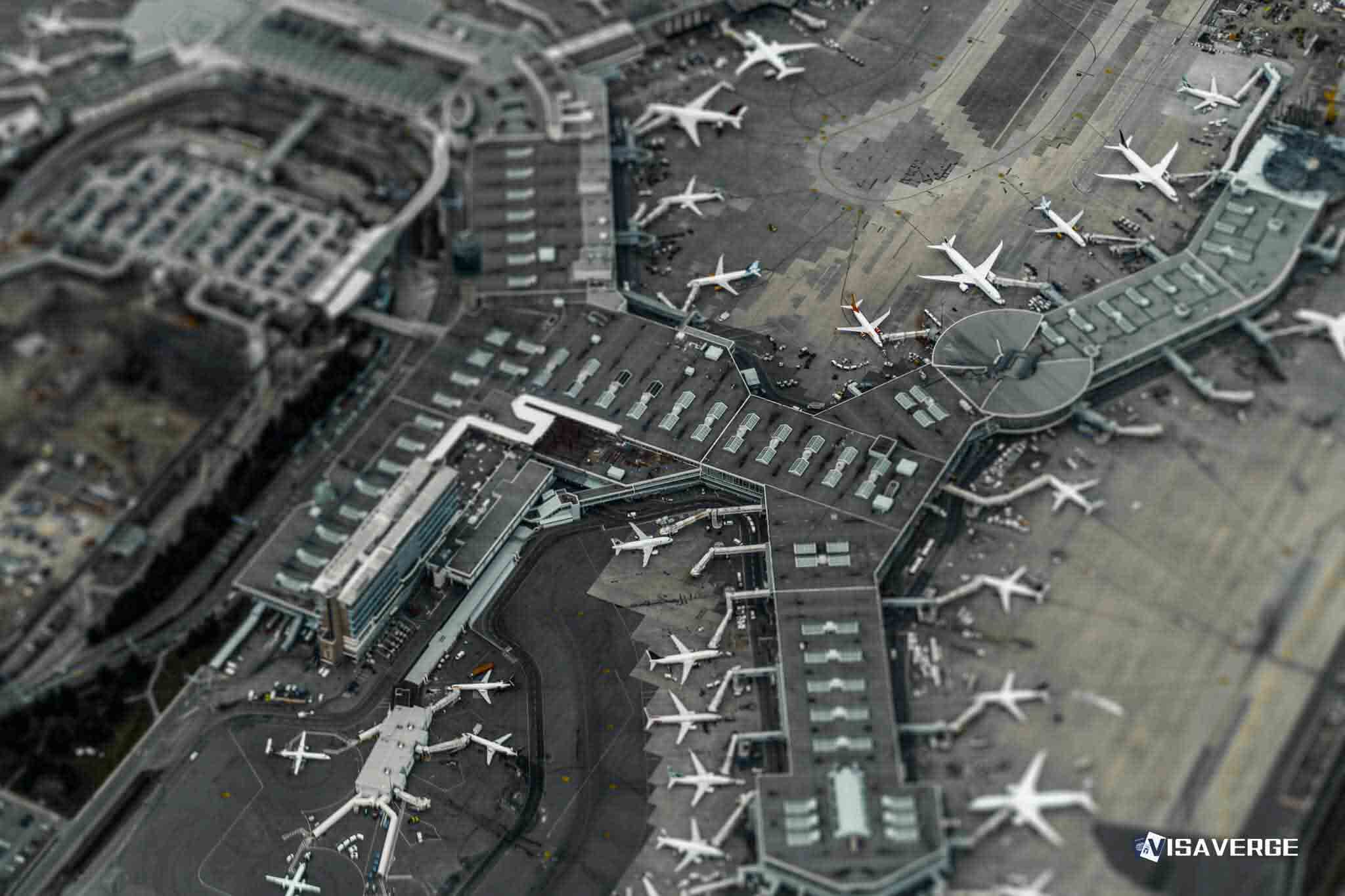
The coalition said air defenses also downed two drones in the Riyadh area. Saudi military spokesman Maj. Gen. Turki al-Malki said forces intercepted and destroyed a missile and a drone early Sunday.
The airport announced that terminals 1 and 2 would handle domestic and international flights, respectively. But tracking data showed little traffic that day, even as a monitoring service recorded a plane taking off early in the morning.
Saudi defenses reported intercepts as attacks spread south
Saudi authorities reported further launches across the kingdom. The coalition said it stopped 12 missiles and two drones on Sunday, including a ballistic missile and two drones aimed at the Riyadh region. In a separate account, it said forces intercepted 10 ballistic missiles fired toward southern Saudi Arabia.
A cruise missile aimed at the southern city of Khamis Mushait was also intercepted, the coalition said. Civil Defense reported that falling debris from two intercepted missiles injured a Saudi citizen and an Asian resident in Khamis Mushait and Ahad Rafidah governorates.
Debris damaged three residential buildings and seven vehicles. Emergency alerts went out for Riyadh, Abha, Khamis Mushait, Jazan and Najran before authorities said the danger had passed minutes later. Further warnings during the day covered areas in Taif and Namas, as well as Abha and Jazan.
A resident of Khamis Mushait, speaking anonymously, described the blasts:
“The bombardment has been very heavy since this morning — may God keep us safe. Everything is shaking because of the explosions.”
Check the flight and terminal before setting out
The airport said terminals 1 and 2 reopened for domestic and international flights on Sunday. A late Saturday announcement assigned Terminal 1 to domestic departures and Terminal 2 to international flights operated by national carriers. Limited domestic service had resumed the previous week.
Passengers with bookings should take three steps before traveling:
- Confirm directly with the airline that the flight is operating.
- Check the terminal shown on the booking or provided by the airline: Terminal 1 for domestic flights and Terminal 2 for international flights operated by national carriers.
- Recheck the flight before leaving, since the airport’s Sunday reopening coincided with continuing missile and drone alerts.
The airport’s reopening announcement did not indicate that service had returned to normal. Flightradar24 data showed little traffic on Sunday, though the monitoring site recorded one early departure. The two-week closure followed a series of Houthi attacks that caused deaths and injuries.
The Houthis told airlines to stay away
Saree urged local, regional and international airlines, along with airport workers and travelers, not to use the hub. He also warned against Saudi airspace, while excluding the airspace over Mecca and Medina.
“The Yemeni Armed Forces warn all international, regional and local airlines — as well as staff and travellers — against using King Khalid Airport in Riyadh, as it is unsafe and serves as a military target for our forces.”
Saree added that “The Saudi regime shall bear the consequences of any operations at the airport.” A Houthi military source also warned civilians and workers not to approach Saudi oil facilities and cautioned Saudi Aramco shareholders about potential losses if they held shares.
The Houthi group said its Sunday barrage involved dozens of ballistic missiles in three attacks. It named the Riyadh airport as the first target, and also claimed strikes on King Khalid Air Base in Khamis Mushait and a Saudi Border Guard naval base in Jazan. The group said the attacks answered Saudi strikes in Yemen. The claims do not establish that the missiles reached their intended sites.
The latest barrage followed a deadly airport assault
The closure followed a Houthi-claimed attack on October 10. One account put the toll at 13 dead and more than 300 wounded. The Associated Press account cited in the research gave a toll of 17 dead and more than 330 injured at a complex housing two other airport terminals. The OIC’s Independent Permanent Human Rights Commission referred to the October 10, 2026, attack as killing 12 civilians and injuring 309 others.
The Saudi-led coalition said the Houthis launched 20 attacks on the airport between October 1 and 11. The commission condemned the repeated missile attacks, saying deliberate attacks on civilians or civilian objects constitute a war crime, and called for coordinated measures to deter further attacks and ensure accountability.
The violence has also reached other locations. Saudi civil defense said falling debris landed in the Mecca and Medina regions on Saturday after two missiles were intercepted. The Houthis denied targeting the two cities, calling the Saudi account a “huge lie.” In Yemen, the group said it targeted a naval base and military camp overseen by Saudi forces in Aden. A local security official reported explosions in the Salah al-Din area, but no immediate casualties or damage.
Arab League Secretary-General Nabil Fahmy met UN Secretary-General Antonio Guterres in Cairo on Sunday and said the league rejected attacks on Arab countries, expressing solidarity with Saudi Arabia and its right to defend its security and sovereignty. The renewed fighting has broken a UN-brokered truce that had largely held since 2022. The Houthis’ advance along Yemen’s Red Sea coast has brought them closer to the Bab el-Mandeb Strait, a key shipping route for Gulf oil producers.