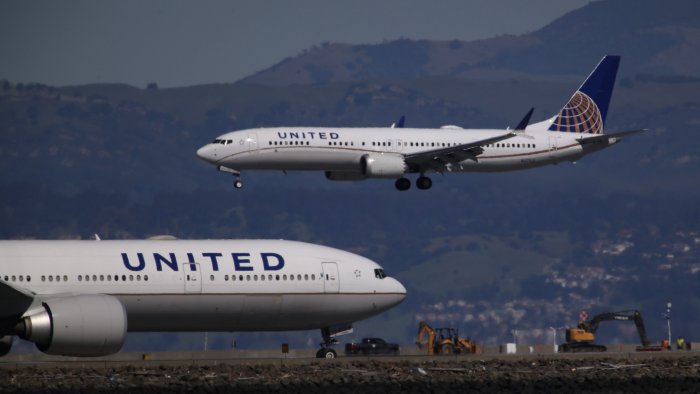
(WASHINGTON, D.C. (DCA)) The FAA on Sunday, October 12, 2025, put a Ground Delay Program in place for three major Northeast airports as a Nor’easter storm pushed steady rain, low clouds, and gusty winds across the Mid-Atlantic and New England. The measures cover Washington Reagan National (DCA), Newark Liberty (EWR), and Boston Logan (BOS), and are aimed at keeping flights safe while managing reduced runway capacity and visibility.
Average delays are running from roughly 20 minutes to more than an hour, with the potential for longer waits if weather conditions worsen.
Details of the Ground Delay Programs
At Reagan National (DCA):
– Program started at 12:30 p.m. EDT and is expected to continue through approximately 11 p.m. EDT.
– Arrivals limited to 26 per hour.
– Average arrival delays: around 26 minutes.
– Maximum delays: up to 72 minutes.
– Applies to flights departing from the contiguous United States ?? and select Canadian airports (Toronto, Montreal, Ottawa, Quebec City) ??.
At Newark Liberty (EWR) and Boston Logan (BOS):
– Ground Delay Programs are active and regulate arrivals from across the United States and parts of Canada.
– Programs are intended to manage arrival flow during degraded weather conditions (reduced visibility and runway throughput).
The FAA and airlines are reassessing conditions throughout the day and may adjust or lift restrictions if the weather improves.
Airport impacts — what travelers should expect
- Gate holds and extended taxi times.
- Possible re-routes and last-minute gate changes.
- Disruption affects domestic and select international flights, with ripple effects at departure airports outside the storm zone.
- Average delays reported today range 20–70 minutes, with the possibility of longer delays if the storm worsens.
Travelers are urged to:
– Check with their airline frequently before leaving for the airport.
– Monitor mobile alerts for gate or departure changes.
– Allow extra time for connections, and consider later flights if airlines offer no-fee changes.
Weather conditions and timing
The Nor’easter storm is producing steady rain and low clouds across the region, which:
– Lowers ceilings and visibility.
– Requires greater spacing between aircraft on approach.
– Reduces runway capacity and throughput.
The FAA expects conditions to gradually improve overnight into Monday as the system moves northeast. Adjustments to the programs will depend on real-time weather updates and airport performance.
Staffing and operational context
While weather is the primary cause, the situation is compounded by air traffic controller staffing shortages amid the current government shutdown. Effects include:
– Increased sick calls and reduced tower staffing at several major airports (including Newark and Boston).
– Fewer controllers available to manage complex traffic during bad weather.
– Reduced flexibility for handling bursts of arrivals and departures.
The FAA reports it is closely monitoring and adjusting arrival and departure rates to maintain safety.
Advice for connecting and time-sensitive travelers
If you have tight connections through DCA, EWR, or BOS:
– Build in additional time and consider moving to a later connection if your airline allows no-fee changes due to the storm.
– Expect higher chances of missed onward flights; airlines may implement systemwide waivers to help rebook affected passengers.
Airline operational responses may include:
1. Holding departures at origin airports.
2. Swapping aircraft or consolidating lightly booked flights.
3. Prioritizing safety and schedule stability.
For travelers with special needs (families, elderly, medical):
– Ask for assistance early at the gate—agents can provide updates and rebooking options.
Practical tips and steps to reduce stress
According to VisaVerge.com, travelers can take these three simple steps:
1. Verify flight status directly with the airline app every 30–60 minutes.
2. Avoid checking bags if possible to keep rebooking flexible.
3. Consider airport lounges or quiet zones if delays exceed an hour.
VisaVerge.com also notes that during weather events, airlines often loosen same-day change rules for affected routes.
Considerations for international itineraries
- The Ground Delay Program can delay your first leg and create pressure on downstream international departures.
- If your itinerary includes tight transfers, call your airline to review alternatives before heading to the airport.
- Some carriers will move passengers to flights with longer connection windows on days with active FAA programs.
Important reminders and final notes
- The FAA emphasizes that safety remains the top priority. Ground Delay Programs exist to prevent airborne holding, reduce congestion, and keep aircraft spacing safe when weather limits capacity.
- The FAA is coordinating with airlines and airport operators and will continue to fine-tune arrival and departure rates as the Nor’easter storm evolves.
- For official program status and national advisories, check the Federal Aviation Administration for authoritative updates.
As the day progresses, keep an eye on airline notifications and weather outlooks. Conditions are expected to slowly improve into Monday, which may allow the FAA to ease restrictions overnight. Until then, expect longer lines at check-in and security, crowded gate areas, and frequent delay updates—especially at Washington Reagan National, Newark Liberty, and Boston Logan.
If you’re flying today, pack patience, snacks, and a portable charger, and keep your phone handy for rebooking notices.
This Article in a Nutshell
On October 12, 2025 the FAA instituted Ground Delay Programs at Reagan National (DCA), Newark Liberty (EWR) and Boston Logan (BOS) as a Nor’easter produced rain, low clouds and gusty winds across the Mid‑Atlantic and New England. The measures limit arrivals—DCA capped at 26 per hour—with average delays from roughly 20 minutes to over an hour and maximum arrival delays up to 72 minutes. Similar programs at EWR and BOS manage reduced visibility and runway capacity. Controller staffing shortages linked to the government shutdown have exacerbated disruptions. Travelers should monitor airline updates frequently, allow extra time for connections, avoid checking bags if possible, and expect gate holds, re‑routes and extended taxi times. The FAA will reassess and may lift restrictions as conditions improve overnight into Monday.