- Airlines are now restricting portable battery usage to prevent dangerous thermal runaway incidents in the cabin.
- Most carriers currently cap batteries at two units with a maximum capacity of one hundred watt-hours.
- New safety protocols prohibit recharging batteries while airborne and require storage in plain sight.
Airlines are restricting how passengers carry, store and use portable batteries after a rise in lithium-battery incidents on aircraft. The broad rule is simple: keep them in the cabin, not checked luggage, and do not recharge them during a flight.
The changes affect passengers carrying devices for phones, tablets and other electronics. Many airlines now cap passengers at two units, while some carriers have imposed stricter storage rules or lower limits.
Free toolB1/B2 Tourist Visa Stay Calculator online
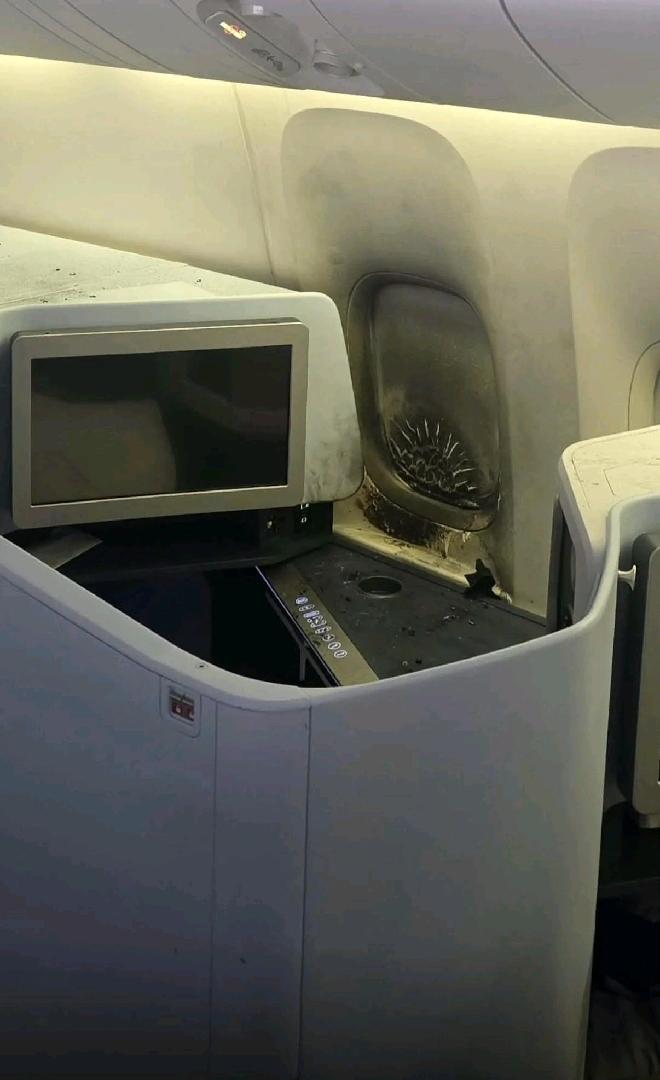
The safety concern is thermal runaway. A damaged or defective lithium battery can overheat, smoke or ignite, and a fire in a cargo hold is harder for crews to detect and contain.
The rules are already changing at major carriers. Qantas, Emirates, Cathay Pacific and Singapore Airlines prohibit passengers from charging these batteries while airborne. A Lufthansa-linked group requires them to remain in a seat pocket, under the seat or on the passenger’s person, rather than in an overhead bin.
The International Civil Aviation Organization recommended in March that passengers carry no more than two batteries for personal use and not recharge them during flight. The guidance later entered the 67th Edition of the IATA Dangerous Goods Regulations.
A battery in checked luggage can trigger a safety problem
Airlines and aviation authorities generally require portable lithium batteries to travel in carry-on luggage. Passengers must remove them before checking a bag, including when an airline takes a carry-on at the gate because overhead bins are full.
That gate-check step is now a common point of risk. A traveler who leaves a battery inside the bag can create a serious safety violation under the tightened procedures.
The cabin requirement gives crew members a better chance to spot smoke or heat. Some carriers go further by requiring passengers to keep the devices in a personal item or seatback pocket instead of an overhead compartment.
The same logic applies to onboard use. Airlines are increasingly banning passengers from plugging a battery into an aircraft seat outlet or USB port. Some also prohibit using the battery to charge a phone or another device during the flight.
Capacity determines which batteries can travel
The standard threshold is 100 Wh or less per battery. These units usually travel without advance airline approval.
Batteries above that level may still qualify, but the passenger typically needs permission. Anything over 160 Wh is generally prohibited in passenger baggage.
| Battery capacity | Typical passenger rule |
|---|---|
| 100 Wh or less | Usually permitted without advance approval |
| More than 100 Wh and up to 160 Wh | Typically requires airline approval |
| Over 160 Wh | Generally banned from passenger baggage |
Passengers should check the Watt-hour rating before leaving for the airport. Batteries without a clear rating on the casing are increasingly being surrendered at security checkpoints.
The rules also affect some medical equipment. Older or larger batteries used by senior travelers may now fall under stricter dangerous-goods classifications, making the capacity and labeling especially important.
A separate 2026 requirement covers batteries shipped with equipment rather than ordinary passenger carry-on devices. As of Jan 1, 2026, those batteries must have a State of Charge of 30% or less.
A February fire accelerated airline restrictions
A passenger’s battery caught fire in her lap on Alaska Airlines Flight 2117 on February 22, 2026. The incident hospitalized one person and forced the aircraft to make an emergency landing.
Southwest Airlines tightened its policy afterward. On April 20, 2026, it limited passengers to one battery each, barred storage in overhead bins and prohibited onboard recharging.
American Airlines adopted a different cabin-control approach on May 1, 2026. It limited passengers to two chargers and required them to remain in “plain sight,” such as a seatback pocket, rather than inside an under-seat bag or overhead compartment.
The policies do not look identical. The common thread is access: crews need to reach a smoking or overheating battery quickly.
Incident numbers are pushing the industry toward containment
The Federal Aviation Administration recorded 97 verified lithium battery incidents involving smoke, fire or extreme heat on U.S. flights in 2025. The count rose from 89 in 2024 and 76 in 2023.
Reported thermal runaway incidents in air cargo increased by 40% between 2021 and 2025. The rise has been linked to the volume of low-cost, battery-powered consumer goods moving through air freight.
The heat can rise rapidly. In a thermal runaway event, internal cell temperatures can reach 500–700°C within seconds, potentially igniting materials inside an aircraft.
Authorities in London said July 15 that they were monitoring 643 lithium battery incidents as travelers prepared for the 2026 summer peak.
The danger is not limited to large external batteries. Any lithium cell can become a problem if it is damaged, defective or short-circuited, which is why aviation guidance increasingly treats portable batteries as spare lithium batteries rather than ordinary accessories.
Japan and international guidance are setting the direction
Japan strengthened its rules on April 24, 2026. Passengers there face a two-battery limit, a maximum capacity of 160 Wh, a ban on checked-baggage carriage and a prohibition on charging during the flight.
The international recommendation issued in March calls for two units maximum and no onboard recharging. Individual airlines can impose stricter conditions, as Southwest’s one-unit limit shows.
Passengers therefore need to check the operating carrier’s policy, not just the general airport rule. A battery that meets the 100 Wh threshold may still face a carrier-specific storage or use restriction.
Security screening is catching more non-compliant batteries
The global rollout of 3D CT scanners at security checkpoints began expanding in early 2026. The scanners can identify non-compliant batteries and electronics concealed in luggage, contributing to higher confiscation rates.
The technology does not replace the passenger’s responsibility to inspect a bag before screening. A battery with no visible Watt-hour rating can still be rejected even when its physical size appears modest.
Travelers who must check a bag should search every compartment first. The same inspection applies to a carry-on selected for gate checking.
Airlines are treating these devices as higher-risk lithium equipment, not routine accessories. That shift leaves passengers with three practical limits to remember: cabin carriage, capacity control and no charging in the air.