- Severe thunderstorms trapped nine aircraft on the Raleigh-Durham taxiway for over three hours during arrival procedures.
- Dallas-Fort Worth became the global leader in cancellations on July twelfth following an F-A-A ground stop.
- American Airlines issued severe weather waivers allowing passengers to rebook travel through July sixteenth without additional fees.
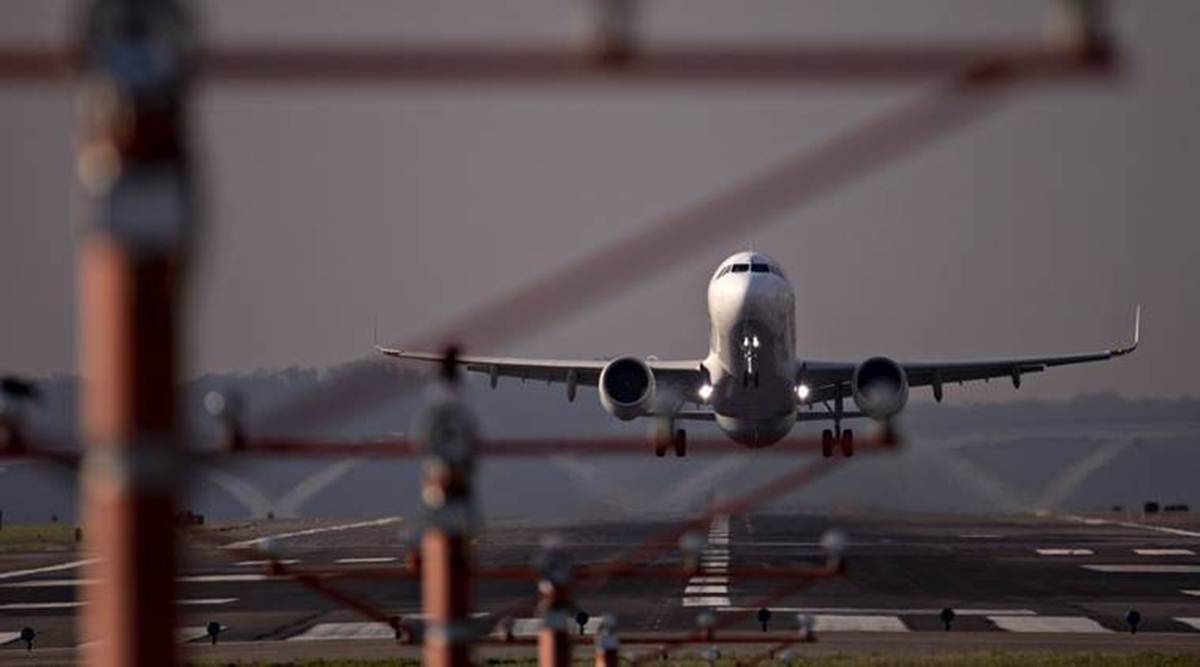
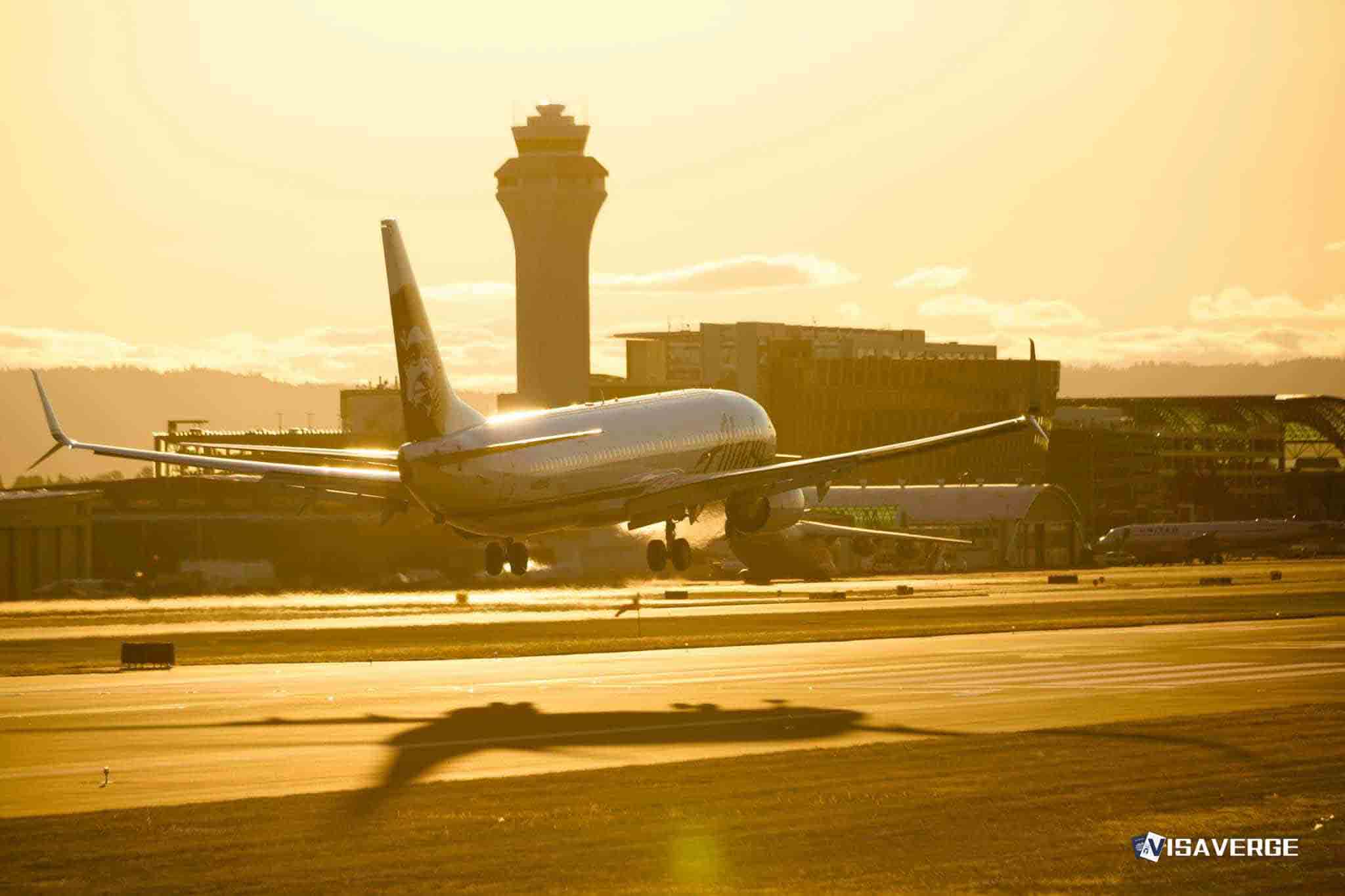
Severe thunderstorms held nine American aircraft on the taxiway at Raleigh-Durham International Airport, but the disruption did not stop every flight at the North Carolina airport. Passengers on several arrivals waited more than three hours before reaching open gates.
American Airlines also faced a broader weather crisis on July 12 and July 13, with the largest documented cancellation cluster centered at Dallas-Fort Worth International Airport. The Federal Aviation Administration issued a ground stop there as thunderstorms moved across the region.
Free toolB1/B2 Tourist Visa Stay Calculator online
At Raleigh-Durham, the delayed aircraft included flights from Philadelphia, Dallas, Chicago, Miami, and New York. FlightAware recorded taxiway waits between 2 hours, 33 minutes and 3 hours, 13 minutes.
The airport said it coordinated with the carrier to bring the aircraft to gates “as quickly as the airline’s safety protocols would allow.” Lightning procedures kept crews and ramp workers from safely handling the planes sooner.
The Raleigh-Durham episode occurred on July 7. It formed part of a wider series of storm-related disruptions affecting major U.S. hubs during July, including airports in the New York area.
Dallas-Fort Worth recorded the largest cancellation total
Dallas-Fort Worth ranked first worldwide for departure cancellations on July 12, with 75 flights canceled. Delays affected 42% of departures at the airport that day.
The carrier recorded 51 cancellations and 1,107 delays across its network on July 12. By early July 13, it had added 27 cancellations, with most concentrated at Dallas-Fort Worth.
The FAA imposed the Dallas-Fort Worth restriction from 1:59 PM PDT to 3:15 PM PDT on July 12. The agency cited “convective weather,” the aviation term used for thunderstorms and related conditions.
The disruption spread well beyond Texas. A total of 8,740 delays occurred within, into, or out of the United States on July 12. United and Delta also reported disruption during the broader weather wave, while the carrier reported 37 cancellations in one separate period.
Diversions added pressure to the network
Several flights could not complete their planned arrivals. Flight AAL3025, traveling from Dallas to Eagle, diverted to Denver after weather disrupted its approach.
Two other flights diverted to Tulsa. They were Flight AAL2870 from Traverse City to Dallas and Flight AAL2934 from Wilmington to Dallas.
Passengers dealing with the Dallas disruption received a temporary rebooking option. The carrier issued a “severe weather” waiver for July 12 travel, allowing eligible customers to rebook through July 16 without change fees if they made the change on the day of the disruption.
The airline began trimming schedules after the storms
The weather problems arrived during what analysts described as nearly 100 consecutive days of elevated U.S. flight disruptions. That period began April 1, 2026, and has combined summer storms, air traffic control staffing shortages, and heavy demand following the “America 250” celebrations.
The airline moved toward more proactive schedule reductions after the Dallas-Fort Worth ground stop. Temporary route suspensions were planned from August through October 2026, including LAX to Washington Dulles and Charlotte to Sacramento.
Fuel-price volatility linked to the conflict in Iran also pushed the carrier to seasonally adjust parts of its domestic network. Those changes are separate from the airport-level delays caused by thunderstorms.
The FAA has also extended a 10% flight cut at Chicago O’Hare until October 2027 to reduce chronic delays. The limit allows roughly 2,708 daily operations at the airport.
What passengers should expect from the current disruption
The documented Raleigh-Durham event involved aircraft waiting for gates, not a complete airport shutdown. Storm procedures can hold an arriving plane after it lands, even when the aircraft has reached its destination.
The Dallas-Fort Worth event produced a broader network effect, including cancellations, delays, and diversions. The airport’s cancellation ranking and the carrier’s systemwide figures show how quickly thunderstorms can spread delays through a hub-and-spoke schedule.
Passengers with affected July 12 itineraries should check whether their booking qualifies for the severe-weather waiver and act within its stated conditions. Travelers departing Dallas-Fort Worth on July 13 should also check flight status before leaving for the airport, as the carrier had already recorded 27 new cancellations by early morning.