- JFK and three other major U.S. airports launched enhanced Ebola screenings for travelers from specific African nations.
- The 21-day monitoring window targets high-risk travel history regardless of the passenger’s nationality or residency.
- CDC officials will evaluate symptomatic travelers and may coordinate hospital transfers to prevent potential community spread.
(NEW YORK, NY) – JFK Airport will start screening passengers for Ebola if they recently visited the Democratic Republic of the Congo, Uganda, or South Sudan within the last 21 days. Travelers with symptoms will be evaluated by CDC officials and may be sent to a hospital for further care.
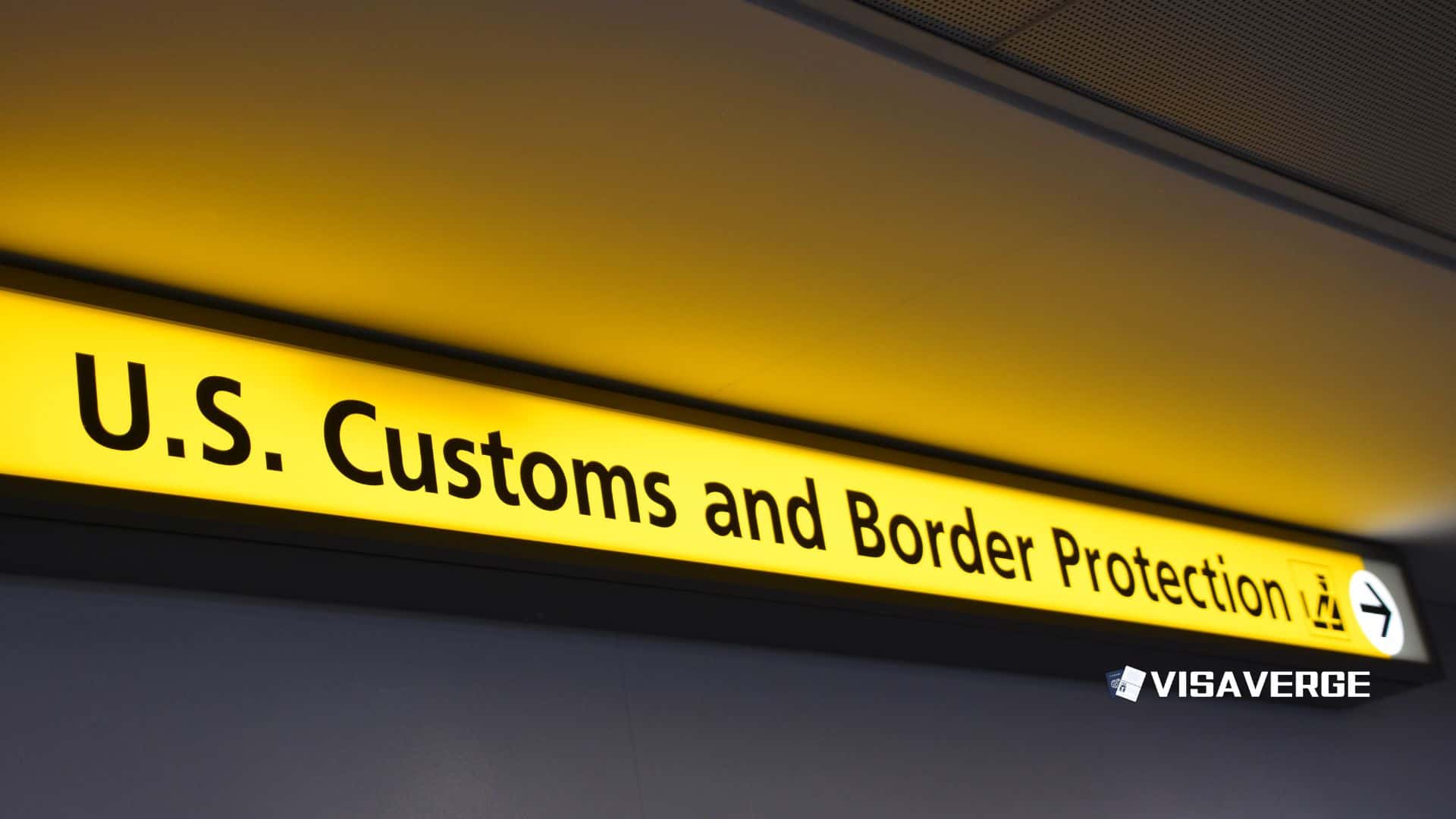
The checks are part of a wider U.S. response that also covers Washington-Dulles International Airport, Hartsfield-Jackson Atlanta International Airport, and George Bush Intercontinental Airport. At John F. Kennedy International Airport, the screenings were scheduled to begin after 11:59 p.m. Thursday, according to U.S. Customs and Border Patrol.
Passengers arriving from the affected countries should expect additional health checks on arrival. The screening applies to recent travel, not residency or nationality, and the trigger is a visit to one of the listed countries within the 21-day monitoring window.
The airport list matters because these are among the busiest international gateways in the United States. JFK handles heavy traffic from Africa, Europe, the Middle East, and Asia, which makes it a practical entry point for health screening tied to international arrivals. The same logic applies at the other three airports named in the federal plan.
The screening process is aimed at spotting symptoms early. Travelers who appear ill will be separated for evaluation by CDC personnel, rather than being processed through the normal arrival flow. Those who need more care may be taken to a hospital.
The procedure is different from a routine airport inspection. It does not target all arriving passengers, and it does not apply to travelers without recent visits to the three countries named in the plan. The check is tied to public health monitoring after travel in a specific region.
Ebola screenings are not a fare issue, but they can affect trip planning at the margin. International travelers connecting through JFK often have tight schedules, and any added arrival step can mean more time between landing and a ground transfer. That is especially relevant on long-haul itineraries where a missed connection can ripple through the rest of the day.
Travelers with planned trips through JFK, Dulles, Atlanta, or Houston should leave extra time on arrival if recent travel includes the Democratic Republic of the Congo, Uganda, or South Sudan. The screening window remains 21 days, and the arrival checks begin once the airport protocol goes into effect after 11:59 p.m. Thursday.
Airlines serving these routes will likely absorb the operational effect at the airport level, not through a schedule change. Passengers should still check flight status, connection times, and baggage plans before departure, especially on same-day international connections through one of the four airports named in the federal plan.
Travelers who have recently been in one of the affected countries should expect a health review on arrival and should be prepared for follow-up if symptoms are present. Those with onward connections through JFK or the other designated airports should build in a larger buffer before ground transport or a domestic departure.