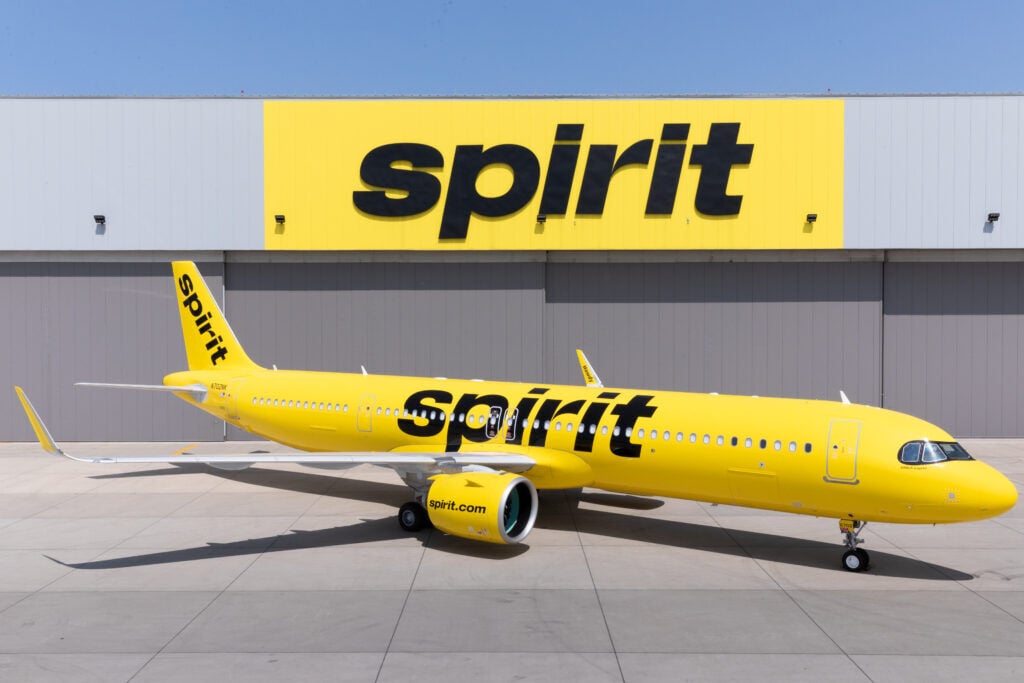
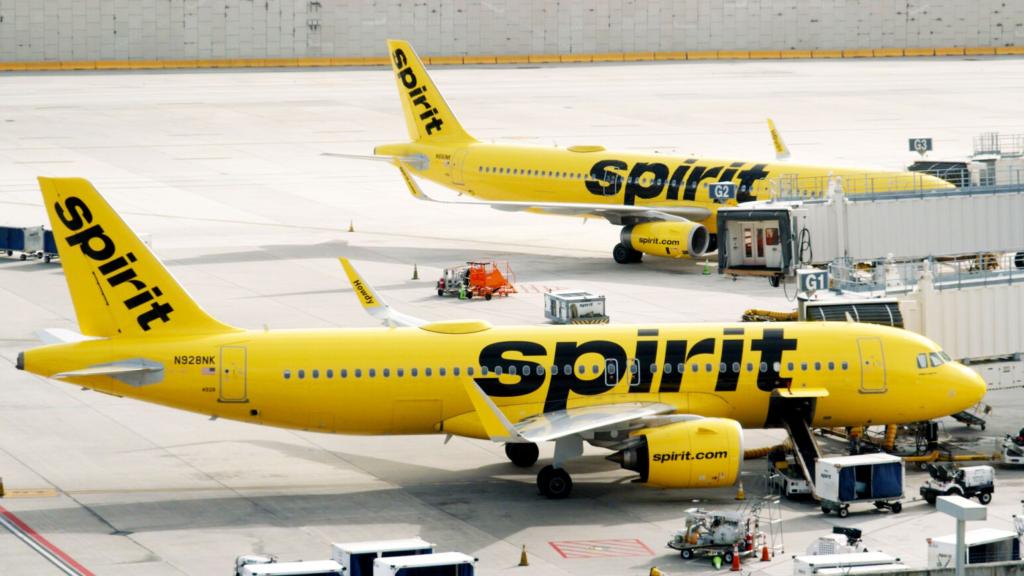
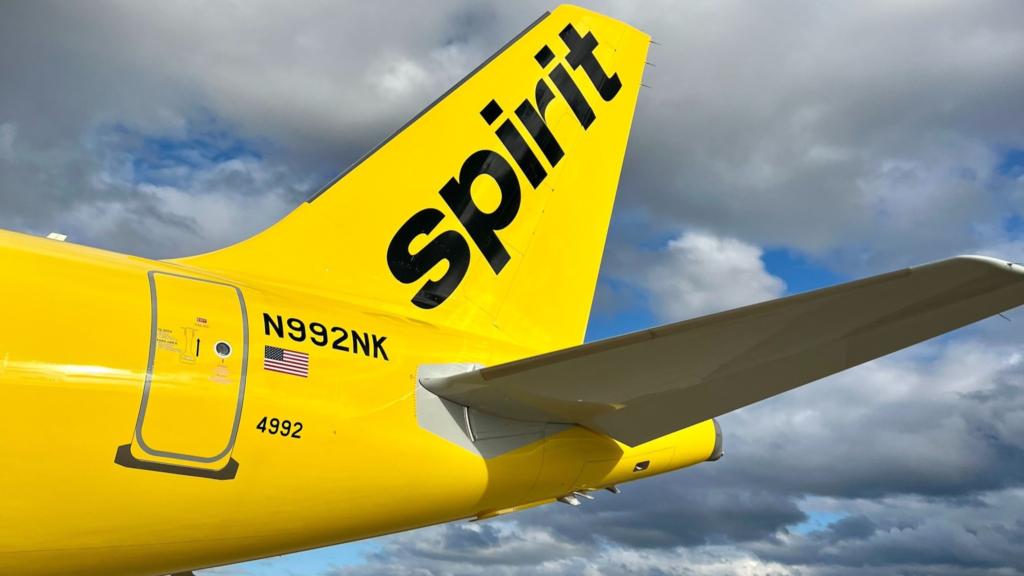
- Spirit Airlines officially ceased all flight operations on May 2, 2026, after failing to secure federal funding.
- The shutdown has stranded thousands of travelers across Central America, specifically impacting routes to Costa Rica and Guatemala.
- Major carriers like Avianca and United are offering emergency rescue fares to assist displaced passengers returning home.
(FLORIDA) – Spirit Airlines ceased all operations effective May 2, 2026, at 3 a.m. Eastern time, stranding thousands of travelers across Central America and abruptly ending the discount carrier’s links between Florida and several cities in the region.
The Florida-based airline said it had begun an “orderly wind-down of operations“ after failing to secure a $500 million federal bailout. The shutdown followed two bankruptcy filings since 2024.
Free toolB1/B2 Tourist Visa Stay Calculator online
Passengers with return tickets from Central America suddenly held bookings they could not use. Airports in Costa Rica, Guatemala, Honduras and Belize saw travelers crowd counters to find seats home on other airlines.
Spirit had operated nonstop service from U.S. East Coast cities to Costa Rica, Guatemala, Honduras and Belize. Its Costa Rica flights connected Fort Lauderdale and Orlando with San José at Juan Santamaría International Airport, while Guatemala service linked Fort Lauderdale and Orlando with Guatemala City.
In Honduras, the carrier flew from Fort Lauderdale and Orlando to San Pedro Sula and Comayagua. Belize service ran to Belize City.
Panama saw little direct disruption because Spirit had already suspended routes to Tocumen International Airport in late 2022 and never returned. El Salvador and Nicaragua had also fallen out of the airline’s network before the shutdown.
The collapse marked the first major U.S. airline to cease operations because of financial problems in a quarter century. Spirit’s exit was felt most quickly on leisure and family travel corridors that had depended on its low fares.
At Juan Santamaría airport in Costa Rica, which handled the largest share of Spirit’s Central America traffic, gate agents reported surges in walk-up bookings as passengers tried to rebook. Similar pressure hit Guatemala City, San Pedro Sula and Belize City.
Replacement ticket prices rose sharply. Some one-way fares topped $1,000.
Cirium aviation analytics data showed what often follows when Spirit leaves a market. Average fares jumped 23%, roughly $60 for a round-trip flight, and passenger volume fell 20% after the carrier exited a route.
Spirit said it would automatically refund flights booked directly through the airline to the original credit or debit card. The company announced Monday that it had issued refunds to most customers.
Travelers who bought tickets through third-party websites or agencies had to seek refunds from those sellers instead. Passengers holding vouchers, credits or Free Spirit points faced a harder path, with those claims routed through bankruptcy proceedings and no guarantee of recovery.
Avianca moved first on emergency rebooking in the region. The airline said it would provide free return flights from Central America to the United States between May 2 and May 16 on a space-available basis, with affected passengers paying only taxes and airport fees.
Those rebookings were handled directly at airport counters. The offer targeted stranded passengers already in the region, where the shutdown cut off some of the cheapest return options to the United States.
Other carriers rolled out temporary rescue fares as demand spiked. JetBlue offered $99 one-way rescue fares on select Florida routes for travelers who could show a Spirit itinerary, with the offer available for 72 hours.
United Airlines capped one-way fares for most cities where Spirit had flown, mostly at $199, with longer flights up to $299. That offer ran for two weeks.
Southwest Airlines made special fares available at ticket counters through 11:59 p.m. CDT on Wednesday, May 6. Delta offered reduced rescue fares in affected markets, while American, Frontier and other carriers placed temporary caps on fares or added capacity on overlapping routes.
Access to those prices came with paperwork. Travelers needed, at minimum, a Spirit flight confirmation number and proof of payment.
The shutdown leaves a wider effect than the immediate airport scramble. Spirit had built its business on ultra-low fares, and its presence pushed down prices even for travelers who chose other airlines, especially on routes between Florida and Central America.
That pricing pressure has now disappeared from those markets. Major carriers are expected to absorb much of Spirit’s former demand, but at higher price points.
Central America still retains strong connectivity with the United States through other airlines. The difference now is cost: one of the region’s most aggressive discounters has shut down, and passengers searching for cheap seats from Florida to Central America are entering a market with fewer low-fare options.