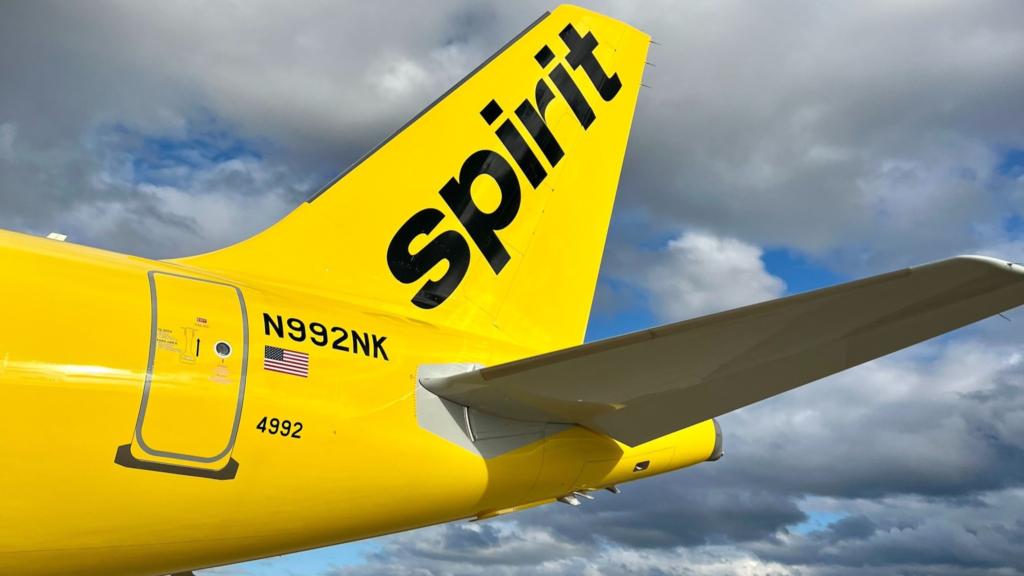
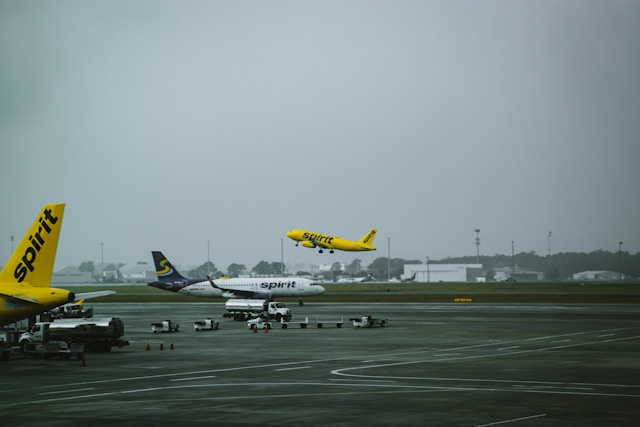
- Spirit Airlines ceased all operations on May 2, 2026, leaving 17,000 employees without immediate pay.
- A class-action lawsuit alleges WARN Act violations regarding the lack of 60-day advance notice for mass terminations.
- Former employees face intense job market competition as rising fuel prices slow hiring across major airline carriers.
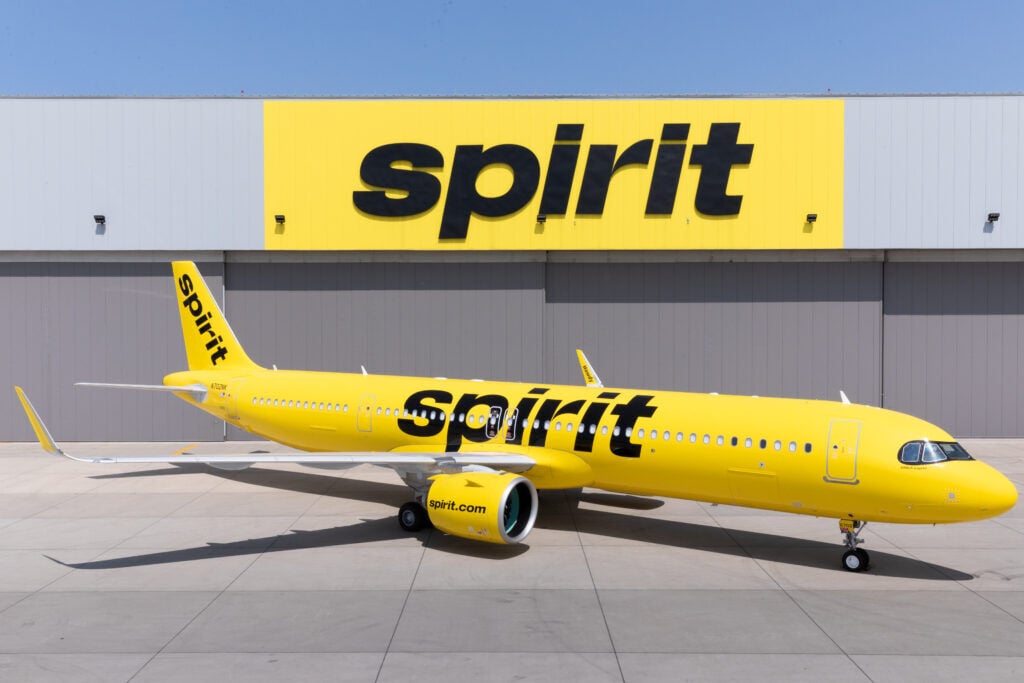
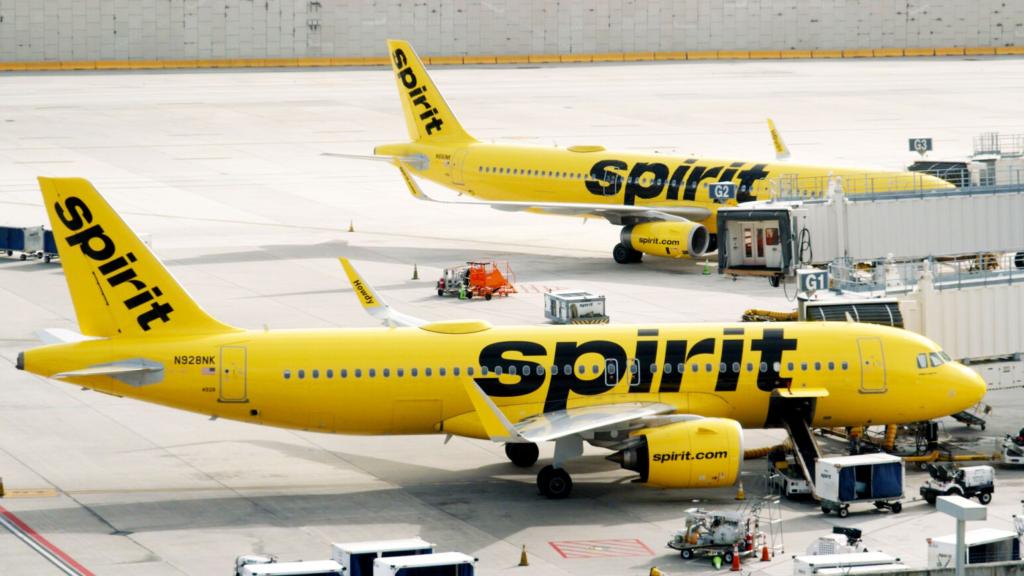
(UNITED STATES) — Spirit Airlines ceased operations on May 2, 2026, and about 17,000 employees lost their jobs overnight, leaving many former workers still waiting for final paychecks as the carrier’s liquidation moves ahead.
By May 21, 2026, many ex-employees had not received final pay, accrued vacation time or unused sick time, while a rush of applicants hit an aviation job market that has struggled to absorb so many displaced workers at once.
Free toolUSCIS Receipt Number Decoder
U.S. Transportation Secretary Sean P. Duffy led the federal response and said the administration had moved quickly to connect workers with other airlines. “The Trump Administration is committed to taking care of you and your family. In a matter of hours, we’ve activated our airline partners to ensure. Spirit’s workforce is connected to new job opportunities.”
Duffy said at a press conference at Newark Liberty International Airport on May 2, 2026 that some carriers had opened channels for former Spirit staff. “There’s a demand for aviation workers. Even American and United have crafted microsites for Spirit employees to potentially jump the line, jump the queue and get preferential treatment in the application process.”
He returned to the collapse a day later and tied it to earlier policy choices as well as broader pressures on the carrier. “Spirit was in dire straits long before the war with Iran. In blocking the JetBlue/Spirit merger in 2024, [the previous administration] turned their backs on the American consumer and our great aviation workforce.”
Court filings and federal statements outlined how abruptly the shutdown hit. A bankruptcy judge approved liquidation proceedings on May 5, 2026, clearing the way for the sale of aircraft and airport slots.
The regional toll was sharp in states where Spirit had large operations. Florida accounted for 4,853 employees across Broward, Miami-Dade and Orange counties, while Texas lost 959 employees, including 444 at Dallas-Fort Worth and 515 at Houston Intercontinental.
Those figures help explain why paycheck delays have become a flashpoint. Former workers have said the shutdown did not leave a transition period, and many remain without wages they expected to receive after the airline stopped flying.
The legal fight started quickly. On May 12, 2026, workers filed a class-action lawsuit, Dionne et al. v. Spirit Aviation Holdings, Inc., in the U.S. Bankruptcy Court for the Southern District of New York.
The suit alleges Spirit violated the federal Worker Adjustment and Retraining Notification Act, which generally requires 60-day advance notice of mass terminations. The filing also points to a gap between worker claims for unpaid compensation and management’s request for $10.7 million in retention bonuses for executives overseeing the liquidation.
That contrast has added to anger among former employees who also lost health insurance during the collapse. Workers seeking back pay now face a bankruptcy process in which assets are being sold while claims stack up.
Airlines including Delta and United have offered preferential interviews, but the hiring picture has tightened. Former Spirit employees are competing against thousands of peers with similar skills at the same time, and rising jet fuel prices, which exceeded $4.50/gallon because of the Iran conflict, have pushed other carriers to slow hiring.
The result is a bottleneck in a sector that often needs licensed, trained workers but does not absorb them instantly. Pilots, flight attendants, mechanics and airport staff all entered the market together after a single shutdown.
Spirit Airlines employees who are not U.S. citizens face an added layer of pressure. Federal immigration rules give some nonimmigrant workers up to 60 consecutive days to find a new employer or change status after a job loss under 8 CFR 214.1(l)(2).
That grace period offers temporary breathing room, but it does not stop the clock for workers whose lawful status depends on employment. A person on an H-1B or another employment-based nonimmigrant visa can lose status quickly if no new petition or status change follows.
Recent policy changes have raised the stakes. USCIS increased the issuance of Notices to Appear during 2025-2026 for workers who do not secure new employment or leave immediately after termination, making the first days after a layoff especially important for foreign national employees.
Some may have another option if they already hold an approved immigrant petition. USCIS says principal beneficiaries of an approved Form I-140 may seek a one-year Employment Authorization Document based on compelling circumstances, including a sudden job loss tied to a failing industry.
That relief is narrow, and it does not cover every worker affected by the shutdown. Still, it sits among the few formal channels available to employees who cannot move directly into a new sponsored job.
Duffy’s response focused on immediate placement efforts and on keeping workers from being stranded after the shutdown. His department said it coordinated with airlines and announced job assistance measures at Newark on the day Spirit stopped operating.
Those measures have not erased the timing problem now confronting former staff. Interviews and recruiting portals can open quickly; payroll disputes, benefit losses and a mass hiring slowdown can last for weeks.
The shutdown also landed unevenly across communities where Spirit had become a large employer. In Florida and Texas alone, the layoffs touched airport systems, contractor networks and households that depended on one airline paycheck.
Federal agencies have directed affected workers to public guidance rather than a single relief program. The Department of Transportation maintains updates through its [Newsroom](https://www.transportation.gov/briefing-room), while USCIS has posted immigration guidance at [Options for Nonimmigrant Workers Following Termination](https://www.uscis.gov/working-in-the-united-states/information-for-employers-and-employees/options-for-nonimmigrant-workers-following-termination-of-employment).
The U.S. Department of State also provides information through its [Support for Stranded Citizens and Workers](https://travel.state.gov) resources for people caught up in travel and employment disruptions. Those pages now sit alongside the bankruptcy case and the WARN Act litigation as former employees search for wages, benefits and a next job.
Three weeks after Spirit Airlines shut down, the immediate shock has given way to a slower struggle over unpaid compensation, legal claims and reemployment. Many former workers are still waiting for money already earned while competing for jobs in a market flooded by the same collapse that ended their own.