- Spirit Airlines faces imminent risk of collapse as negotiations for a federal bailout package remain stalled by creditors.
- The proposed deal offers a $500 million government loan in exchange for approximately 90% ownership and fleet control.
- Financial stakeholders like Citadel oppose the rescue terms, citing concerns over the erosion of their existing claims.
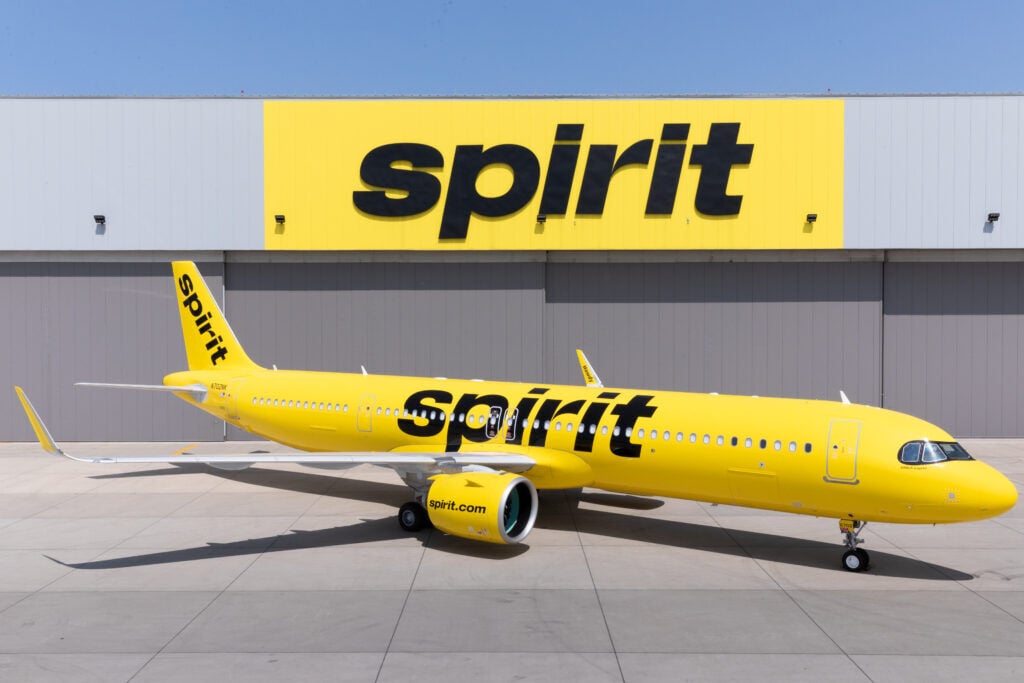
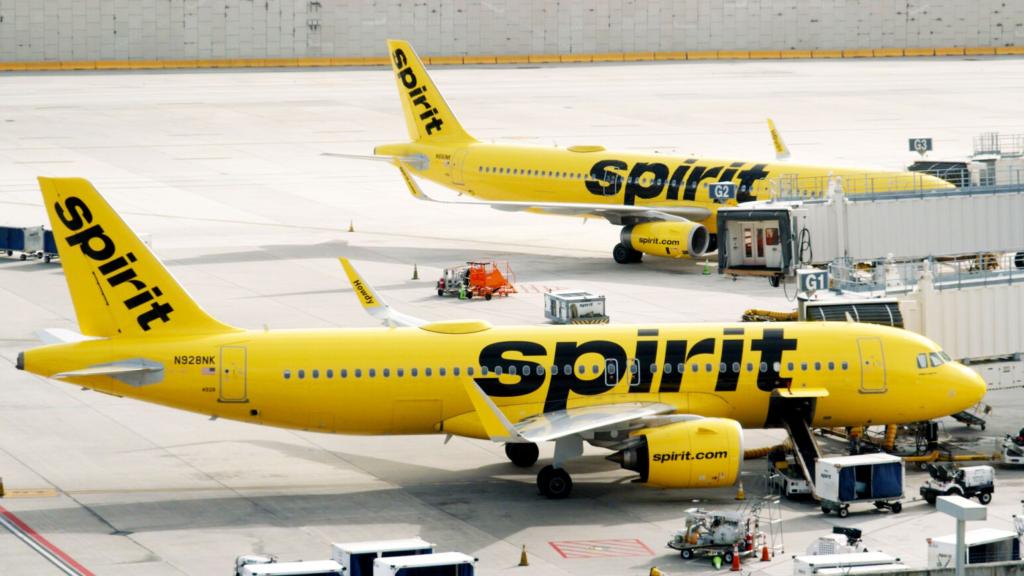
(NEW YORK) — Spirit Airlines is racing to secure a government rescue as a proposed $500 million deal stalls in the face of creditor opposition, leaving the carrier with only days of cash and at imminent risk of collapse.
A bankruptcy hearing that had been set for Thursday in New York federal court was postponed through a Wednesday court filing while negotiations over the Trump administration’s bailout package continued.
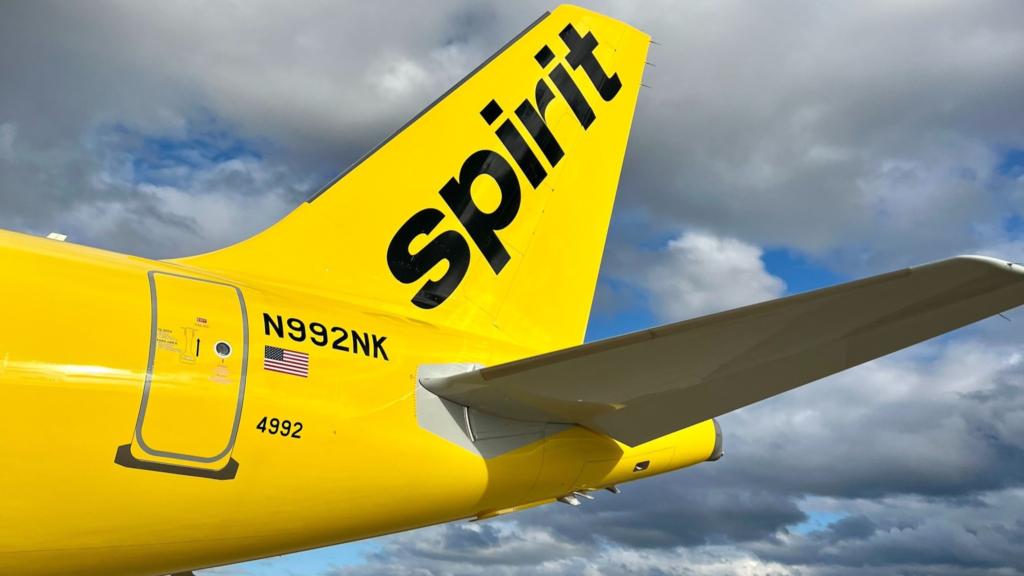
Spirit Airlines is not yet shutting down. The airline still holds $250 million in cash, but creditors have a lien on that money, and the carrier has already skipped an interest payment, raising the risk of default even though no enforcement notice has been filed.
The rescue under discussion would lend Spirit $500 million in exchange for up to 90% ownership. It would also position the government as senior bondholder and could allow the airline’s fleet to be used for military transport under the Defense Production Act.
Creditors have pushed back against those terms. Citadel, the firm led by Ken Griffin, submitted a counterproposal that rejected terms it said would erode the value of its claims, and the government rejected that offer.
Ares Management Corp. and Cyrus Capital also oppose the plan. Their resistance has left the negotiations stuck at the point where Spirit needs cash immediately and its largest financial stakeholders are fighting over who absorbs the loss and who controls what remains of the airline.
The court delay underscored how little room remains. Spirit has enough money to keep operating for days, not weeks, while the parties argue over whether federal financing should come with a near-total transfer of ownership.
Spirit filed for Chapter 11 bankruptcy in August 2025. It was the airline’s second bankruptcy since 2024, after merger attempts with Frontier Airlines and JetBlue unraveled.
A federal judge blocked those merger efforts in January 2024. That left Spirit without the consolidation path it had pursued and sent the carrier back to the bankruptcy court as it searched for another way to survive.
The latest restructuring strain intensified in late February 2026, when rising jet fuel prices tied to the US-Israeli attacks on Iran derailed a creditor restructuring agreement reached around that time. The breakdown raised the prospect that Spirit could be liquidated instead of emerging from bankruptcy this summer.
That deterioration in fuel costs landed on a business already under pressure. Airline analyst Henry Hartvelt described Spirit as “flying on financial fumes,” pointing to post-pandemic shifts away from ultra-low-cost models.
Hartvelt’s assessment captured the squeeze surrounding Spirit’s model without changing the immediate question before creditors and the White House: whether the airline can stay alive long enough for a rescue package to be agreed. At the moment, that answer rests less on travel demand than on bankruptcy arithmetic.
President Donald Trump said in a CNBC interview on April 21, 2026 that he was open to a government takeover “for the right price” to preserve jobs and assets. He later suggested the government could sell the airline after fuel prices fall “for a profit.”
White House spokesman Kush Desai said the administration “continues exploring possible options to ensure the airline remains in operation for its passengers and employees.” A White House official also noted that the administration is continuing to monitor the aviation industry.
Those statements put the administration publicly behind efforts to keep Spirit flying, but they did not resolve the dispute over terms. The proposed structure, with the government stepping in as lender, owner and senior bondholder, has become the central obstacle with existing creditors that want to protect the value of their own positions.
Citadel’s role has drawn particular attention because its counterproposal directly challenged the framework the government put on the table. Ken Griffin’s firm rejected provisions that would dilute creditor recoveries, and the administration turned that approach down rather than soften the demand for control.
Ares Management Corp. and Cyrus Capital have added to that resistance, widening the group of investors opposed to the rescue as drafted. Their stance matters because Spirit’s remaining liquidity is tied up by creditor claims, which limits how much room the airline has to maneuver on its own.
Skipping the interest payment deepened the strain. Without an enforcement notice, Spirit has avoided an immediate creditor action, but the missed payment still stands as a warning that the airline’s financing structure is nearing its breaking point.
The proposed use of Spirit’s fleet for military transport under the Defense Production Act also shows why the administration is treating the matter as more than a standard airline bankruptcy. Federal officials are weighing not only whether the company survives, but what role its aircraft could serve if Washington takes control.
Even so, the case remains grounded in a simple cash problem. Spirit has money on hand, but not money it can freely spend, and the bailout intended to bridge that gap has become mired in a fight over ownership, debt priority and the distribution of losses.
Spirit has not commented publicly in recent days as the talks have continued. That silence has left the public case to the White House, the court docket and the creditors trying to reshape a rescue before the airline runs out of time.
The calendar now matters as much as the balance sheet. A hearing was postponed, the rescue is still under negotiation, and the carrier remains in the air while its backers and creditors try to decide whether Spirit Airlines becomes a federally controlled company, enters liquidation, or simply runs out of room first.