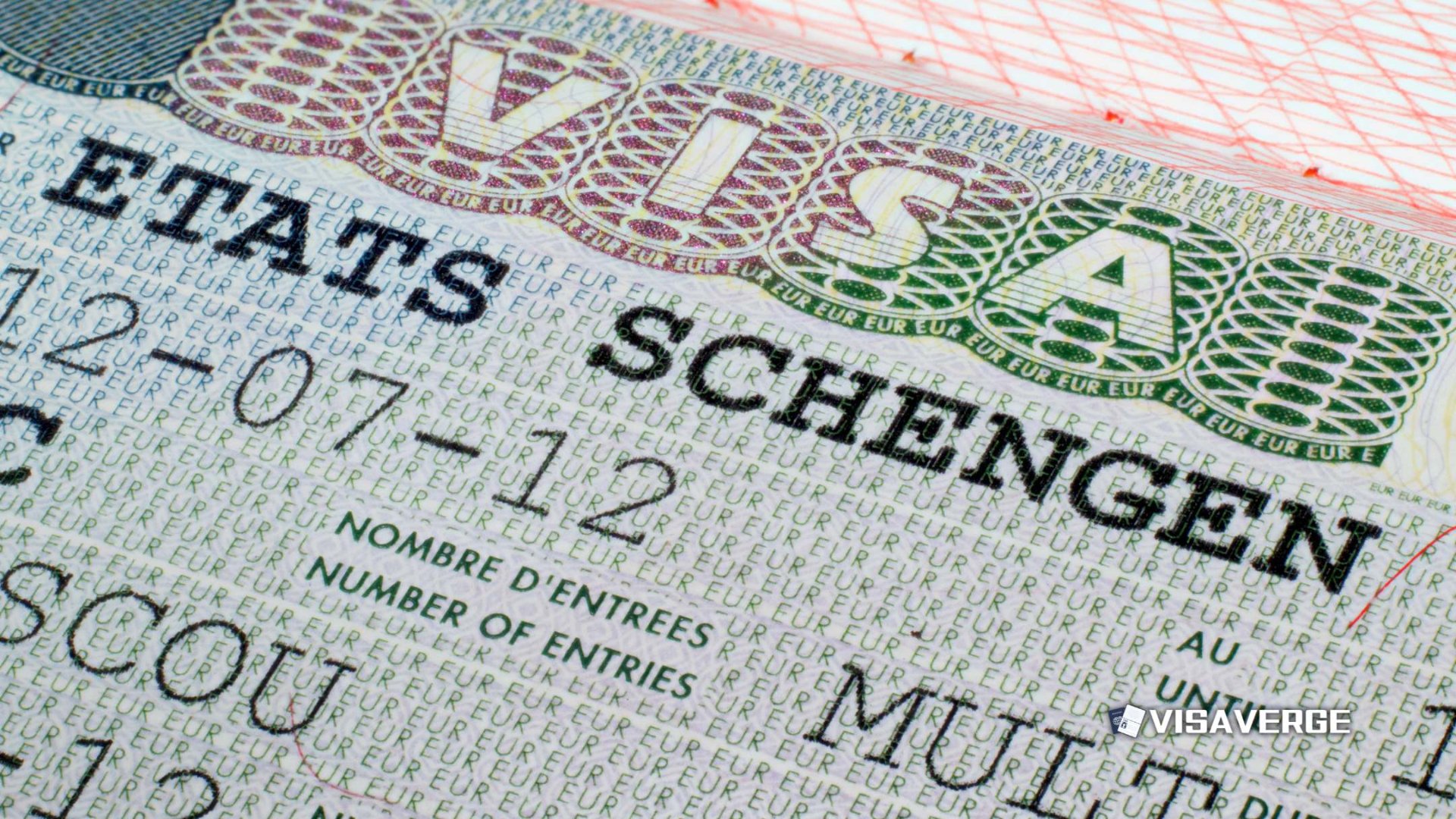
- Italy expanded random identity checks to five additional airports for travelers arriving from Spain as of August 8, 2026.
- The measures target non-EU nationals following a mass migration event in the Spanish territory of Ceuta.
- Spain has launched reciprocal inspections at seven airports, calling Italy’s unilateral decision unjustifiable and an attack on unity.
Italy extended random identity and document checks on Saturday, August 8, 2026, to five additional international airports for travelers arriving from Spain. The expansion widened controls first introduced on August 1, 2026.
The Ministry of the Interior added Naples Capodichino, Bologna Guglielmo Marconi, Florence Amerigo Vespucci, Palermo Falcone-Borsellino, and Pisa Galileo Galilei. The inspections cover arrivals by air and sea.
Free toolSchengen Short-Stay Visa Calculator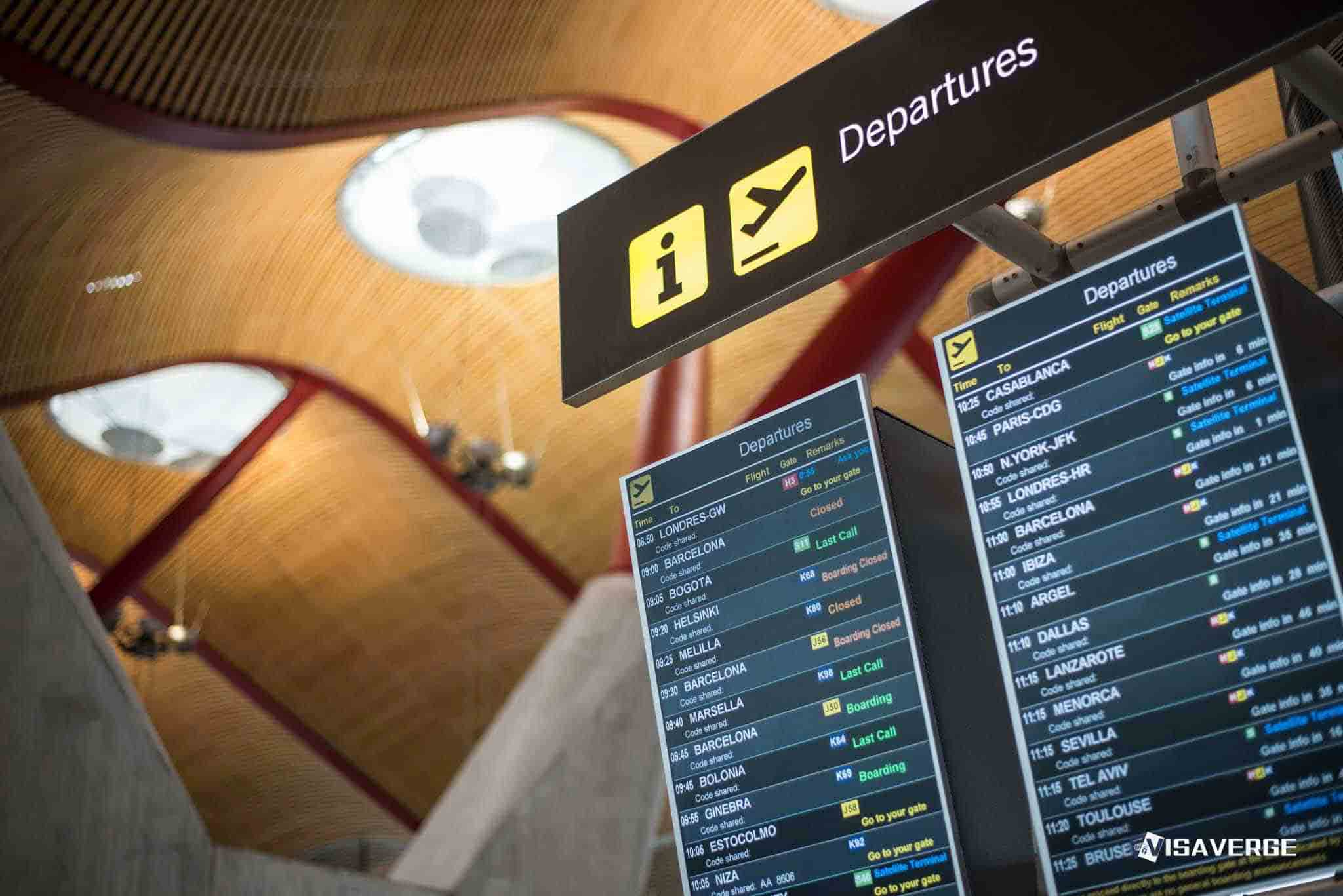
Officials describe the checks as “targeted and selective.” They are aimed especially at non-EU nationals traveling within the Schengen area, rather than every passenger.
The initial Italian airports were Rome Fiumicino, Milan Malpensa, Milan Linate, and Venice Marco Polo. The expansion brings the total to nine airports.
Prime Minister Giorgia Meloni defended the policy as an “extraordinary measure adopted to protect national security and prevent potential repercussions for our country.” She said it would remain in force “only for as long as necessary” to limit the effect on summer tourism.
The controls followed the arrival of approximately 72,000 migrants in the Spanish territory of Ceuta between July 30 and August 1, 2026. Estimates reached 78,000, while the episode led to over 80 fatalities.
Italy’s expanded airport network adds five southern and central hubs
The checks now operate at the following airports:
| Stage | Airports covered |
|---|---|
| Initial checks | Rome Fiumicino, Milan Malpensa, Milan Linate, Venice Marco Polo |
| Added on August 8 | Naples Capodichino, Bologna Guglielmo Marconi, Florence Amerigo Vespucci, Palermo Falcone-Borsellino, Pisa Galileo Galilei |
Non-EU travelers arriving from Spain may need to present a valid identity document, visa, or residence permit. The document requirement applies to travelers from countries including the United States, the United Kingdom, and Canada when the relevant authorization is required.
EU and Spanish citizens are theoretically exempt from systematic checks. Passenger flows may still separate at the airport, creating delays while officers conduct random inspections.
Ryanair, EasyJet, and ITA Airways have advised passengers arriving from Spain to allow 60–90 minutes of extra time for disembarkation and possible document checks.
Spain responds with checks at seven airports
Spain began its reciprocal inspections on August 8. About 100 National Police officers were deployed to examine between 5% and 10% of passengers on flights arriving from Italy.
The Spanish operation covers seven airports: Madrid, Barcelona, Málaga, Seville, Bilbao, Alicante, and Valencia. The checks are random and document-based, rather than a blanket inspection of every traveler.
Spain’s Interior Ministry said the measure would remain in force until September 7, 2026, unless circumstances change. Authorities also expected the checks to reach the Balearic and Canary Islands.
An official explanation emphasized the effort to limit disruption:
“We always strive for maximum cooperation with passengers and airline representatives so that citizens of member states are exempt from checks and passengers can disembark as quickly as possible.”
The response came after Italy restored controls on arrivals from Spain. Both countries had been operating within the Schengen area’s passport-free travel system.
Rome cites security and European border controls
Italian Interior Minister Matteo Piantedosi called the expansion a “precautionary and organizational decision, intended to safeguard national security and the integrity of the entire European control system at a time of significant strain.” He said officers would continue focusing on “targeted and selective” checks, particularly involving non-EU nationals.
Foreign Minister Antonio Tajani described the policy as a “necessary choice to safeguard the security of our citizens and defend the European borders.” He cited Article 25 of the Schengen Borders Code.
Italy notified the European Commission of its “unilateral” suspension of Schengen free movement with Spain on August 3, 2026. The government describes the action technically as a reinstatement of border controls rather than a full suspension.
The arrangement has created separate passenger flows at Italian airports. Arrivals from Spain can be directed into dedicated lanes for random screening instead of undergoing universal inspection.
Spain calls the controls unjustifiable
Spanish Foreign Minister Jose Manuel Albares called Italy’s measures “unjustifiable” and an “attack on the dignity of Spaniards as well as European unity.” He argued that secondary movement from Spain to Italy is “practically zero.”
Spain issued a 48-hour ultimatum on August 7, 2026, demanding that Italy lift the checks. Rome rejected the demand and said it would not reconsider the policy before August 15, 2026.
European Commissioner for Home Affairs Magnus Brunner said the Schengen rules allow such action under clauses covering a “serious threat.” He added that any controls must remain “proportionate and temporary.”
The dispute also reflects Italy’s criticism of Spanish Prime Minister Pedro Sánchez’s migration policies, including a recent amnesty for nearly one million undocumented migrants. Italian officials argue that those “progressive” policies encouraged the mass movement into Ceuta.
Italy’s controls could last at least through September 1
Italy maintains that its measures will continue until at least September 1, 2026, depending on intelligence concerning further “incursions” at the Ceuta breakwater. Spain’s reciprocal checks have a separate scheduled end date of September 7, 2026.
The two measures therefore follow different timelines. Italy’s continuation depends on security assessments, while Spain has announced a date for its inspections to end.
Travelers arriving from Spain who may need visas or residence permits must carry valid documents. Summer traffic will continue while the checks remain in place.