- New Jersey officials launched a civil rights probe into the GEO Group-operated Delaney Hall detention center.
- The investigation follows the death of Edwin Lopez-Cornejo, a detainee who allegedly lacked essential medical care.
- Governor Mikie Sherrill demanded the facility close after state health inspectors were repeatedly denied full access.
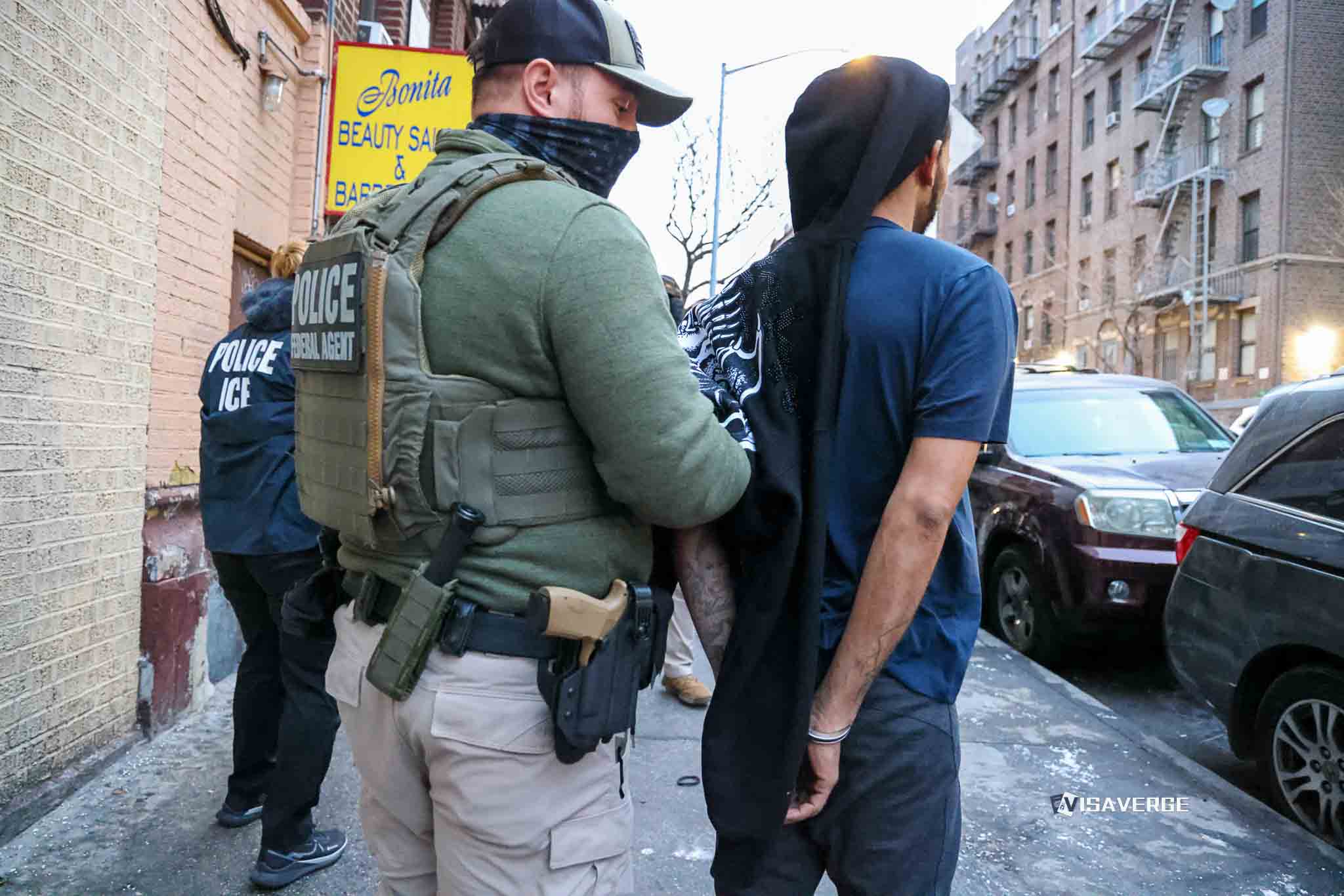
New Jersey Attorney General Jennifer Davenport opened a civil rights investigation Friday into Delaney Hall, a privately run ICE detention center in Newark, after months of protests, hunger-strike allegations and complaints about conditions inside the facility.
The New Jersey Division on Civil Rights issued investigative subpoenas to the Newark center, which the GEO Group operates. The inquiry will examine whether “any action or inaction by GEO Group employees violated the civil rights of people detained at the facility.”

The probe follows reports from detainees of spoiled food, missing hygiene products, unsanitary conditions and inadequate medical care. Protests have continued for months.
The case intensified after Edwin Lopez-Cornejo died in custody on Saturday. The 41-year-old man from El Salvador suffered a medical emergency and was pronounced dead at University Hospital in Newark.
His family says he lost 30 pounds over six weeks and did not receive medication for diabetes, epilepsy and high blood pressure. He had been detained for less than six weeks.
Lopez-Cornejo was arrested on June 18 and died on August 1. His mother, Maria Cornejo, said he complained of numbness in his face and arm the day before his death.
“My son needed medical attention, and he didn’t receive it.”
Cornejo made the statement as the family questioned the care he received. The state’s inquiry will examine medical care alongside broader detention conditions.
State officials say inspectors could not complete a full review
Governor Mikie Sherrill called for the center to be “closed down” after state health inspectors were denied full access. She said ICE and the operator blocked the state’s efforts to conduct a full health inspection.
Newark Mayor Ras Baraka also criticized the death. He said, “In less than a year, yet another family is forced to endure the unimaginable loss of a loved one while in custody at Delaney Hall.”
The facility holds 1,000 beds. It has faced prolonged protests and scrutiny since reopening last year during the Trump administration’s immigration enforcement push.
Davenport’s office is now using subpoenas to gather information about possible civil-rights violations tied to conditions and medical treatment. The inquiry does not itself establish that a violation occurred.
Federal officials dispute the family’s account of medical care
The Department of Homeland Security said Lopez-Cornejo received proper treatment while detained and was seen by medical professionals.
“While in custody, Lopez-Cornejo received proper medical care and was seen by medical professionals,” the department said. DHS also said ICE remains committed to “safe, secure and humane environments.”
The department said detainees receive a health screening within 12 hours of booking. A full evaluation follows within 14 days.
Those statements conflict with the family’s account that Lopez-Cornejo lacked medication for his diagnosed conditions. His relatives said he relied on several medications to control diabetes, epilepsy and high blood pressure.
The medical-emergency circumstances remain central to the state review. Investigators are examining whether conduct or omissions by employees affected detainees’ civil rights.
The subpoenas widen scrutiny of the Newark center
Complaints about food, hygiene and sanitation had already drawn attention to the center before Lopez-Cornejo’s death. Hunger-strike allegations added pressure on state and federal officials.
Sherrill’s demand to close the facility came after inspectors encountered access restrictions. The state’s investigation now places those inspection disputes alongside allegations about detainee treatment.
The center’s operator is a private company, but the detainees remain in federal immigration custody. That arrangement has made the facility a focus of state scrutiny, federal oversight and local political criticism.
Lopez-Cornejo’s death also brought renewed attention to the experience of people held there. His family has linked the reported weight loss, missing medication and symptoms before his death to concerns about the care available inside.
The subpoenas give the state a formal process for seeking records and information about the facility’s practices. The investigation will determine what happened and whether any employee action or inaction violated civil rights.
The state health inspectors’ access dispute remains unresolved as the inquiry proceeds. The family is seeking answers about a death that followed less than six weeks in detention.
This article provides general information and is not legal advice. Consult a qualified immigration attorney about your specific case.