- Edwin Lopez-Cornejo died in ICE custody following a medical emergency at Delaney Hall detention center.
- Family members allege denial of critical medication for the detainee’s diabetes, epilepsy, and high blood pressure.
- Lawmakers are demanding the permanent closure of the GEO Group-operated facility amid reports of neglect.
Edwin Lopez-Cornejo, a 41-year-old Salvadoran man held at Delaney Hall, died Saturday after a medical emergency at the Newark detention center, U.S. Immigration and Customs Enforcement said. Staff called 911 and took him to University Hospital, where doctors pronounced him dead on August 1, 2026.
The official cause of death remains pending. ICE said it notified Lopez-Cornejo’s family and the Consulate of El Salvador in Elizabeth, New Jersey.
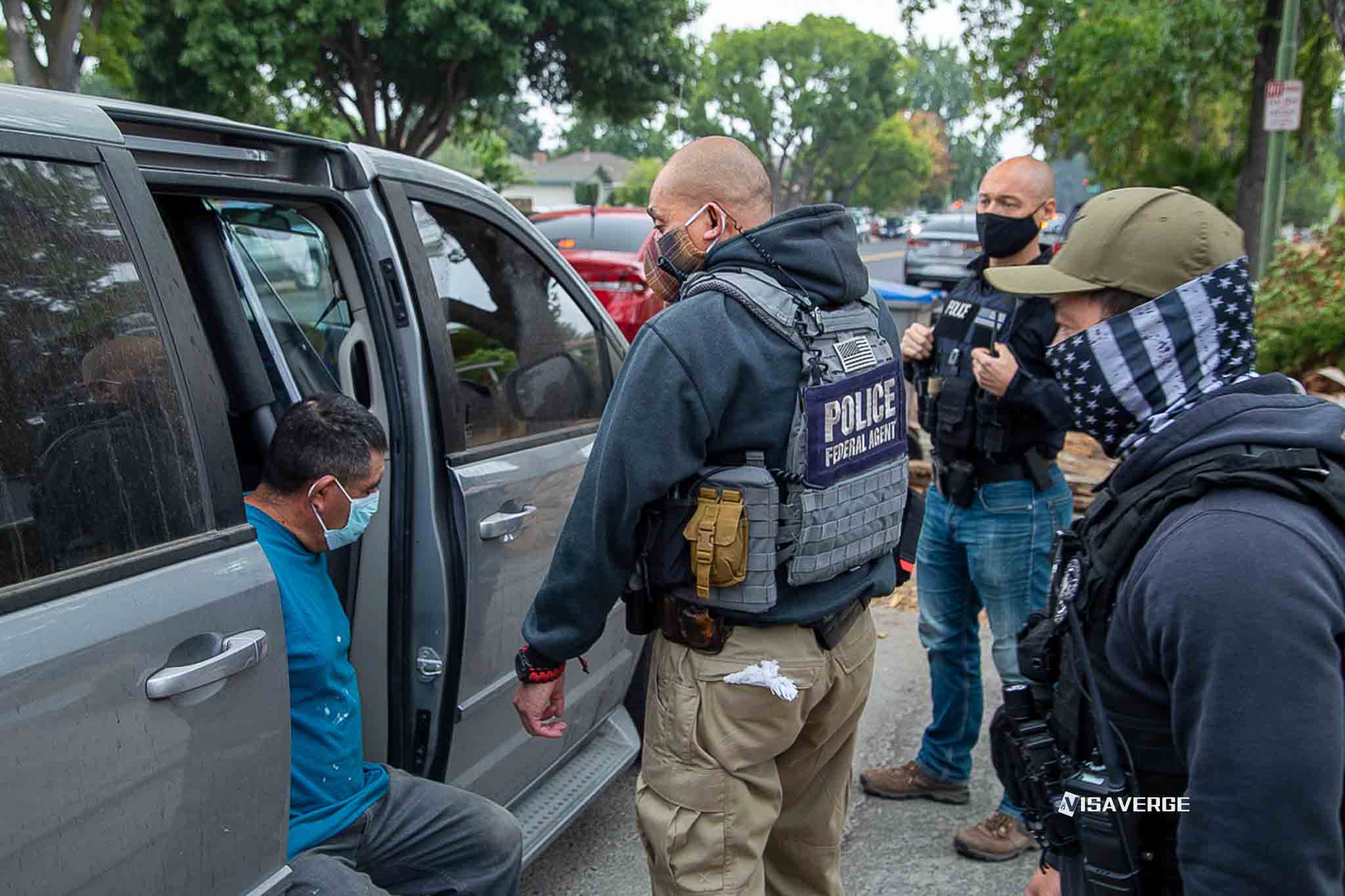
His family disputes the agency’s account of his treatment. Maria Lopez-Cornejo said her son had diabetes and high blood pressure, while relatives alleged that he did not receive medication he needed while detained.
ICE said staff acted immediately and that Lopez-Cornejo received appropriate care in custody. The agency’s detainee death notification said he had been seen by medical professionals.
“When Lopez-Cornejo experienced a medical emergency while in ICE custody, GEO facility staff and medical staff responded immediately and called 911. While in custody, Lopez-Cornejo received proper medical care and was seen by medical professionals.”
ICE issued that statement on August 3. The family’s account has prompted lawmakers and advocates to demand outside scrutiny.
Family members describe symptoms before his death
Maria Lopez-Cornejo said her son called her on July 31, the day before he died. She said he told her that his face and right hand felt numb, but that he was told to wait for additional examinations.
The family also alleged that he had epilepsy and was denied critical medication for high blood pressure, diabetes and seizures. Ashley, his 12-year-old daughter, spoke at a community gathering in Plainfield and called ICE “heartless monsters.”
Public accounts have used different versions of the man’s name and age. ICE identified him as Edwin Lopez-Cornejo, 41. Family reporting identified him as Edwin Jovanny Lopez Cornejo and said he was 39.
A custody timeline in the additional reporting says ICE arrested Lopez-Cornejo in Plainfield, New Jersey, on June 18, 2026. He spent about six weeks in custody before his death.
Lawmakers call for closure and an independent inquiry
U.S. Sen. Cory Booker called for the facility to close permanently. He said Lopez-Cornejo had been denied necessary medical treatment and described that alleged practice as unlawful and inhumane.
“I unequivocally condemn the death of yet another immigrant at Delaney Hall. Lopez-Cornejo was denied access to necessary medical treatment while detained — an unlawful and inhumane practice that is well documented at this facility. Delaney Hall must be closed immediately and permanently.”
Booker made the statement on August 3. U.S. Rep. Frank Pallone Jr. followed the next day by blaming President Trump and Secretary Markwayne Mullin for what he called negligence and disregard for human suffering.
“Now, another one of our neighbors has died at Delaney Hall because of President Trump and Secretary [Markwayne] Mullin's negligence and disregard for human suffering. This tragedy was entirely preventable.”
Newark Mayor Ras J. Baraka also criticized the operator and ICE, citing concerns about transparency, public oversight and the laws protecting detained people’s health, safety and dignity.
Representative LaMonica McIver, whose New Jersey district includes the site, has also criticized the facility. Her office said it is involved in continuing federal litigation and oversight disputes between New Jersey and the Trump administration.
Representative Analilia Mejia and other New Jersey lawmakers are seeking an investigation by the Department of Homeland Security Office of Inspector General. They cited what they called a “pattern of abuse and neglect” at the GEO-operated site.
The death follows earlier complaints about conditions
Lopez-Cornejo was the second detainee to die at the site in less than eight months, according to reporting that cited earlier ICE records. Jean Wilson Brutus, a 41-year-old Haitian national, died there on December 12, 2025, after a similar health crisis at intake.
Roughly 300 detainees organized a hunger and labor strike in May 2026. They protested poor ventilation, spoiled food and alleged medical neglect.
The facility is operated by GEO Group under a 15-year, $1 billion contract with ICE. Additional reporting describes it as having reopened as an immigration facility in 2025, while other accounts identify May 2026 as the date it opened in its current detention role.
A separate dispute involves access to medical records and treatment areas. New Jersey Attorney General Jennifer Davenport filed a lawsuit against GEO Group after state health inspectors were reportedly denied entry to the medical wing.
Amol Sinha, executive director of the ACLU of New Jersey, said the death reflected “rampant inhumane conditions” at the facility. Rep. Rob Menendez said he was conducting unannounced oversight after learning of the death.
A federal policy change has added to the scrutiny
The death came shortly after DHS rescinded a 2021 policy concerning deaths connected to detention. That policy required the agency to investigate and report deaths occurring within 30 days after a person’s release.
DHS called the reversal “common sense.” Advocates argued that ending the requirement could obscure the number of people whose deaths follow detention.
A 2026 tally cited in reporting placed Lopez-Cornejo as the 22nd person to die in ICE custody that year. The same reporting said the annual total was on pace to exceed previous records for detainee deaths.
The official determination in Lopez-Cornejo’s case remains open. University Hospital pronounced him dead after emergency responders transported him from the facility, and further medical examination is expected to address the cause.
This article provides general information and is not legal advice. Consult a qualified immigration attorney about your specific case.