- Peruvian national Julián Curo-Churata died in I-C-E custody in Louisiana on September 29, 2026, at age 47.
- An immigration judge denied his applications for relief and voluntary departure; he retained the right to appeal.
- His death was at least the 37th detention death counted by I-C-E in 2026; an autopsy is expected to establish the cause.
Julián Curo-Churata died in ICE custody in Louisiana on September 29, 2026. He was 47, a Peruvian national, and had lived in Laurel, Maryland, for about 17 years. An immigration judge had denied his request for voluntary departure 11 days earlier.
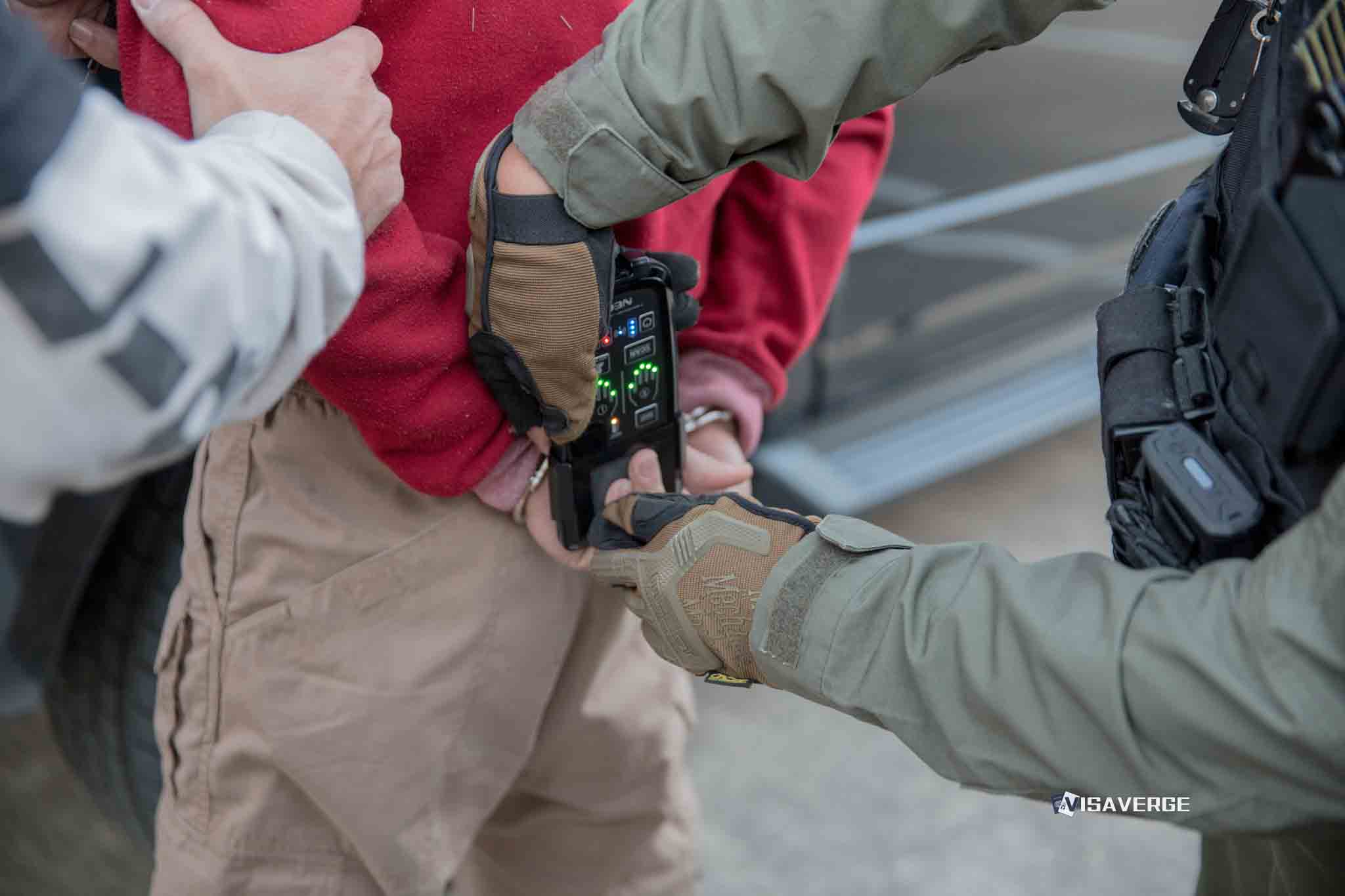
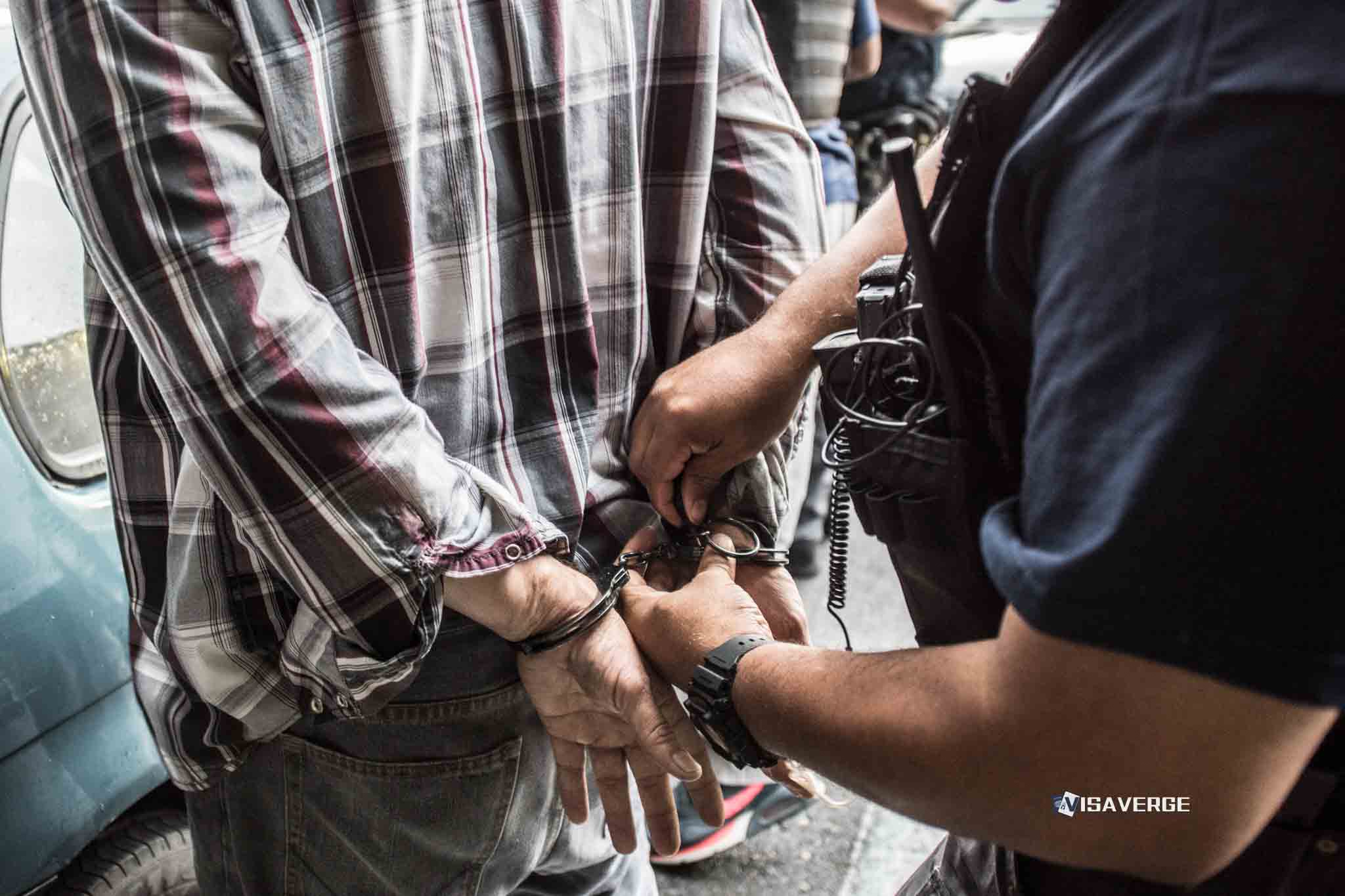
ICE arrested Curo-Churata in Baltimore on June 27, 2026, during what the agency called a “targeted enforcement operation.” He received a notice to appear in immigration court. Two days later, officials transferred him to New Orleans and detained him at the Richwood Correctional Center in Louisiana.
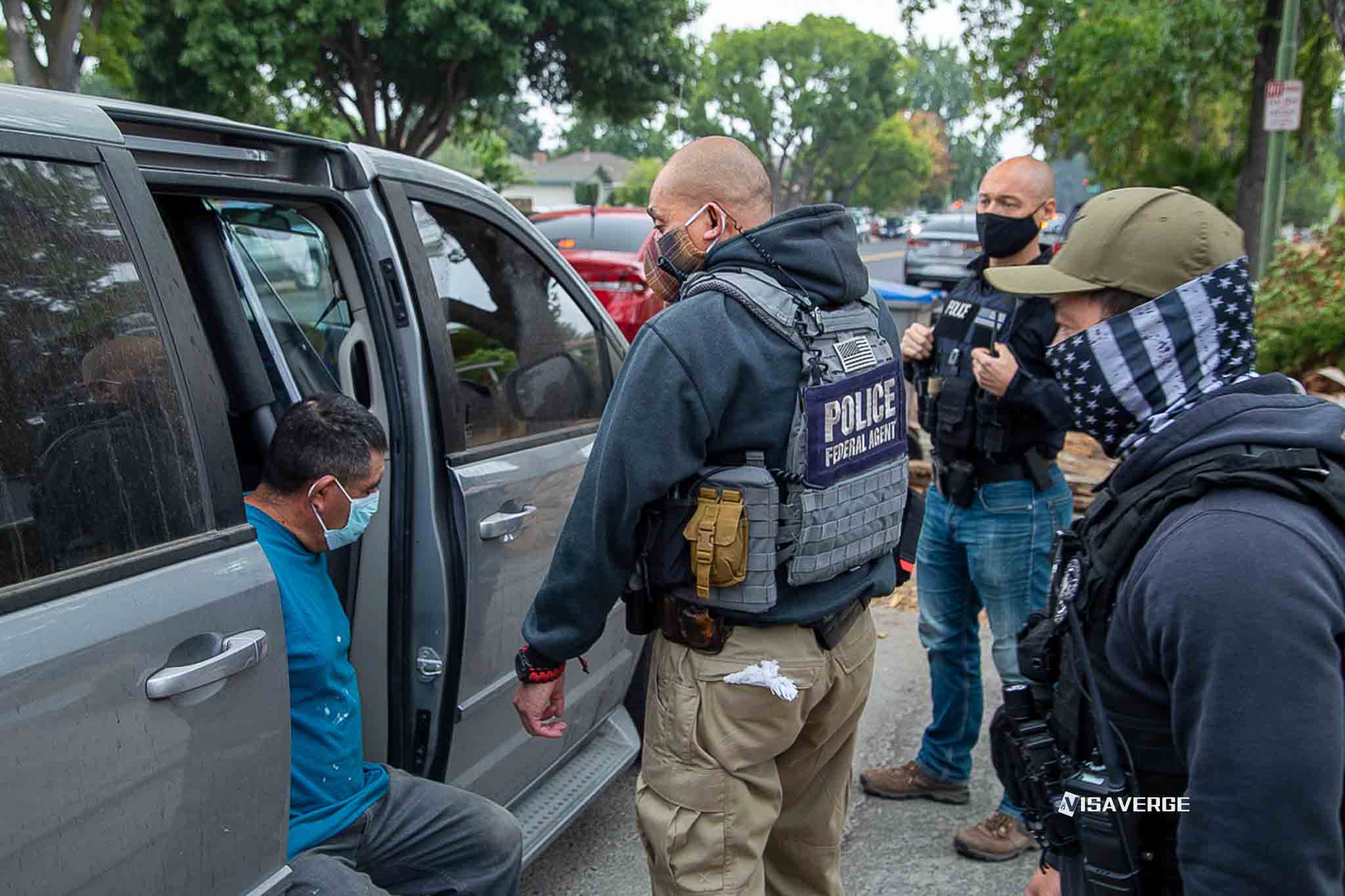
On September 18, an immigration judge denied his applications for immigration relief and voluntary departure. Curo-Churata reserved his right to appeal. The decision came less than two weeks before his death.
Facility staff found him in “medical distress” on September 28. He was taken at approximately 8:15 p.m. to Ochsner LSU Health Monroe Medical Center, where a physician pronounced him dead at 4:01 a.m. CDT on September 29. ICE said an autopsy would establish the official cause; the preliminary cause was unknown.
His family and Maryland’s senator called for answers
His wife, Verónica Ramírez, said she last spoke with him two days before he died. On September 29, she called the detention center to reach him and was told someone would call back. A funeral home contacted her about 20 minutes later, she said, and told her he had died at approximately 4:30 a.m.
Ramírez said she wanted answers and understood that an autopsy could take months. ICE notified her, his attorney, the Department of Homeland Security Office of Inspector General and the Consulate General of Peru about the death.
Marxlin Bernedo, a friend of more than 10 years who lives in Silver Spring, Maryland, said Curo-Churata should not have died far from his family. “He didn’t deserve to die … far away from his family.” Bernedo said he left a college-aged son, a daughter and his wife.
Chris Van Hollen, Maryland’s Democratic U.S. senator, called the death preventable and demanded accountability. “What’s happened here is not only tragic, but it [is] a preventable tragedy, and that means people need to be held accountable and we need to get to the truth.”
Van Hollen separately called for “a full independent investigation into his death.” He also wrote, “Not another dime for this lawlessness.”
ICE defended the medical care he received
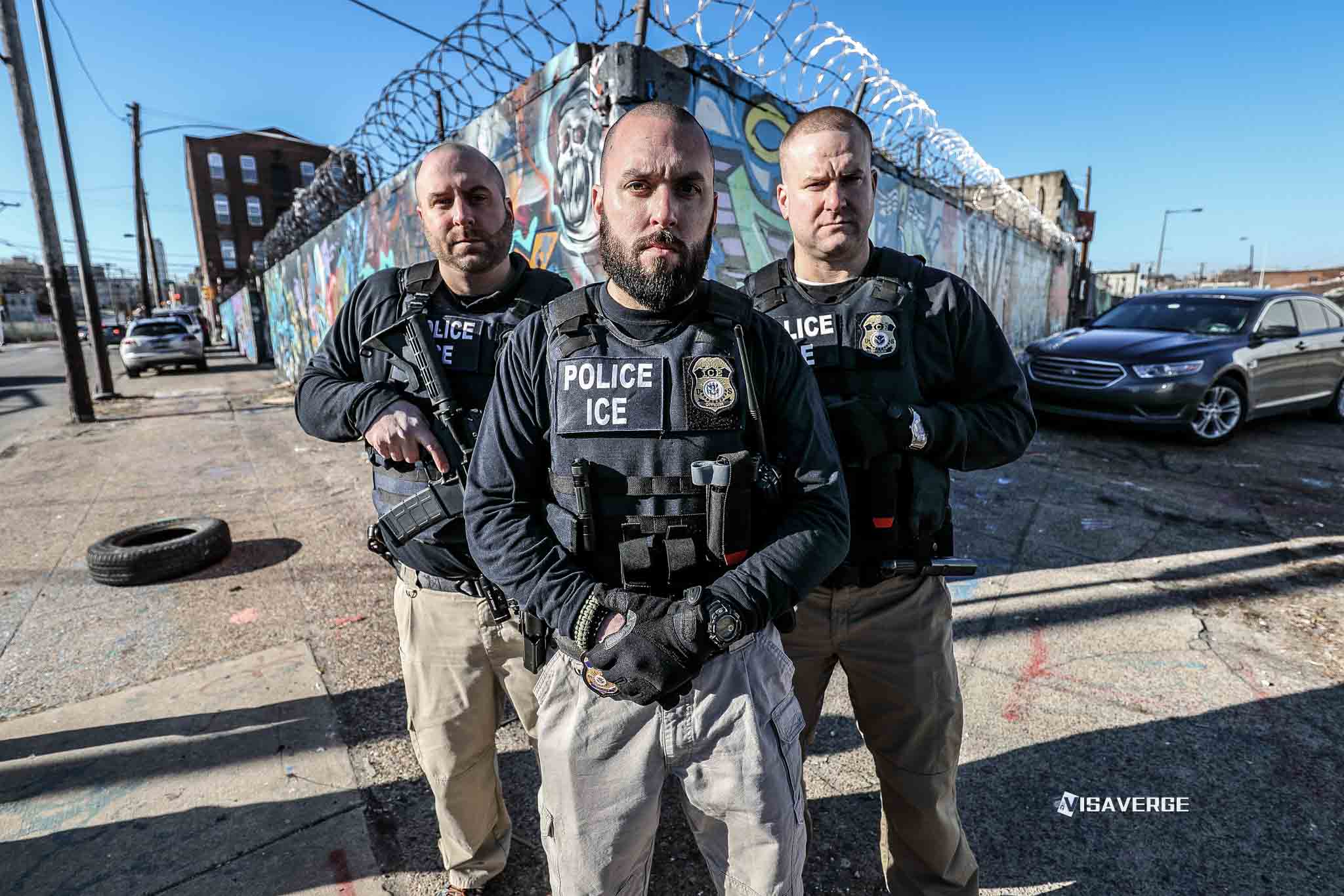
The agency said Curo-Churata received treatment from medical professionals while detained. ICE also described its detention medical services as comprehensive and said emergency care is never denied.
“While in custody, Curo received proper medical care and was seen by medical professionals.”
ICE said it was committed to keeping detained people in “safe, secure and humane environments.” The autopsy is expected to determine the official cause of death. The medical emergency and the agency’s account of care remain central to the inquiry.
The ruling did not end his chance to challenge detention
Voluntary departure allows an eligible person to leave the United States without a formal removal order. An immigration judge has discretion to grant or deny it. The judge also rejected Curo-Churata’s other applications for immigration relief on September 18.
He retained the right to appeal, so the ruling may not have been administratively final when he died. The public account of the case does not identify which other forms of relief he sought or the judge’s reasoning.
His lawyers had separately filed a federal habeas petition challenging his detention, according to immigration researcher Austin Kocher, Ph.D. The court had not ruled, and the government had not responded before Curo-Churata died. The immigration case and the detention challenge involved separate legal proceedings.
ICE cited two Maryland records and an entry without inspection
ICE said Curo-Churata entered the United States without inspection, though the date and location were unknown. The agency cited a conviction for driving with expired vehicle registration and a separate court judgment in favor of the Comptroller of Maryland.
The cited records did not describe the basis or amount of that judgment. ICE arrested him in Maryland, then moved him to Louisiana. Maryland has no long-term ICE detention facility, and Maryland detainees are transferred greater distances than detainees in many other states, according to published accounts.
His death was at least the 37th in detention this year
ICE’s official tally counted Curo-Churata as at least the 37th person to die in detention in 2026. A June 2026 Human Rights Watch analysis found the annual mortality rate in ICE detention rose approximately 140% between January 2025 and January 2026, reaching its highest level in nearly two decades.
A vigil was scheduled for Friday, October 9, 2026, in Laurel, where Curo-Churata had lived for about 17 years. The autopsy is expected to determine how he died.
This article provides general information and is not legal advice. Consult a qualified immigration attorney about your specific case.