- Since September 14, 2026, some unrepresented immigrants at 26 Federal Plaza have been sent to DHS-controlled third-floor rooms for remote hearings.
- The American Immigration Lawyers Association reported that at least nine people were ordered removed after they could not find relocated hearing rooms.
- People who miss a hearing should promptly obtain the court record and consult a qualified immigration attorney about possible options.
New York immigration authorities have begun routing some unrepresented immigrants to ICE-controlled rooms at 26 Federal Plaza, where judges hear cases by video. Some people who reached the building still missed court.
The arrangement began around September 14, 2026. The hearing format changed, but the cases remain before immigration judges with the Justice Department’s Executive Office for Immigration Review, or EOIR.
Free toolUSCIS Receipt Number Decoder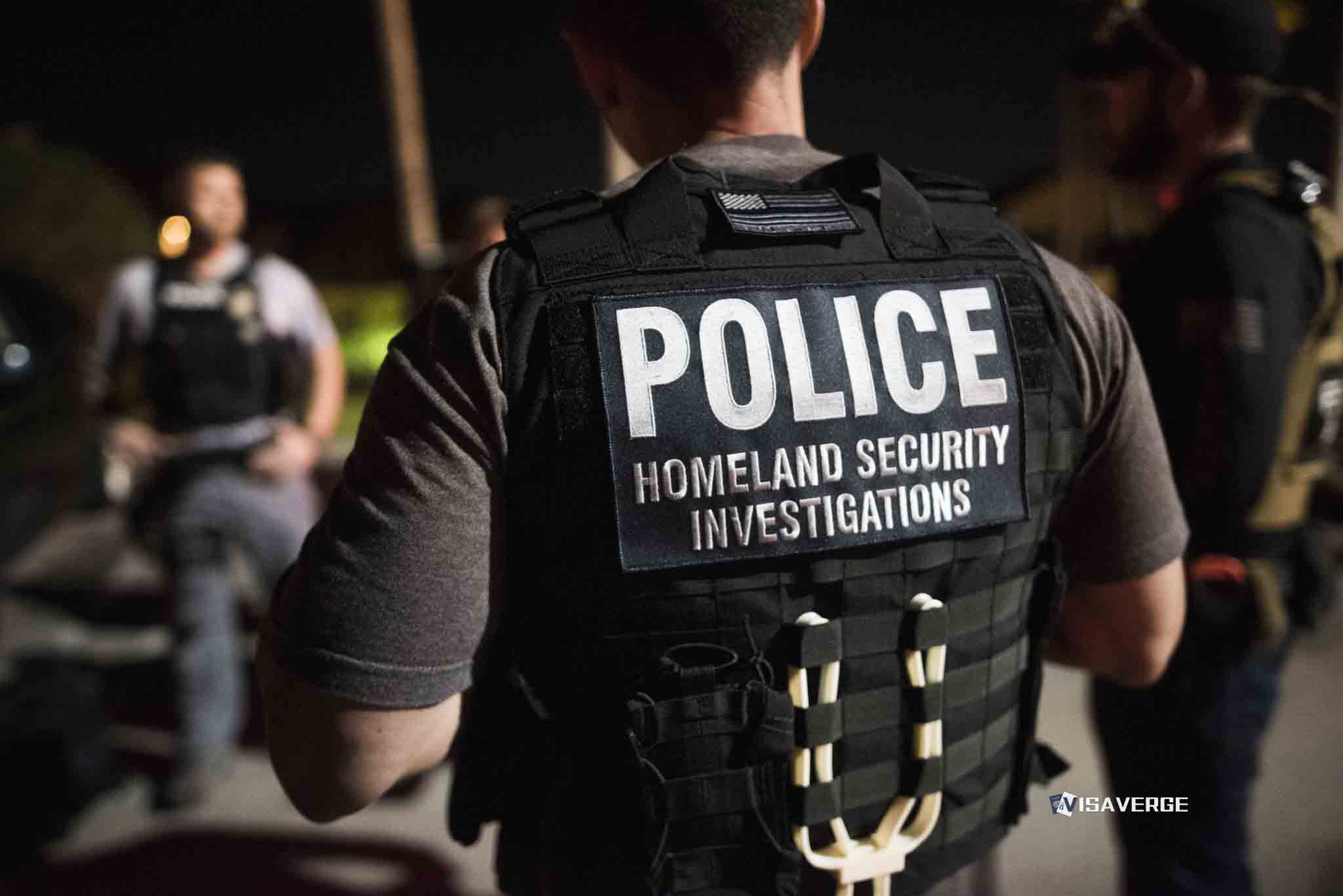
Instead of reporting to the established court floors on the 12th and 14th floors, some respondents without lawyers have been directed to the third floor. The new rooms are controlled by the Department of Homeland Security.
A missed appearance can carry a severe consequence. Respondents who cannot find the relocated courtroom may face removal orders entered after they fail to appear.
Confusing directions and restricted entry have compounded the move
Some respondents reportedly received notice of a changed location only days before their hearing. The third-floor area is not clearly marked as an immigration court, and building staff have reportedly handed out handwritten directions.
The American Immigration Lawyers Association reported that at least nine people were ordered removed after failing to appear at a relocated courtroom during one New York session. The reported cases involved people who had arrived at 26 Federal Plaza but could not find the hearing room.
Access has also been an issue for people trying to observe proceedings. Attorneys, reporters and congressional staff have reportedly been turned away from the DHS-controlled rooms, even though immigration hearings are generally open to the public, subject to exceptions.
The physical arrangement separates control of the space from control of the judges. DHS manages the rooms and their entry; EOIR, part of the Justice Department, runs the immigration courts.
EOIR says it is adjusting schedules while DHS controls the rooms
EOIR spokesperson Kathryn Mattingly described the agency’s move as “scheduling adjustments.” She said EOIR was opening hearing locations as needed to process cases “in a timely and lawful manner.”
The judges continue to decide cases, but appear remotely while respondents attend from DHS facilities. Court records reportedly list at least one room as “NY1.”
One observed proceeding involved Immigration Judge Brett Geiger, who joined by video while respondents were directed to the third floor. Congressional aides and attorneys characterized judges as effectively “sidelined” because DHS controlled access to the hearing rooms.
The Manhattan rooms are part of a wider use of government facilities as temporary court sites. The locations include spaces associated with FEMA, the Coast Guard, CISA, ICE and USCIS, in New York, Washington, D.C., Denver, Miami, Los Angeles, Chicago and San Antonio.
Notice, access and missed hearings can raise case-specific legal questions
Federal immigration law permits hearings by video in some circumstances, so the use of a remote judge does not, by itself, make every proceeding unlawful. The details of notice and access can matter in an individual case.
Under INA § 240(b)(2) and 8 C.F.R. §§ 1003.27 and 1240.10(b), respondents generally must receive appropriate hearing notice, and hearings generally remain open to the public unless an exception applies. A dispute may turn on whether the person received the correct location, could reasonably identify and reach the room, or had a meaningful chance to appear and consult counsel.
When a respondent fails to appear, the reason matters. A removal order may be challenged through a motion to reopen, with different rules applying to claims involving improper notice, exceptional circumstances or custody-related barriers.
Someone facing an order should obtain the immigration-court record promptly and assess whether to seek reopening and rescission under INA § 240(b)(5)(C) and 8 C.F.R. § 1003.23(b)(4)(ii). The applicable deadline and evidentiary showing can vary. Criminal history, a prior removal order or detention-related issues may also affect what relief is available.
A DHS-controlled room can raise questions about public access and how the court’s own access rules apply. Those questions do not resolve whether a particular order should be set aside; the facts of the notice and the missed appearance remain central.
Keep the hearing notice and seek advice quickly after an order
People scheduled at 26 Federal Plaza should confirm the assigned location directly with EOIR and keep each notice they receive. Photographs of posted instructions may also help document what directions were available at the building.
Arriving early and asking building personnel for the assigned courtroom are among the steps recommended for people trying to locate the room. Anyone unable to find it should contact counsel or an accredited representative immediately.
A missed hearing can lead to a removal order even if the respondent was inside the building. Anyone who receives such an order should promptly seek the court record and consult a qualified immigration attorney about the available options.
This article provides general information and is not legal advice. Consult a qualified immigration attorney about your specific case.