- Industry legal commentary estimates CBP removed about 300 crew members over two years under Operation Tidal Wave.
- A September 2026 account reported 87 removals from Boston since mid-August, a separate local tally.
- Removal procedures and possible future visa bars vary by case; paperwork identifies the process officers used.
U.S. Customs and Border Protection (CBP) has reportedly removed approximately 300 cruise-ship crew members over two years in cases involving alleged child sexual abuse material. The removals took place under Operation Tidal Wave, according to cruise-industry legal commentary, which gives the cumulative figure as an estimate rather than a published agency-wide count.
A September 2026 account put removals from the Port of Boston at 87 since mid-August. That is a separate local tally. The figures cover different periods and scopes.
Free toolUSCIS Receipt Number Decoder
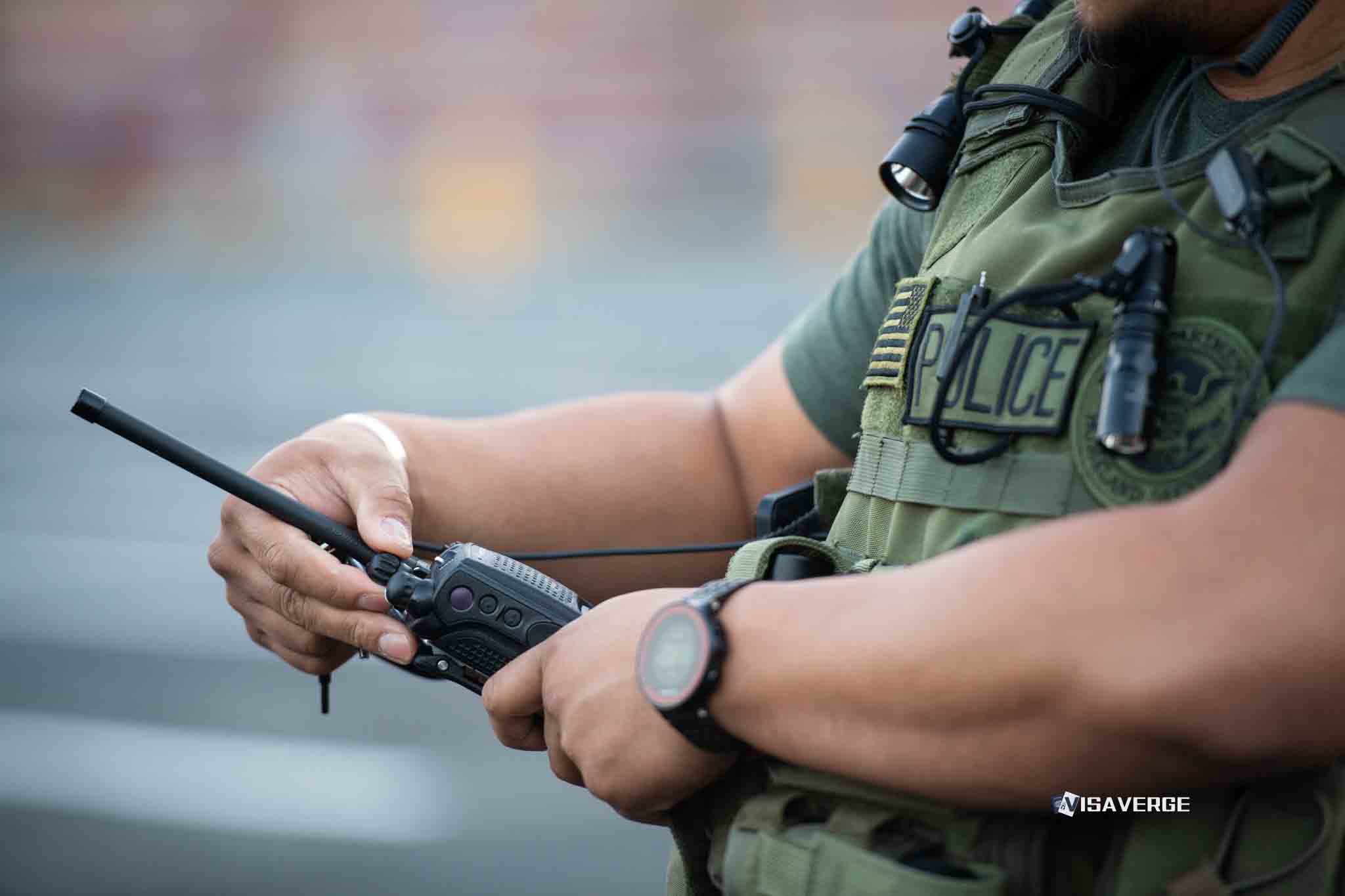
Accounts say officers questioned some crew members, searched their quarters and electronic devices, and ended their seaman’s landing privileges. Some workers were then sent out of the country without an immigration-judge hearing or criminal prosecution, according to those accounts.
The cases involve allegations, not findings of criminal guilt. The figures also describe different points in the operation.
Earlier reported agency releases counted 65 removals nationwide since April 2026. Boston cases involved crew members from the Philippines and Nepal, including employees of Norwegian Cruise Line and Viking. One account said just one of the last 68 crew members removed had been arrested and prosecuted.
A temporary landing permit can leave a crew member seeking entry
Cruise workers commonly come ashore on a D-1 crewmember visa or a conditional landing permit. Temporary permission to land does not necessarily mean the government has formally admitted someone to the United States.
That status can affect the process officers use. A person treated as seeking entry may face expedited or administrative removal, which can occur without a full hearing before an immigration judge.
One possible legal ground is INA § 212(a)(2)(A)(i)(I), also cited as 8 U.S.C. § 1182(a)(2)(A)(i)(I). It concerns convictions or admissions tied to a crime involving moral turpitude. Whether that provision applies depends on the individual record.
The relevant paperwork can include the document issued, the ground of inadmissibility asserted, whether officers obtained a signed admission, and whether the person received an expedited-removal order or another type of removal order. The procedure can differ from one crew member’s case to another.
Access-to-counsel allegations turn on what happened in each interview
Some accounts allege that crew members could not contact an attorney, family member, advocacy organization, or consular official before questioning or removal. They also describe searches and interviews conducted under border authority.
Immigration cases generally do not carry a Sixth Amendment right to a government-appointed lawyer. A person in removal proceedings may typically retain counsel at personal expense, but the government ordinarily does not have to provide one. The ability to consult a lawyer before a CBP inspection is not absolute.
An alleged admission may still be challenged. Possible issues include coercion, misunderstanding, translation problems, defective documentation, or failure to establish the statutory basis for inadmissibility.
Searches at an international border receive broader constitutional authority than searches inside the country. The legality of a particular device search or prolonged detention can still depend on the circumstances. A conclusion that every removal violated due process would require case-specific judicial findings.
Removal orders can affect later visa applications
A removal order may create a five- or ten-year bar, depending on the statutory provision and circumstances. Accounts of these cases describe a 10-year prohibition on readmission for many affected crew members.
A later visa application may also be affected by the removal order, an alleged admission involving a crime involving moral turpitude, a prior immigration violation, or another inadmissibility ground supported by the facts. Some people may need consent to reapply after removal through Form I-212.
A waiver under INA § 212(h), 8 U.S.C. § 1182(h), is possible only when a person meets its statutory requirements. Eligibility can depend on the precise offense, immigration history, qualifying relatives, hardship, rehabilitation, and other statutory bars. Approval is not automatic.
The appeal route depends on the order. If an immigration judge issued it, the ordinary deadline to appeal to the Board of Immigration Appeals is generally 30 days. A person may seek a stay in an appropriate case through Form I-246, but filing does not itself guarantee a stay or stop removal.
The removal paperwork shows which process officers used
Crew members or their representatives may seek records that show what officers did and which legal grounds they cited:
- Passport and visa records.
Form I-94or conditional-landing documentation.- Any expedited-removal order, withdrawal-of-application form, or sworn statement.
- Interview records and translations.
- Notices identifying the statutory ground of inadmissibility.
- Documentation of searches of phones or other devices.
- The date and manner of removal.
Those records can show whether a person received an immigration-judge order, an expedited order, or another decision. They may also clarify what officers recorded as an admission and whether the crew member understood the statement.
No federal court or published BIA precedent has declared the entire operation unlawful. A particular case may raise separate questions about evidence, procedure, and available remedies. Crew members confronting those issues should consult a qualified immigration attorney about their documents and circumstances.
This article provides general information and is not legal advice. Consult a qualified immigration attorney about your specific case.