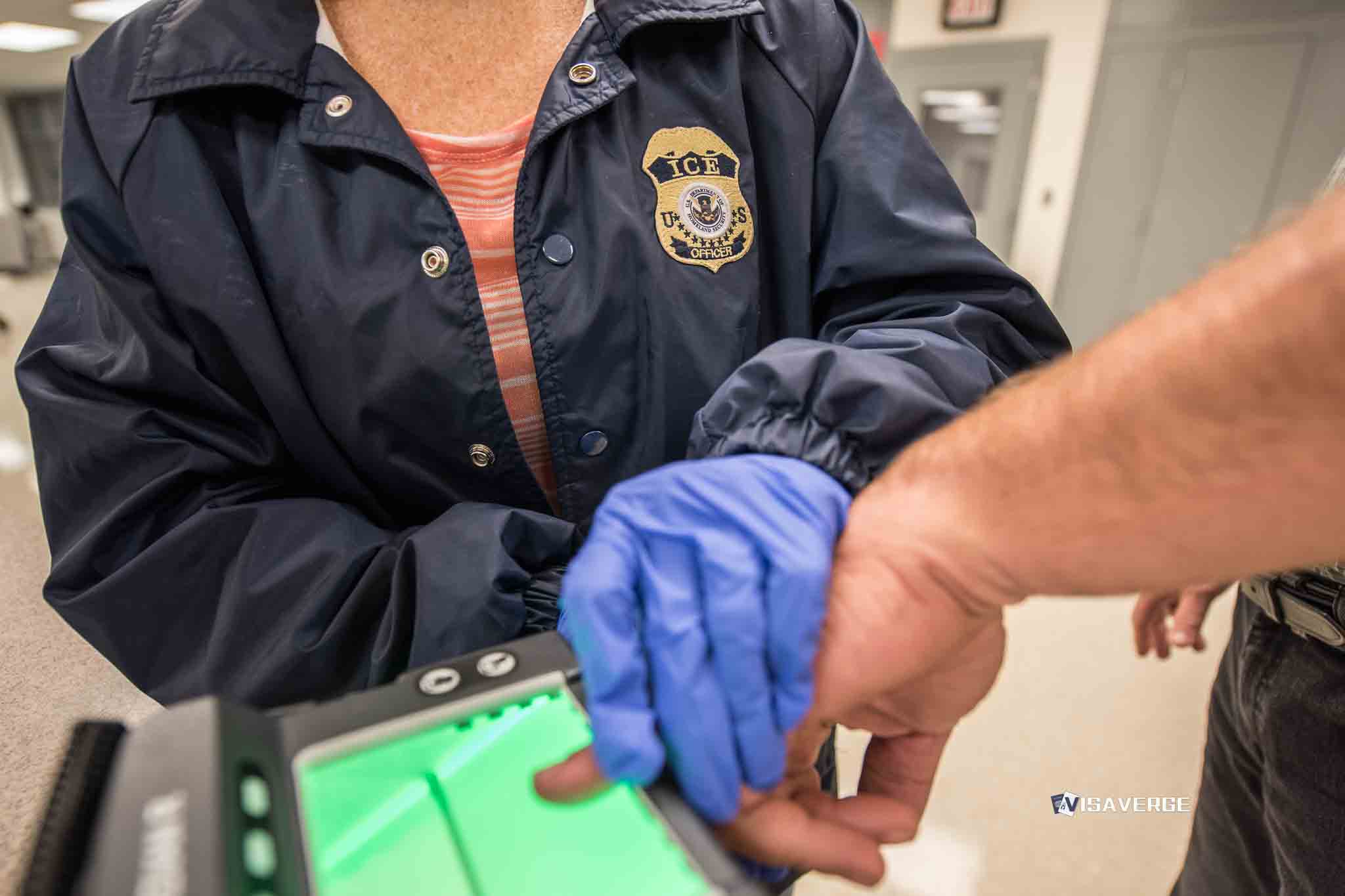
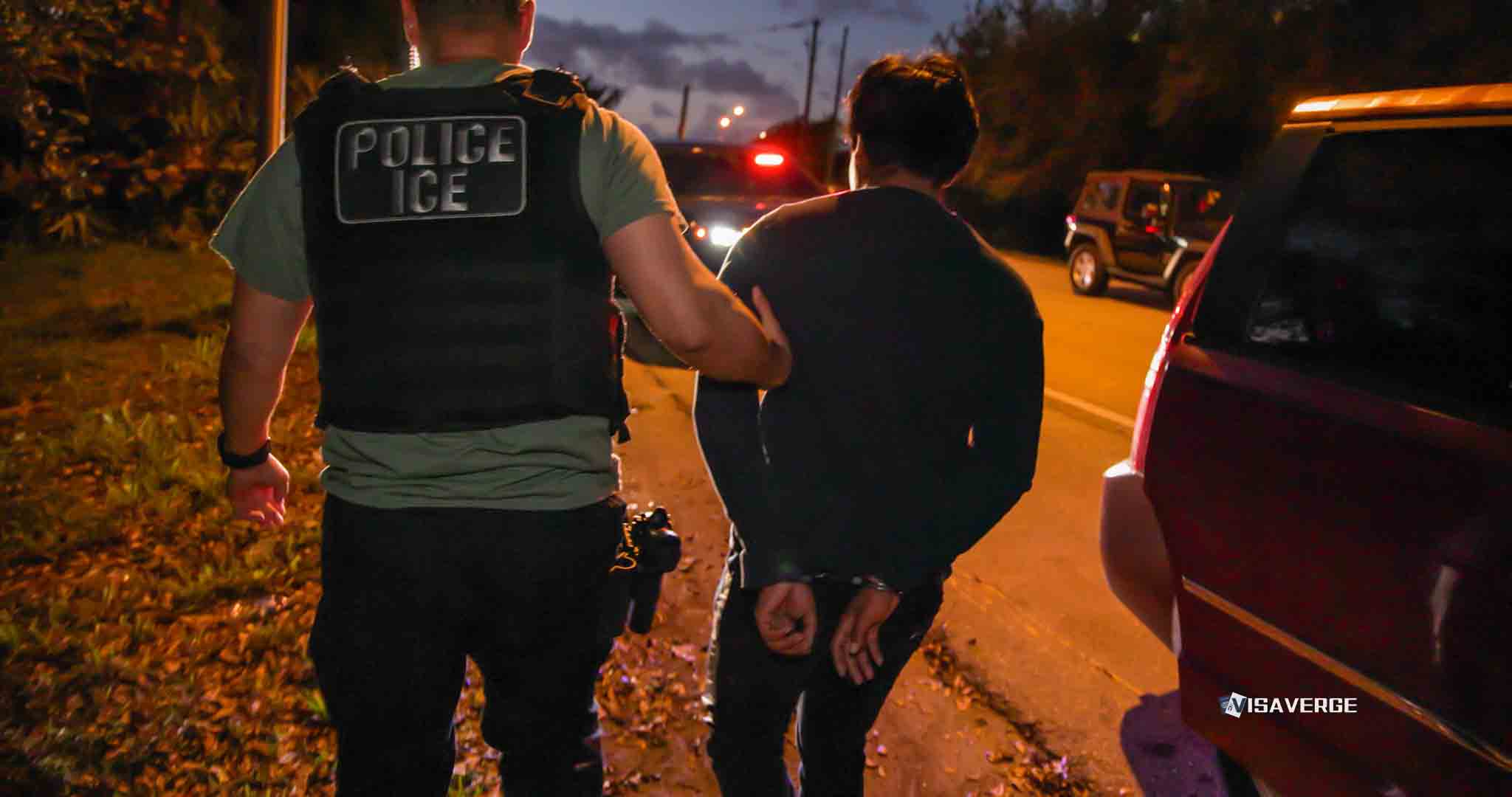
U.S. Immigration and Customs Enforcement detained 42-year-old Kashmiri filmmaker Arfat Sheikh at Washington Dulles International Airport on September 24, 2026, after he arrived from California. The arrest drew immediate concern from supporters. They say he had immigration papers with him.
Sheikh was traveling with author and filmmaker Tara Dorabji, who was due to speak at a September 26 “Art as Resistance” panel at Busboys and Poets in Washington, D.C. Supporters say ICE agents took him aside on the jetway. Dorabji continued to the event.
Dorabji described seeing Sheikh surrounded by men after he called to her:
“As I got off the plane, I walked by Arfat, without realizing that he had been pulled aside on the jetway. Arfat called out to me, and I turned around. He was surrounded by numerous men.”
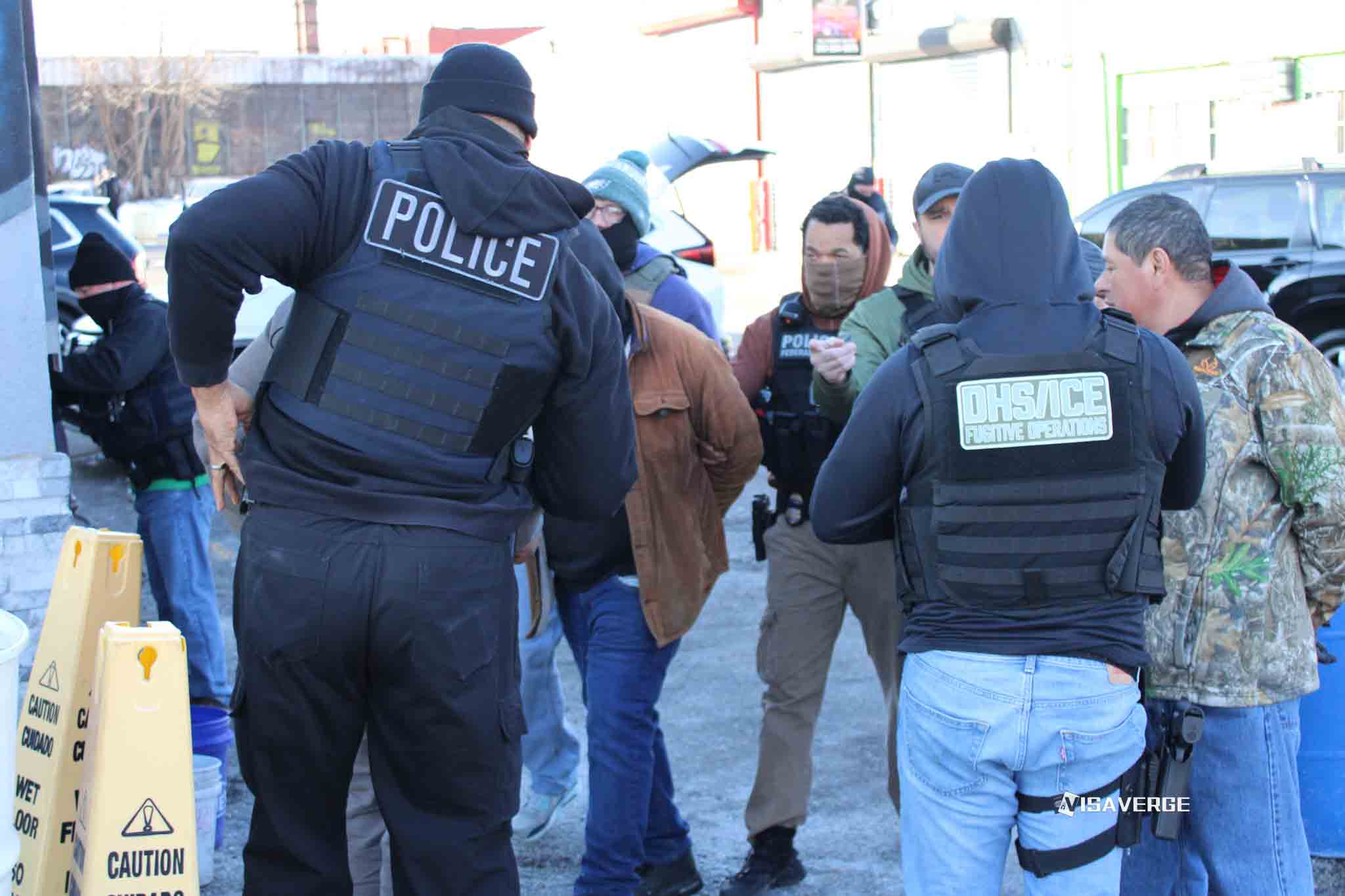
She said Sheikh told her, “Tara, Tara. This is ICE. They have come for me.” Dorabji said the men wore plain clothes, did not show her a warrant or explain why they were taking him, and escorted him onto the tarmac. She said he did not resist.
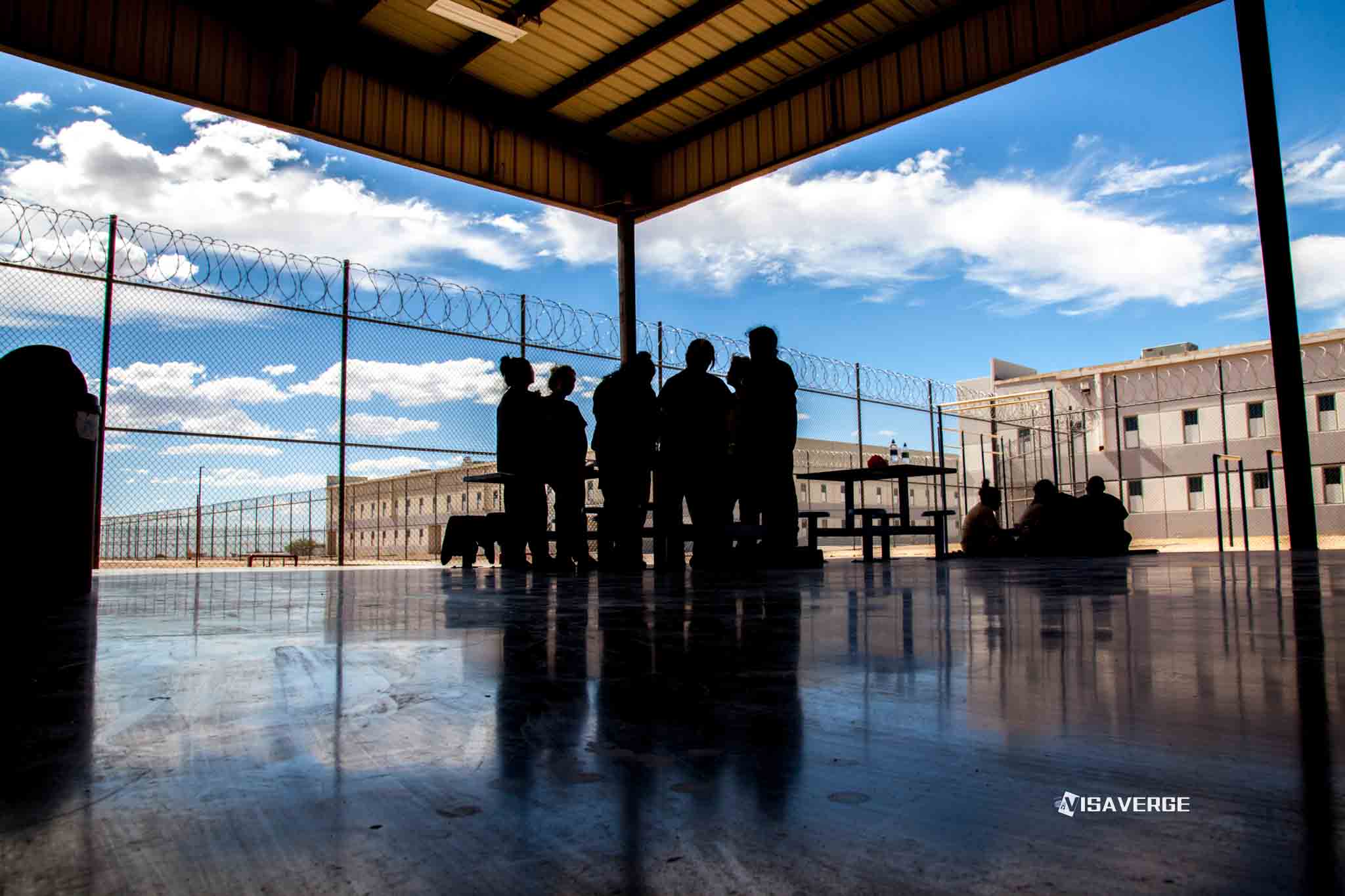
Sheikh is reportedly held at the Caroline Detention Facility in Bowling Green, Virginia. He was scheduled for a procedural hearing and bond assessment before an immigration judge on October 6, 2026. ICE and the Department of Homeland Security had issued no public explanation of the detention as of October 7, 2026.
Witnesses describe an arrest, but the legal basis remains central
The Support Arfat Sheikh’s Release campaign called the detention unlawful. It said Sheikh was taken from the plane while presenting immigration paperwork. The campaign’s account and Dorabji’s description have not established what legal authority officers relied on.
“On September 24th, 2026, our friend and filmmaker, Arfat Sheikh was unlawfully detained by ICE coming off a plane at Dulles Airport (IAD).”
The campaign also said officers surrounded and arrested him “without a warrant.” Dorabji said she did not see anyone present a warrant. That describes what a witness says she observed; it does not, by itself, resolve whether the detention violated federal law.
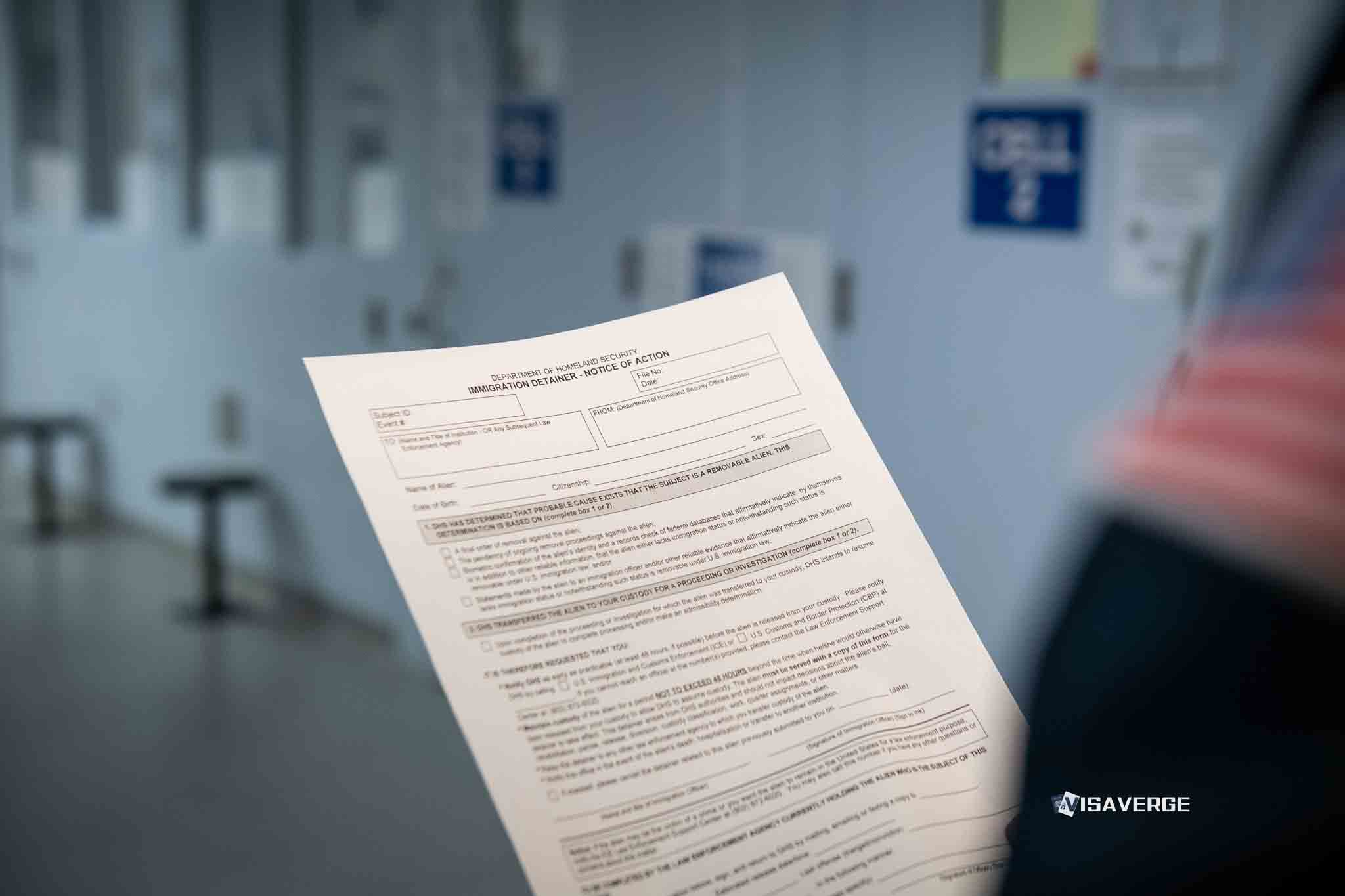
Immigration officers may in some circumstances make arrests without a judicial warrant under federal authority. The legality of a particular arrest depends on the person’s immigration circumstances, the alleged violation, the basis for the arrest and the procedures followed. The accounts made public do not identify the government’s asserted grounds in Sheikh’s case.
A pending asylum claim does not automatically prevent custody
Supporters and Sheikh’s friend Azad Essa say he entered the United States legally on a student visa in 2019 to pursue graduate film studies at Georgia State University’s School of Film, Media and Theatre. He applied for asylum in 2020 and has a pending immigration application, they said.
They also say he holds employment authorization and was authorized to remain in the country while his case proceeded. A pending asylum application or work permit does not automatically prevent immigration detention. Those documents may be relevant to custody decisions, but do not alone determine whether a person can be detained or released.
An immigration judge’s authority to consider bond can depend on the applicable detention rules and the circumstances of the case. The government’s stated basis for custody, Sheikh’s immigration history and any applicable mandatory-detention rule can affect that assessment. Supporters’ description of his paperwork does not answer those questions.
Supporters seek $50,000 for legal representation
Friends, relatives, colleagues and supporters organized an online campaign seeking $50,000 for legal representation and related support. The campaign has also urged people to contact U.S. representatives and senators on Sheikh’s behalf.
Essa has spoken publicly about the detention and reported that Sheikh was being held at the facility in Virginia. The campaign’s fundraising effort is tied to the legal case and efforts to secure his release.
His film and family history shape the campaign’s profile
Sheikh was born in 1984 and raised in Srinagar, Indian-administered Kashmir. His father, Ghulam Nabi Sheikh, was a folk singer and head of music at Radio Kashmir. He disappeared in July 2003 while traveling by train from Jammu to New Delhi.
Sheikh’s debut feature, Saffron Kingdom, explores conflict, displacement and identity through the experience of a Kashmiri family. It won Best Feature Film at the Wake Forest Film Festival and received an Emerging Filmmaker Activist designation at the 2025 Teaneck International Film Festival.
The film screened in more than 100 theaters and streamed in 175 countries, according to the reports about Sheikh’s work. In a 2024 interview, he said:
“We have not been given the agency to tell our stories.”
He also described the risks he associated with speaking publicly through his film: “If you don’t speak up, don’t expect change. That is exactly what I am doing with this film. I am going out there, knowing it will have repercussions.”
This article provides general information and is not legal advice. Consult a qualified immigration attorney about your specific case.