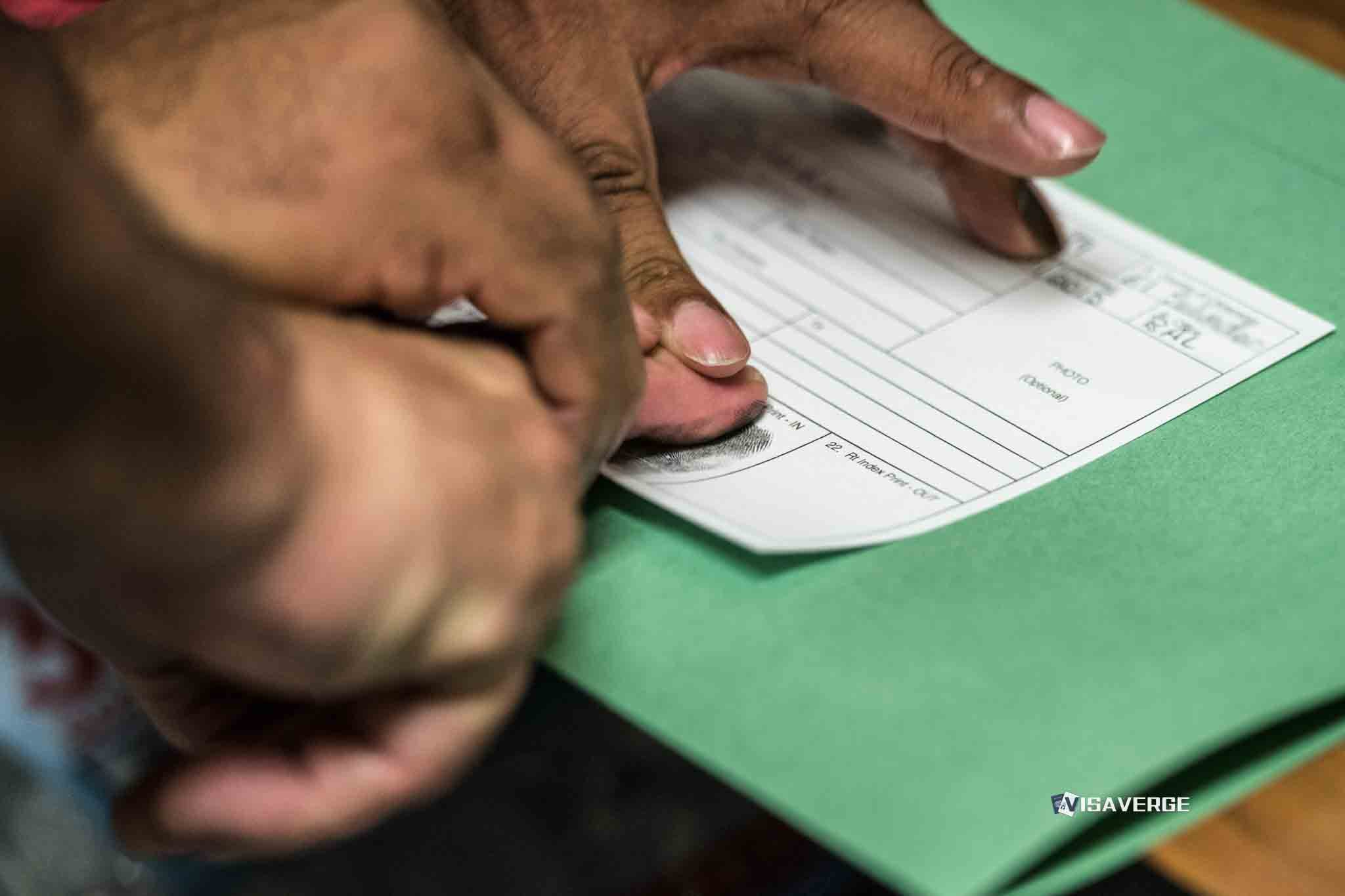
(DURHAM, NORTH CAROLINA) A Durham, North Carolina, family says a local movie theater manager, Mohamed Shama, was taken into ICE detention on October 9, 2025, immediately after a scheduled immigration meeting that they describe as a green card interview. The detention, which occurred in Durham according to relatives, has placed Shama in deportation proceedings and raised fear among applicants who are moving through the lawful permanent residency process in the United States. As of October 22, 2025, no agency has released official charges or a public explanation for the arrest.
Green card interviews inside the country are handled by U.S. Citizenship and Immigration Services (USCIS). ICE, a separate agency, carries out enforcement. Detaining someone at or right after a USCIS interview is rare, though it can happen when there are prior immigration violations, criminal concerns, or past removal orders. Family members say Shama’s detention came without warning, during what they believed would be a routine step in the adjustment-of-status process.

In Durham, where many mixed-status households live side by side, the case has sparked quiet worry. Several residents shared concern that arrests tied to USCIS appointments could discourage people from attending interviews or completing required steps. Local advocates say they have fielded calls from families asking whether it is safe to keep upcoming appointments in North Carolina.
Free toolI-94 Expiration Calculator OnlinePolicy and procedure context
USCIS interviews are a standard part of the adjustment path for many applicants. The agency uses them to verify identity, confirm eligibility, and assess the good-faith nature of relationships in family cases. These interviews are not enforcement events.
A detailed description of the process is available on the USCIS website under “USCIS adjustment interview overview”. That guidance explains typical procedures but does not address individual enforcement actions by ICE.
ICE focuses on immigration enforcement and removal. In 2025, enforcement priorities continue to center on certain categories, including people with criminal convictions, recent border crossers, and those with final removal orders. The agency still has broad discretion to detain noncitizens who are considered removable under federal law.
- In Shama’s case, there is no public sign that he falls into a priority category.
- Nothing official has been released about his record or case history.
There is no nationwide policy that bans ICE from detaining a person during or after a USCIS appointment. While unusual, such actions tend to involve past issues that remain unresolved. Attorneys note they sometimes see detentions tied to older deportation orders or missed court dates, though each case rises or falls on its facts. Without a public filing or statement, it is not clear why ICE acted in Durham on October 9.
People detained by ICE generally have the right to:
– Ask for a bond hearing before an immigration judge.
– Seek relief from removal if they qualify (e.g., asylum, cancellation of removal).
– Retain or hire legal counsel — note that the government does not provide attorneys at no cost in immigration proceedings.
Families often turn to nonprofit legal aid groups or private counsel to prepare filings, request bond, and collect records.
“Community cases like Shama’s can have a chilling effect,” reports VisaVerge.com. Families may postpone interviews or avoid travel for appointments if they fear arrest, even when they have strong eligibility for a green card.
Local advocates in Durham echoed that concern, warning that long delays can harm families and complicate cases.
Local reaction and next steps
In Durham, immigrant support groups have urged ICE to explain the basis for the detention and to consider release while the case is reviewed. They describe a growing tension between the need to follow USCIS steps in North Carolina and the fear that contact with any federal office could trigger enforcement.
There have been no public reports of organized protests or a direct response from federal lawmakers tied to this incident.
Families in similar situations often take several immediate steps:
1. Contact an experienced immigration attorney to assess bond, relief options, and any past orders.
2. Gather documents that show ties to the community, work history, and family responsibilities.
3. Check custody status with ICE’s detainee locator and confirm hearing dates through official channels.
4. Keep copies of any prior case notices, especially older court papers or removal orders.
Shama’s relatives described the arrest as unexpected and deeply upsetting. For a family that thought they were moving one step closer to stability, the shock of detention has real, human costs: missed work, childcare challenges, and emotional strain. Advocates say this is why clear rules and transparent communication matter, especially in a city like Durham that includes many long‑term residents building lives, paying taxes, and raising children.
Broader implications and guidance
While no new national policy has been announced that targets people at green card interviews, local office practices can vary. Legal groups in North Carolina are watching for patterns that might suggest a shift. If a trend emerges, attorneys would likely escalate concerns to regional leaders and press for clear guidance to avoid discouraging lawful applicants.
For now, the main facts remain limited:
– Shama was detained on October 9, 2025, after a reported green card interview, and he faces deportation.
– No public filing explains the grounds.
– ICE retains discretion, and DHS has not rolled out a rule change that would explain this specific action.
The absence of details leaves families guessing about what triggered the arrest, which is exactly what drives fear across immigrant communities.
Applicants in Durham and across North Carolina can reduce risk by:
– Speaking with counsel before key steps if they know of any past problems (missed hearings, prior orders, arrests).
– Having lawyers help check records and explain possible outcomes.
Community groups like the North Carolina Justice Center and national organizations such as the American Immigration Lawyers Association can point families to legal help.
This Durham case also highlights a wider tension:
– People who have built homes, jobs, and relationships in the United States ?? still face a complex system where different agencies have different missions.
– USCIS runs benefits; ICE enforces. When those roles intersect at a single moment—like a green card interview—confusion and fear can follow, even if no new policy is in place.
As of October 22, 2025, the public record holds steady: no official reason, no policy shift, and a family waiting. Local advocates continue to call for Shama’s release while his case is reviewed. Families in North Carolina are watching closely, balancing hope for stability with the hard math of risk, time, and the steps needed for a green card.
This Article in a Nutshell
Mohamed Shama, a movie-theater manager in Durham, North Carolina, was detained by ICE on October 9, 2025 immediately after a reported green card (adjustment-of-status) interview. By October 22, 2025, authorities had not released charges or an official explanation. USCIS conducts adjustment interviews for residency benefits, while ICE handles enforcement; detentions tied to USCIS appointments are uncommon and typically involve prior violations, criminal records, or final removal orders. Local advocates warn the arrest could discourage applicants from attending interviews. Families are advised to seek legal counsel, gather documents demonstrating community ties, monitor ICE’s detainee locator and EOIR for hearing dates, and pursue bond or relief where eligible.