- After the United States deported him in late September 2026, Nicaraguan authorities returned Jarquín to El Modelo prison.
- Jarquín had reported torture during an earlier imprisonment; a 2019 Organization of American States report documented torture at the facility.
- More than six thousand three hundred Nicaraguans were deported from the United States between January and July 2026, according to Human Rights Watch data cited in reporting.
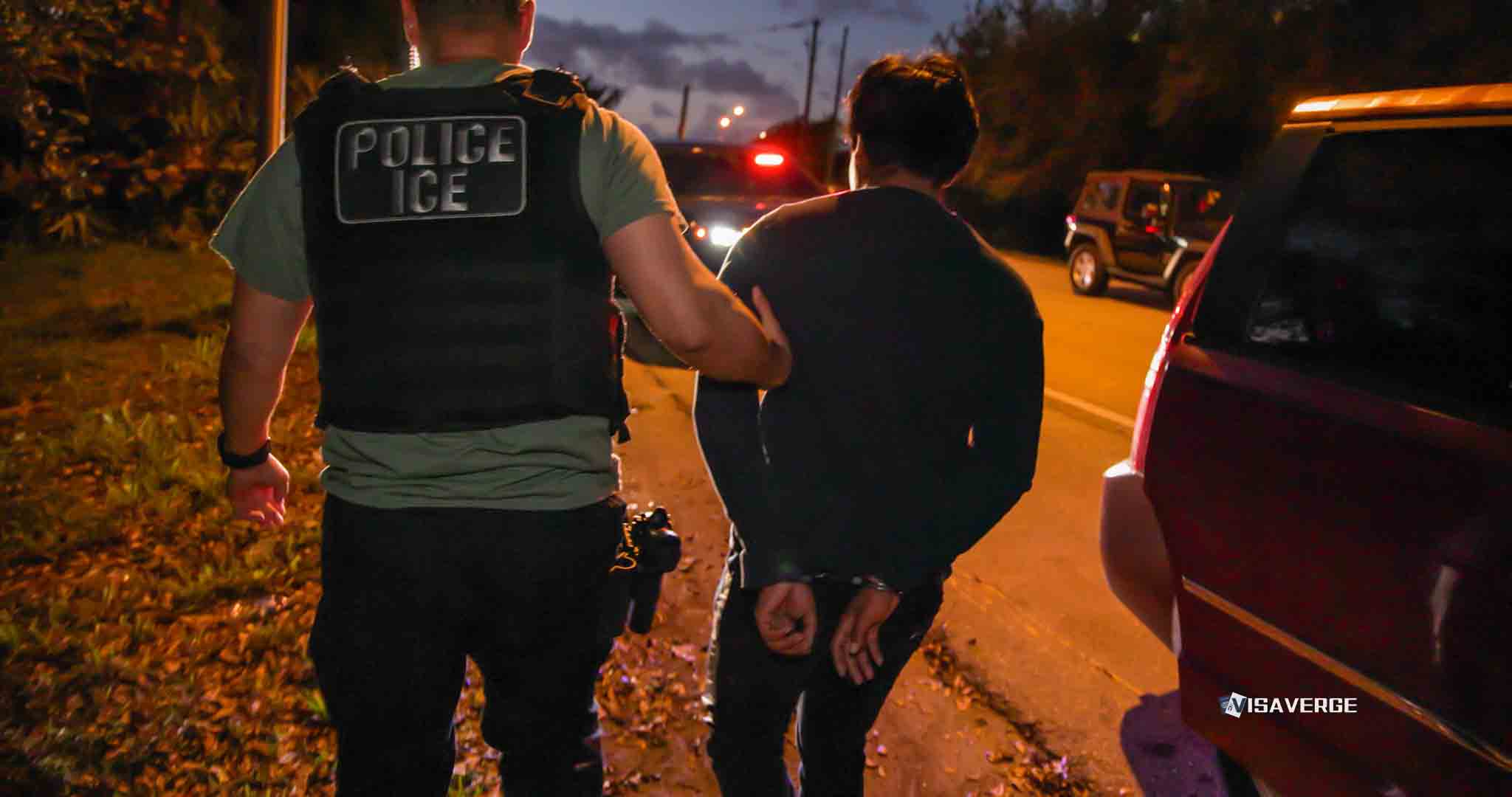
Nicaraguan authorities took Jeffrey Jarquín from Managua’s airport to prison after the United States deported him in late September 2026, relatives and his lawyer said. The 35-year-old opposition activist had previously been held at the facility and said he was tortured there.
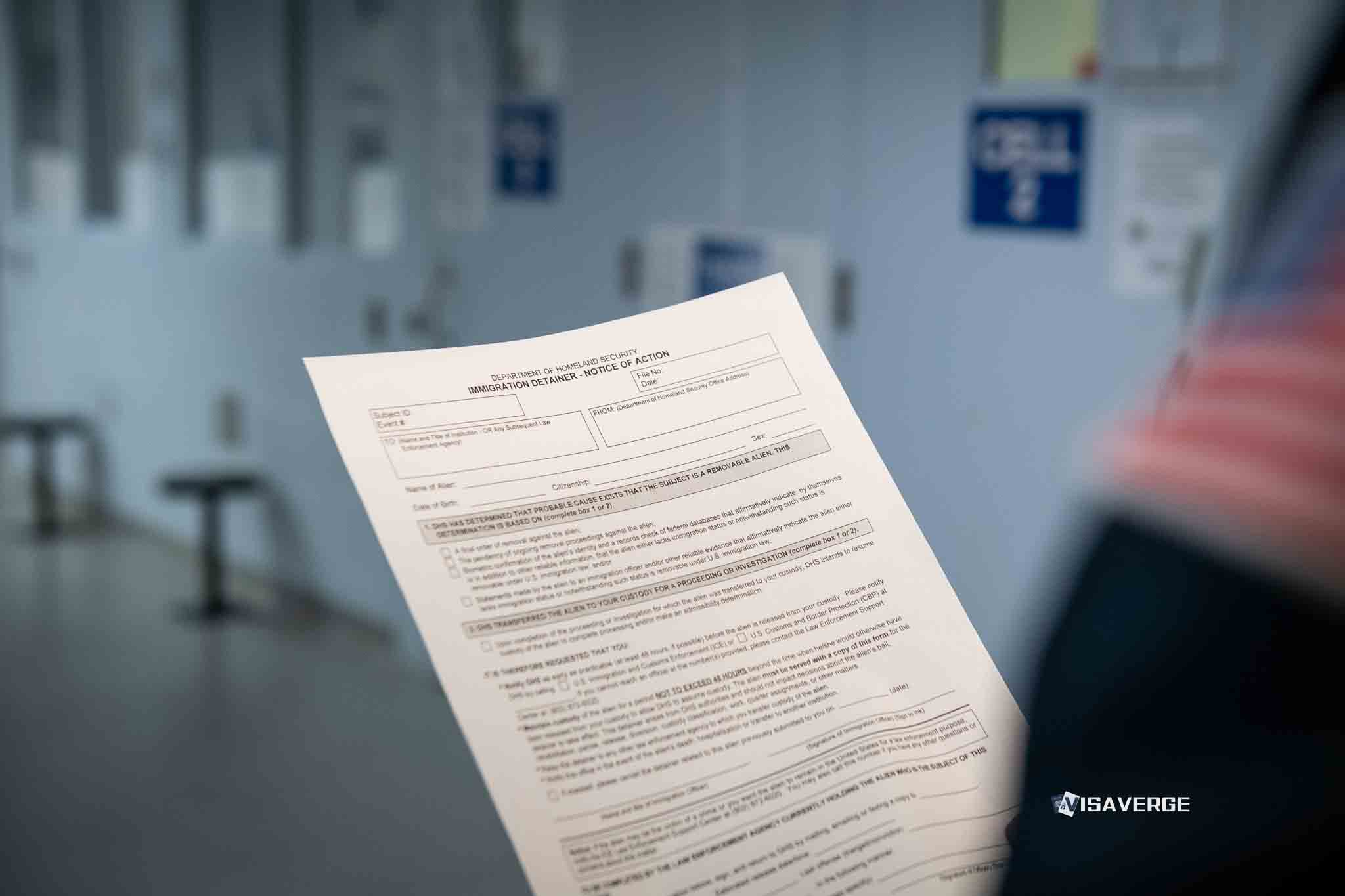
His return followed a dismissed assault case and a failed asylum bid. Jarquín was arrested in Miami in February 2026 on an assault allegation, but the criminal case was dismissed. Immigration authorities pursued his removal while he remained detained.
Free toolUSCIS Receipt Number Decoder
An immigration judge in Louisiana denied his asylum application in July 2026. His attorney, Osley Sallent, said Jarquín agreed to removal only after asking to be transferred to a third country. Instead, he was sent to Managua.
Muriel Sáenz, a Los Angeles-based activist who represented Jarquín at an immigration bond hearing, condemned the return.
“The United States sent him to the very prisons where he had already been tortured.”
Sáenz also called him “a victim of political persecution who has been sent back into the hands of his tormentors.” Relatives, Sallent and human-rights advocates said authorities arrested Jarquín on arrival and returned him to El Modelo prison.
A regional rights body had documented torture at the prison
Jarquín took part in Nicaragua’s 2018 pro-democracy protests and spent about nine months imprisoned after his arrest. He later described severe abuse, including guards burning his genitals with cigarette butts.
A 2019 Organization of American States report documented torture of detainees in prison sections known as “tiny hell.” Jarquín’s account placed his reported abuse inside a facility with a documented record of torture.
The arrests followed nationwide protests that began in April 2018 and grew into a movement demanding President Daniel Ortega’s resignation. Security forces and government-aligned paramilitary groups violently suppressed demonstrations, followed by mass arrests, torture allegations and prosecutions of opposition figures.
Asylum, withholding and torture protection are separate questions
The case raises non-refoulement concerns, a principle that bars transferring someone to a place where they face persecution or serious harm. U.S. asylum law generally bars removal when a person’s life or freedom would be threatened because of a protected ground.
Withholding of removal and protection under the Convention Against Torture are separate forms of potential protection. CAT protection may apply when torture is more likely than not. The result in an individual case depends on the evidence, the immigration judge’s findings and the procedural record, including any appeal or request to reopen proceedings.
The reported facts establish that Jarquín sought asylum and that the assault case was dismissed before immigration authorities pursued removal. They do not establish that he had received a final grant of asylum or another form of protection before deportation.
Thousands of Nicaraguans were deported during the first seven months of 2026
U.S. authorities deported more than 6,300 Nicaraguans between January and July 2026, according to an assessment by Human Rights Watch cited in reporting on the increase in removals. Human Rights First-tracked data showed deportation flights to Managua had increased more than fourfold under President Donald Trump compared with the Biden administration.
Human-rights organizations have documented at least eight Nicaraguan exiles stripped of nationality by the Ortega-Murillo government who were later detained or placed at risk of detention. Jarquín’s reported destination was not simply Nicaragua: advocates said he was taken to the prison where he had previously been held.
Other Nicaraguans encountered U.S. immigration enforcement in 2026:
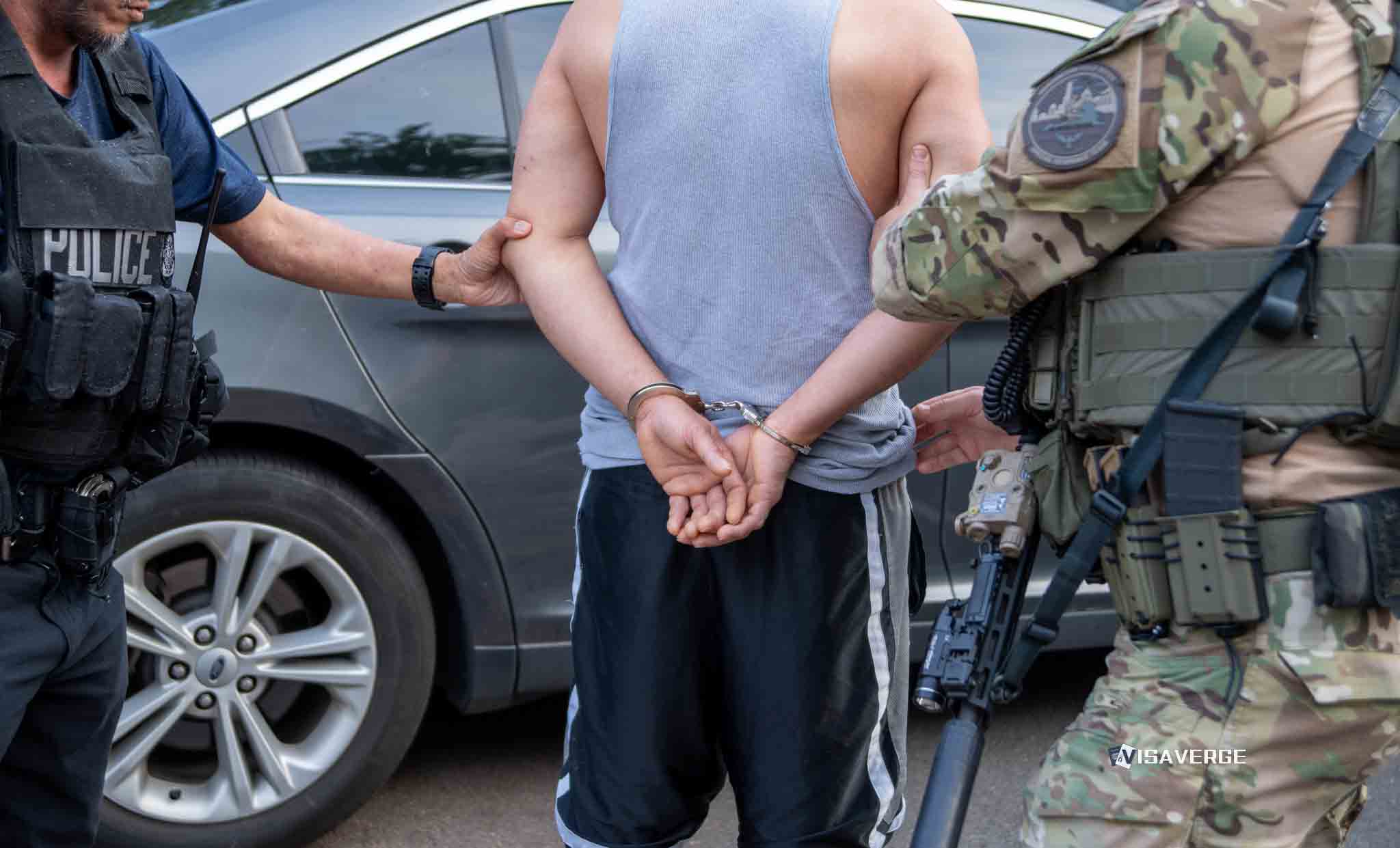
- Denis Javier Palacios Hernández, 38, was detained in Virginia on September 16, 2026, while going to work. Jairo Lenín Centeno Ríos, 34, was detained in Maryland on July 27, 2026.
- Edwin Antonio Hernández Figueroa, 40, was detained near his home in Davenport, Florida, on September 2, 2026. He had reportedly refused to take part in repression while serving as a police officer. Cristhian David Meneses, 34, was detained in Baltimore on April 28, 2026, when he appeared for a court appointment.
- Marlon Antonio Narváez Franklin, 35, was arrested during a police operation in Dallas and later ordered deported to Ecuador. Marlon Gerardo Sáenz Cruz, 65, was detained in Los Angeles on August 17, 2026, during an immigration appointment.
- Luis Galeano, 48, a journalist and director of Café con Voz, was detained in Orlando on September 14, 2026, while working as an Uber driver.
The 2023 expulsion left former prisoners exposed to immigration detention
Nicaragua released and expelled 222 political prisoners on February 9, 2023, sending them to the United States through an arrangement supported by the U.S. State Department. The government stripped the group of citizenship. It included journalists, priests, human-rights defenders, activists and opposition politicians.
Juan Sebastián Chamorro, a former presidential candidate and coordinator of Ciudadanos por la Libertad, was among them. So was Marlon Gerardo Sáenz Cruz, known as “Chino Enoc.” A former Sandinista and former government-aligned paramilitary, he later denounced corruption in the Ortega-Murillo government. He had been imprisoned in Nicaragua in May 2022 on weapons- and drug-trafficking charges that he said were politically motivated.
At a September 30, 2026 Senate hearing convened by Senator Tim Kaine, witnesses discussed the exiles’ continuing vulnerability to U.S. immigration detention. They included Eddy Acevedo, vice president for policy and government relations at the National Endowment for Democracy; Gil Guerra, a Hudson Institute fellow; Deborah Ullmer, regional director for Latin America and Caribbean Programs at the National Democratic Institute; and Chamorro.
Kaine said the former prisoners expected safety in the United States but instead faced “a state of legal limbo,” including detention by Immigration and Customs Enforcement.
Rights groups warn returnees face risk under Ortega and Murillo
Juan Pappier, deputy director of Human Rights Watch’s Americas Division, said deporting Nicaraguan dissidents “makes Washington look hypocritical” given the risk of torture and the international prohibition on refoulement.
The Inter-American Commission on Human Rights also expressed concern about rising detentions and deportations. It warned of “serious risks that return entails for those who are opponents, or perceived as such by the regime, amid the ongoing context of repression and persecution widely documented by the Commission.”
Ortega and Vice President and co-President Rosario Murillo have governed jointly while suppressing political opposition, according to reporting on the crackdown. Juan Pablo Segura, the State Department’s deputy assistant secretary for Western Hemisphere Affairs, recently called their government a “brutal dictatorship that is stealing, lying and murdering.” The U.S. administration has imposed sanctions on Ortega and members of his family while increasing removals of Nicaraguan nationals.
A Department of Homeland Security spokesperson said Galeano had overstayed a tourist visa and encouraged him to self-deport. Representative María Elvira Salazar, a Florida Republican and Trump ally, criticized Galeano’s detention on X: “The United States must always know how to distinguish between a criminal and a political exile.” She added: “Luis cannot end up in the hands of the very dictatorship that persecuted him.”
This article provides general information and is not legal advice. Consult a qualified immigration attorney about your specific case.