- Marlon Gerardo Sáenz Cruz entered ICE detention after a Los Angeles check-in on August 17, 2026.
- He faces a September 8 hearing over whether Nicaragua, a third country, or no country can accept him.
- His case may hinge on CAT protection, which can block deportation without granting permanent status.
Marlon Gerardo Sáenz Cruz, 65, entered ICE detention after immigration authorities arrested him during a check-in in Los Angeles on August 17, 2026. The former Nicaraguan paramilitary now faces removal proceedings and an immigration court hearing scheduled for September 8, 2026.
His case turns on where the United States could send him. Sáenz may face removal to Nicaragua, a third country, or a situation in which no country recognizes him as a citizen.
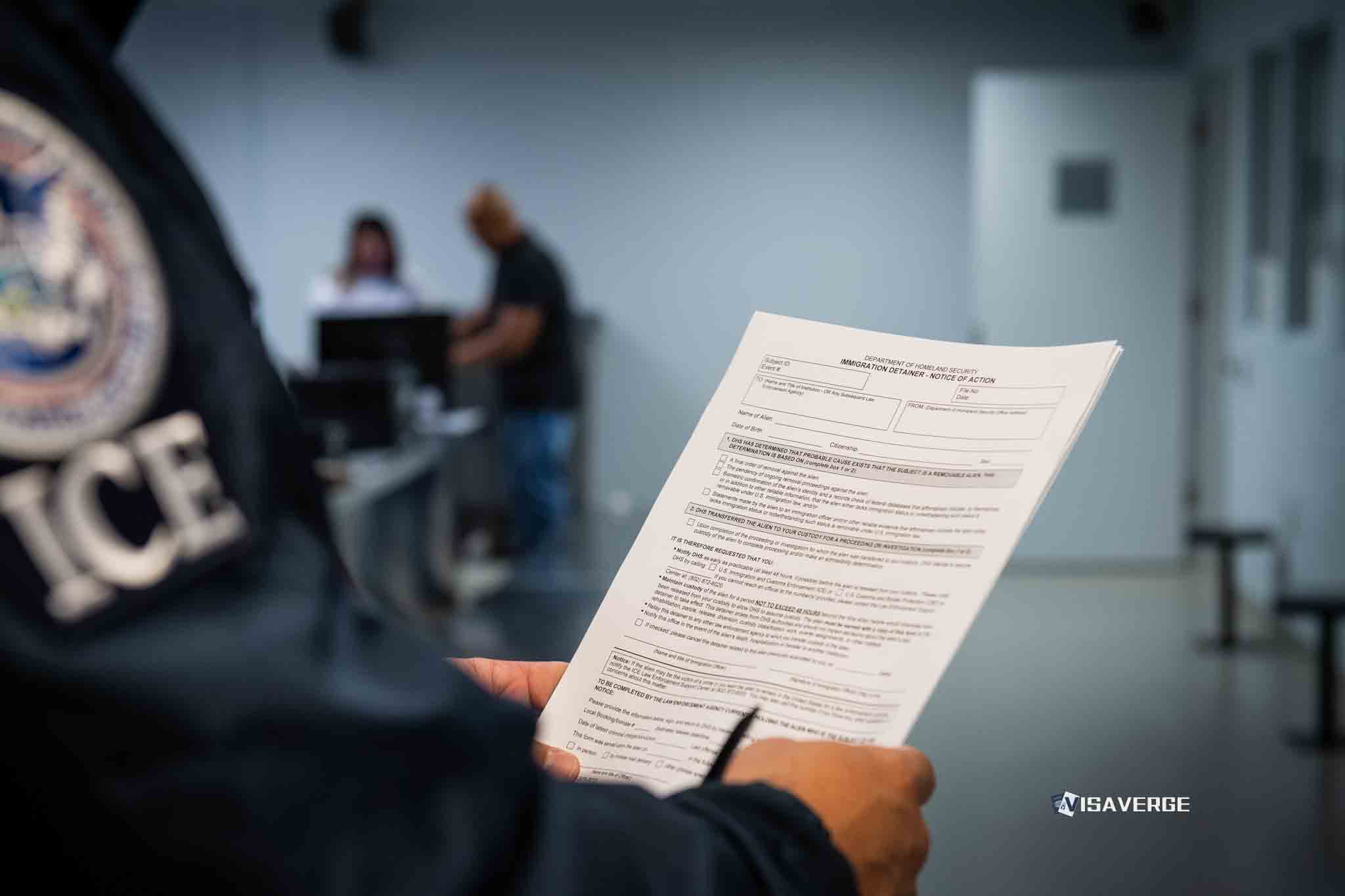
He was among 222 Nicaraguan prisoners brought to the United States in February 2023 after the Ortega government stripped them of their nationality. The State Department brought the group to Washington, D.C., following their release from Nicaraguan custody.
Sáenz had defected from the ruling Sandinista party. He is also known as “Chino Enoc.”
The hearing will test whether Nicaragua or another country can receive him
Sáenz must now ask an immigration judge to let him remain in the United States. His humanitarian parole does not create an automatic route to permanent status, according to the legal framework described in the case materials.
The asylum option may also face a statutory bar if authorities find that he participated in human rights abuses. The listed conduct includes torture, enforced disappearances, and extrajudicial killings.
That issue could place the allegations surrounding Sáenz’s past at the center of the hearing. The record identifies him as a former paramilitary but does not establish the immigration judge’s eventual findings.
CAT protection could block deportation without creating permanent status
Sáenz may seek protection under the Convention Against Torture if he can prove that torture in Nicaragua is more likely than not. An immigration judge may then grant deferral of removal.
Deferral could prevent his deportation to Nicaragua. It would not give him permanent status in the United States, however, and it would not necessarily prevent a later transfer to a third country.
The distinction leaves the case open-ended. A judge could block return to Nicaragua while the government continues to consider another destination.
The potential third-country transfer also creates a separate nationality problem. Because Nicaragua removed Sáenz’s citizenship, another government might receive him without recognizing him as a national.
Third-country transfers have widened the consequences of denationalization
The administration has expanded removals to countries outside the deportees’ countries of origin. The practice has affected people from several countries, including Nicaragua.
| Detail | Reported figure or location |
|---|---|
| Deportees transferred | More than 100 |
| Transfer period | 10 days |
| African destinations | 8 countries |
| Countries named | Burundi, Cameroon, the Central African Republic, Equatorial Guinea, Eswatini, Liberia, Rwanda, and Sierra Leone |
The transfers involved people from Afghanistan, Cuba, Nicaragua, and other countries. Reports dated August 31, 2026, placed the transfers within a broader expansion of third-country removals to Latin America and Africa.
WOLA described the nationality problem in a statement dated August 31, 2026: “Nicaraguans stripped of nationality are left stateless.” Denationalized people can face severe barriers to obtaining documents and returning to Nicaragua.
That concern reaches beyond the question of physical deportation. Removal to a country that does not recognize Sáenz as a citizen could leave him without a secure legal nationality, even if he is not sent back to Nicaragua.
The immigration judge will first address whether Sáenz qualifies for any protection from removal. The court’s decision could determine whether he stays in the United States, returns to Nicaragua, or enters a separate process involving a third country.
His hearing is set for September 8, 2026. This article provides general information and is not legal advice. Consult a qualified immigration attorney about your specific case.