- DHS says its DHS rule starts September 4, 2026, covering only children born on or after that date.
- Children born before September 4, 2026, including births on September 3, are outside the notice’s scope.
- A Maryland injunction separately blocks enforcement of the broader birthright-citizenship order for a certified class.
The Department of Homeland Security drew a birth-date cutoff for its new citizenship rule, excluding children born before September 4, 2026. The interim final rule takes effect that day and applies only to children born on or after the effective date.
The agency’s notice leaves earlier births outside the measure’s stated scope. A child born on September 3, 2026, therefore falls outside the rule’s application based on the date language in the notice.
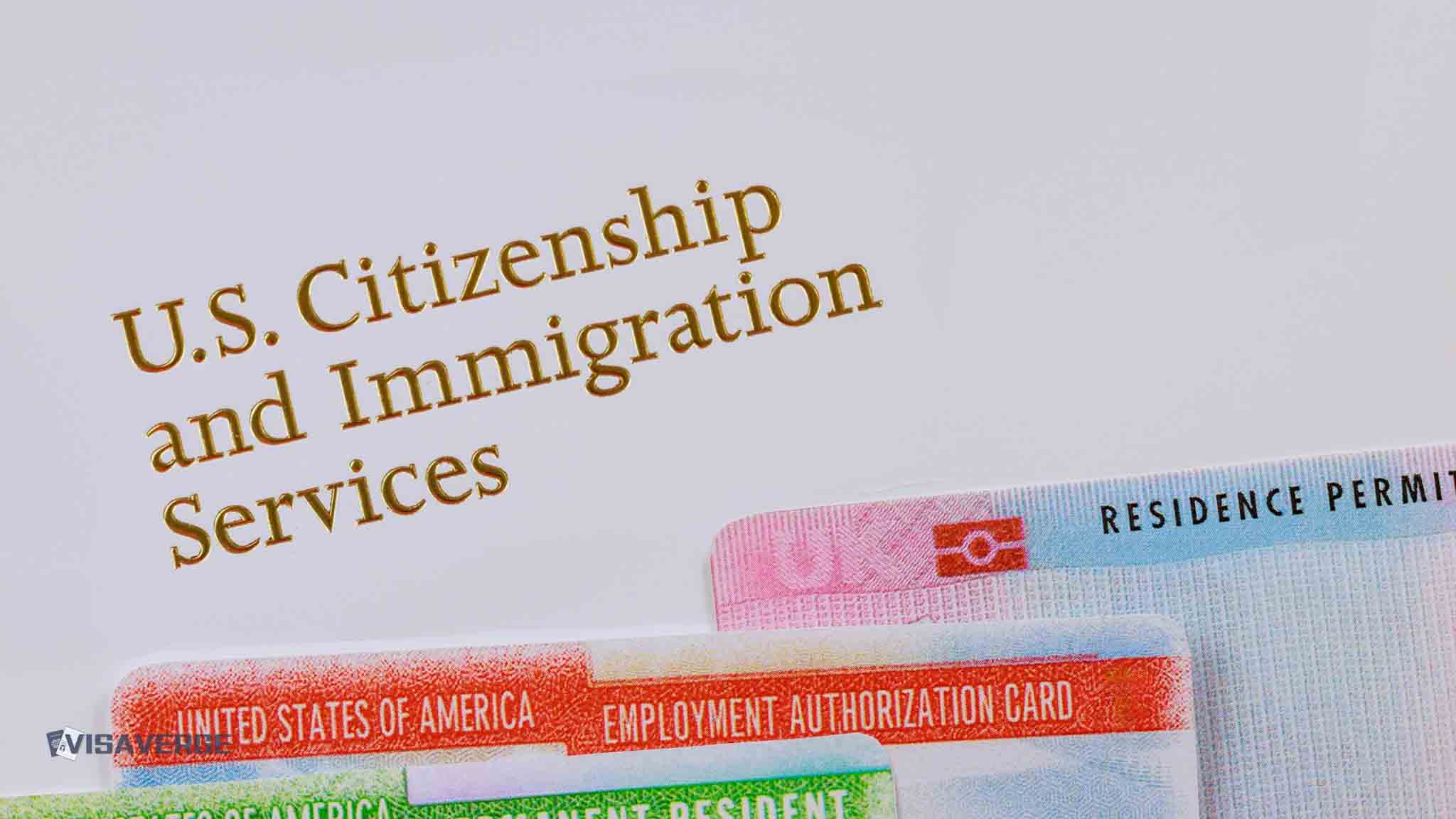
The USCIS alert announced the measure under the title “DHS Announces Rule for Certain Children Born in the United States to Foreign Government Employees.” It describes the action as an interim final rule.
USCIS stated the cutoff directly:
“The interim final rule is effective Sept. 4, 2026, and applies to children born on or after the rule’s effective date.”
That wording places births before the effective date outside the rule’s scope. The application begins with births on Sept. 4, 2026, and later.
The August order supplied the policy backdrop
The rule follows a broader birthright-citizenship effort launched by President Donald J. Trump on August 6, 2026. The White House published the presidential action “Continuing to Protect the Meaning and Value of American Citizenship” that day.
The administration’s policy addressed several categories of children. They included children of foreign government employees, children connected to paid birth-tourism arrangements, and children whose parents belong to designated foreign terrorist organizations or are specially designated global terrorists.
The White House also described the orders as part of an effort to address recognition of U.S. citizenship documents for those groups. The DHS measure announced by USCIS focuses on certain children born in the United States to foreign government employees.
A separate court ruling now forms part of the legal backdrop.
A Maryland injunction adds a separate legal constraint
On September 2, 2026, U.S. District Judge Deborah L. Boardman of the District of Maryland issued a preliminary injunction against enforcement of the administration’s latest birthright-citizenship order. The injunction covers a certified class of children born in the United States after February 19, 2025, whose parents were unlawfully or temporarily present in the country.
Boardman wrote that the order was “almost certainly unconstitutional” as applied to that class. She also wrote:
“The Supreme Court has spoken: Children in the certified class are ‘citizens at birth.’”
The court action concerns the administration’s broader order and a defined class of children. The USCIS notice separately states when the interim final rule begins applying.
| Birth timing | Treatment under the notice |
|---|---|
| Before September 4, 2026 | Not covered by the rule |
| September 4, 2026 | Covered from the effective date |
| After September 4, 2026 | Covered because the rule applies on or after its effective date |
The administration’s August action also referenced the Supreme Court’s decision in Trump v. Barbara, issued on June 30, 2026. That case appears in the background cited for the broader citizenship policy.
The operative date remains the agency’s stated dividing line. Births before it are outside the interim final rule, while births on or after it fall within the rule’s announced scope, subject to the continuing legal proceedings surrounding the administration’s citizenship actions.