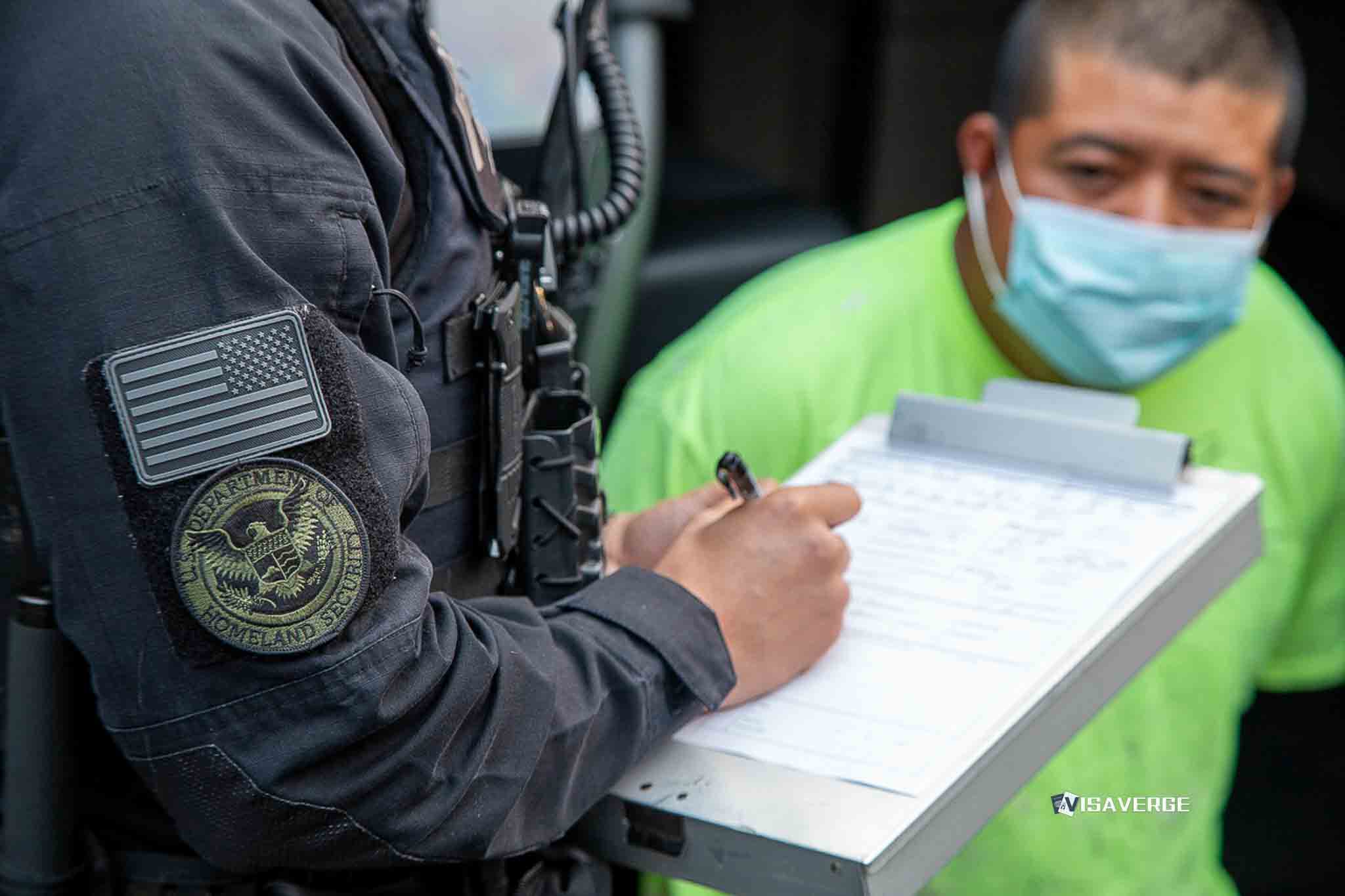
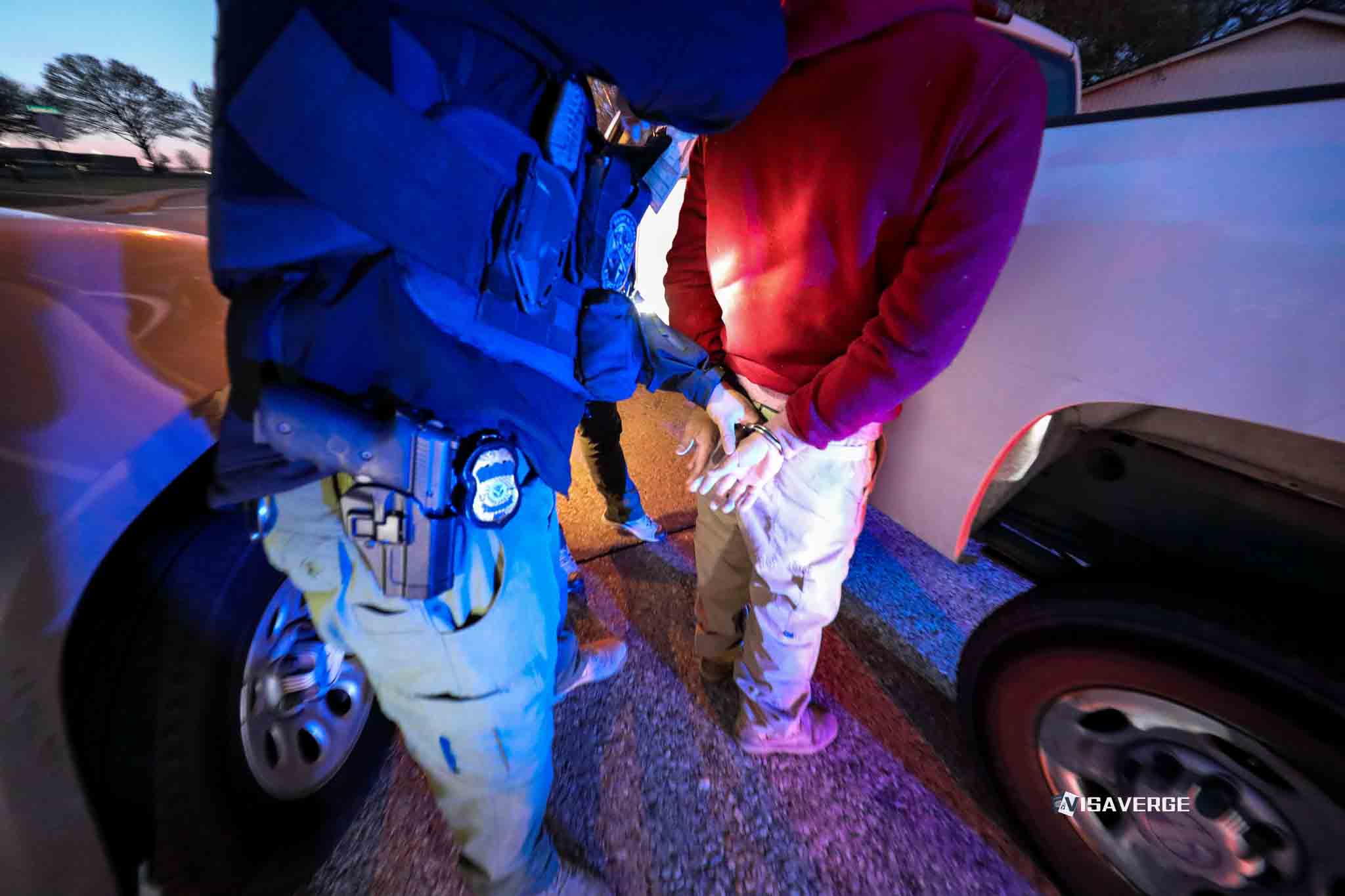
- The administration backed $268.9 billion in deportation enforcement through FY 2029.
- FY 2025-2026 refugee admissions totaled 10,258, with nearly all from white South Africans.
- The policy also included TPS for 350,000 Haitians being canceled, plus third-country removals.
The Trump administration is pairing a multiyear deportation enforcement buildup with a refugee program that admitted 10,258 people, almost all white South Africans, in FY 2025–2026. Congress and federal agencies have committed $268.9 billion to immigration enforcement from FY 2025 through FY 2029, according to the Institute for Policy Studies.
The refugee admissions came during the same fiscal period. Three people were from Afghanistan; the remaining admissions were white South Africans.
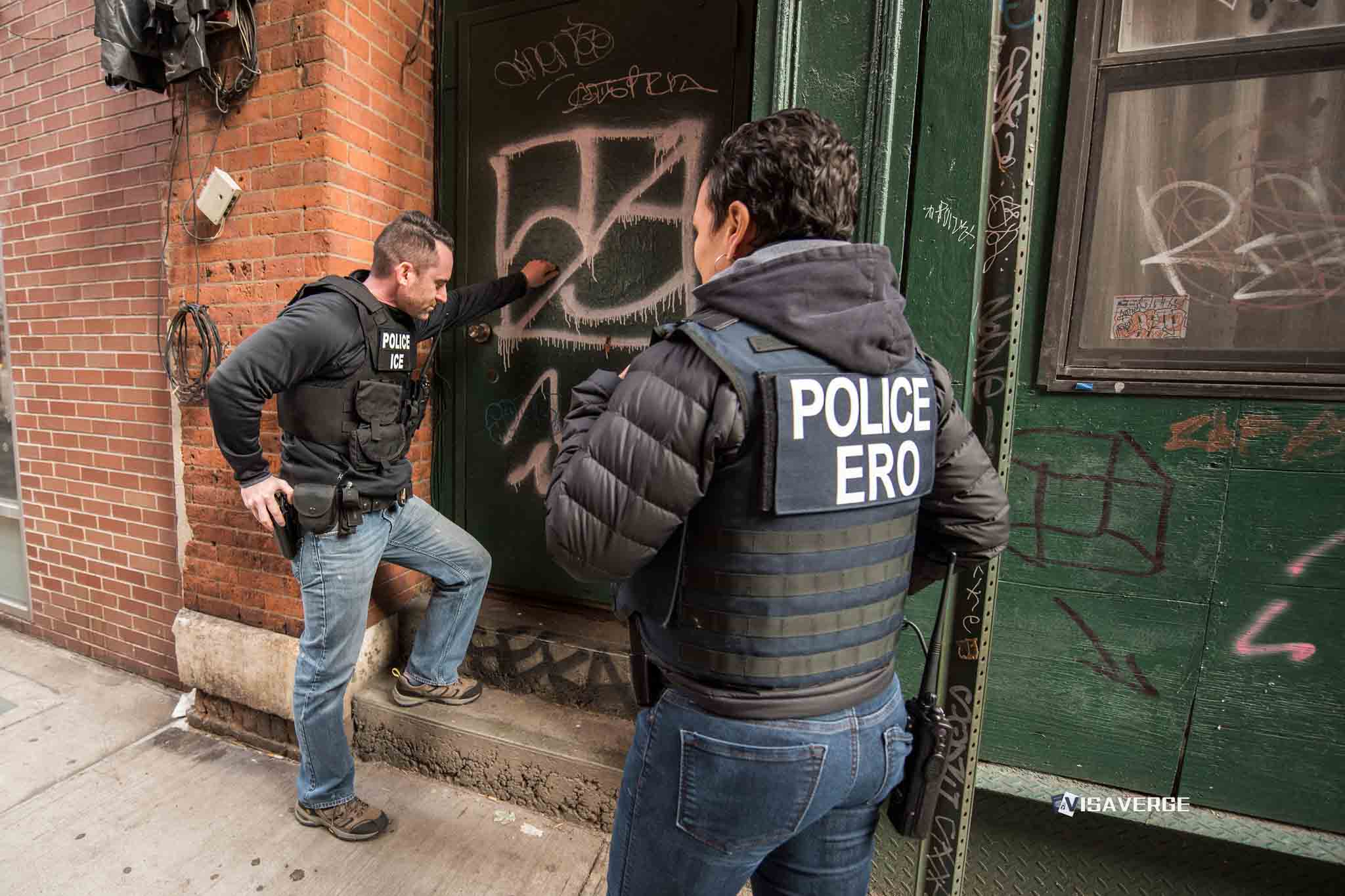
The contrast has become a central point in the debate over the administration’s immigration priorities. It also includes the cancellation of TPS for 350,000 Haitians, according to an analysis of the policy.
The Department of Homeland Security defended the enforcement spending and campaign.
“It’s ridiculous that investments to enforce the law are making headlines while the devastating consequences of breaking it went completely ignored under the Biden administration.”
“Deportations are absolutely vital to stop the bleeding.”
A DHS spokesperson made both statements while urging migrants without legal status to leave through the CBP Home App. The agency also referenced a $2,600 stipend and a free flight out of the United States.
The enforcement bill draws money from several federal streams
The $268.9 billion estimate covers more than Immigration and Customs Enforcement’s ordinary budget. It includes money from the One Big Beautiful Bill Act, the Secure America Act, regular appropriations, and repurposed Department of Defense money.
The commitments run through 2029. They form the financial base for the administration’s wider enforcement operation, including arrests, detention, removals, and arrangements for deportees sent to countries other than their own.
Heidi Shierholz, president of the Economic Policy Institute, said in a August 5, 2026 statement that deportation spending competes with domestic priorities.
“Each dollar spent on mass deportations is a dollar not invested in education, health care, or affordable housing.”
The taxpayer burden varies by location. A separate analysis put the average cost of mass deportations at $2,358 per U.S. taxpayer.
| Location or measure | Reported amount |
|---|---|
| Average U.S. taxpayer | $2,358 |
| Washington, D.C. | $3,930 |
| West Virginia | $1,297 |
Refugee aid rose as admissions narrowed sharply
The administration was reportedly doubling initial resettlement aid to $4,500 per person for the South African cohort. The payment is often called “Welcome Money.”
Recipients may also qualify for cash assistance through Temporary Assistance for Needy Families or Refugee Cash Assistance. The reported admissions profile made the program unusually concentrated: 10,258 people entered through resettlement, with only three Afghans among them.
The policy analysis described the deportation campaign as targeting Black and brown immigrants while favoring white refugees. Haitian nationals faced a separate change when the administration canceled Temporary Protected Status for 350,000 people.
Temporary Protected Status can shield eligible nationals of designated countries from removal and allow them to work in the United States. The research ties the Haitian cancellation to the same policy contrast, but provides no separate implementation details for that change.
Third-country removals added separate payments
The deportation campaign has also relied on agreements with governments outside the countries where some migrants hold citizenship. A February 2026 Senate Foreign Relations Committee Democratic staff report said the United States spent at least $40 million to deport about 300 migrants to countries other than their own.
The reported payments included several African governments.
| Recipient country | Reported payment or detail |
|---|---|
| Liberia | $5 million, paid in January 2026 after State Department approval |
| Eswatini | $5.1 million |
| Rwanda | $7.5 million |
| Sierra Leone | $1.5 million |
| Third countries overall | At least $44 million flowed directly to governments |
Liberia’s Information Minister Piah said accepting deportees would not cost Liberia “a single cent.” The government issued a separate statement rejecting the idea that it had sought compensation.
“Liberia has neither requested nor received compensation or the promise of a reward in exchange for its consent to participate in the program.”
Reported agreements also involved South Sudan, Ghana, Equatorial Guinea, Cameroon, Congo, Uganda, and the Central African Republic, alongside Liberia, Eswatini, Rwanda, and Sierra Leone.
The arrangements have created another channel for enforcement spending beyond domestic detention and removal operations. They also raise questions about how the United States funds countries that accept deportees who are not their nationals.
The administration’s message to migrants focuses on voluntary departure tools. The DHS spokesperson said migrants should “take control of their departure with the CBP Home App,” with a stipend and free flight offered as incentives.
The resettlement program followed a different path. By FY 2025–2026, nearly every admitted refugee in the reported cohort was a white South African, while Haitian nationals faced the loss of temporary protection and the deportation system expanded toward FY 2029.
This article provides general information and is not legal advice. Consult a qualified immigration attorney about your specific case.