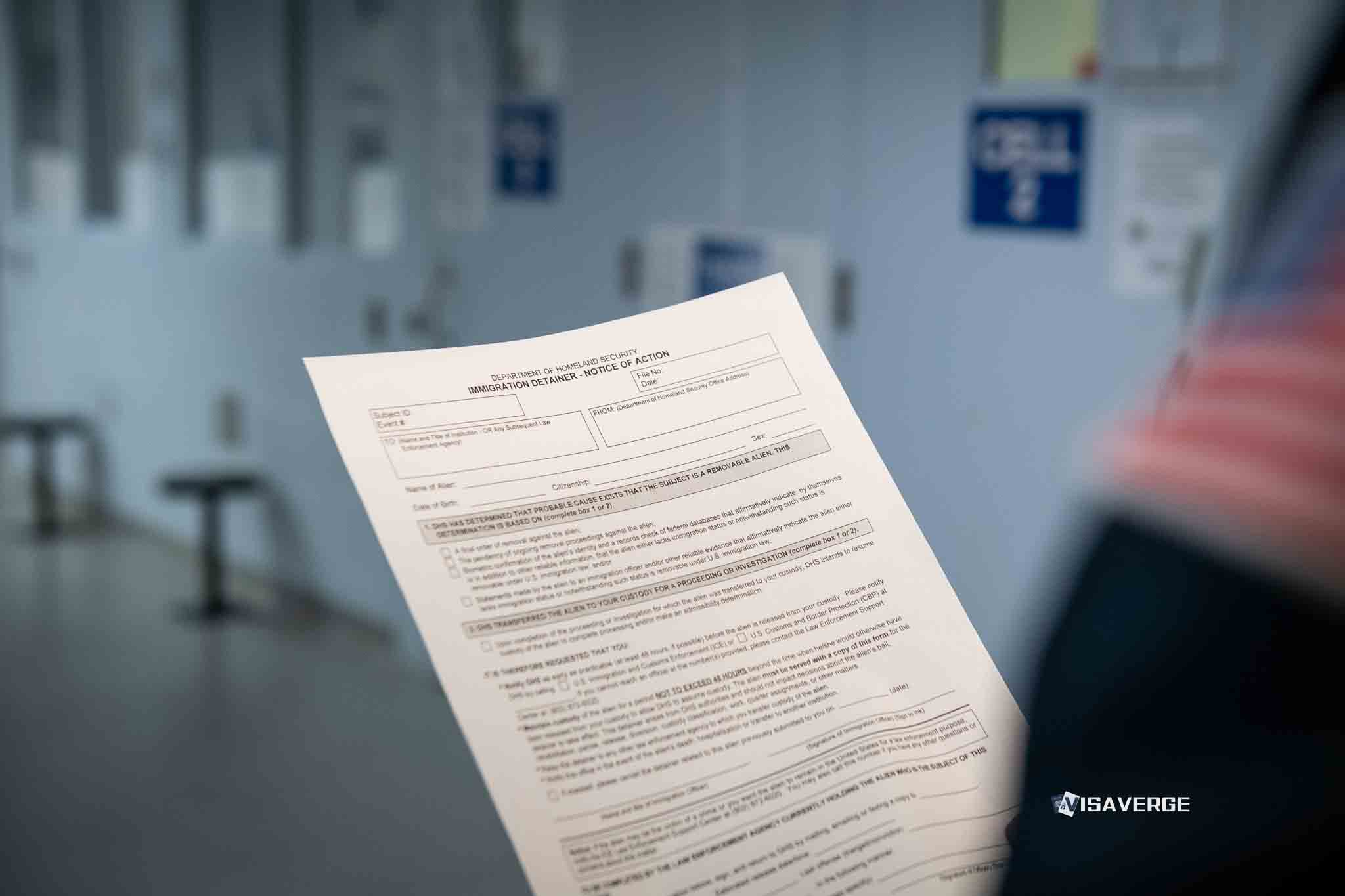
- Federal prosecutors filed no charges one year after the Hyundai megasite raid in Bryan County, Georgia.
- About 475 workers were detained or arrested, including roughly 300 South Korean nationals.
- The construction project continued, and the Hyundai-LG plant was reported fully operational one year later.
Federal prosecutors filed no charges in the Hyundai megasite immigration case one year after agents arrested about 475 workers at the Bryan County, Georgia, construction site.
A Department of Justice spokesperson confirmed the status on September 7, 2026. Federal court records listed the case as closed.
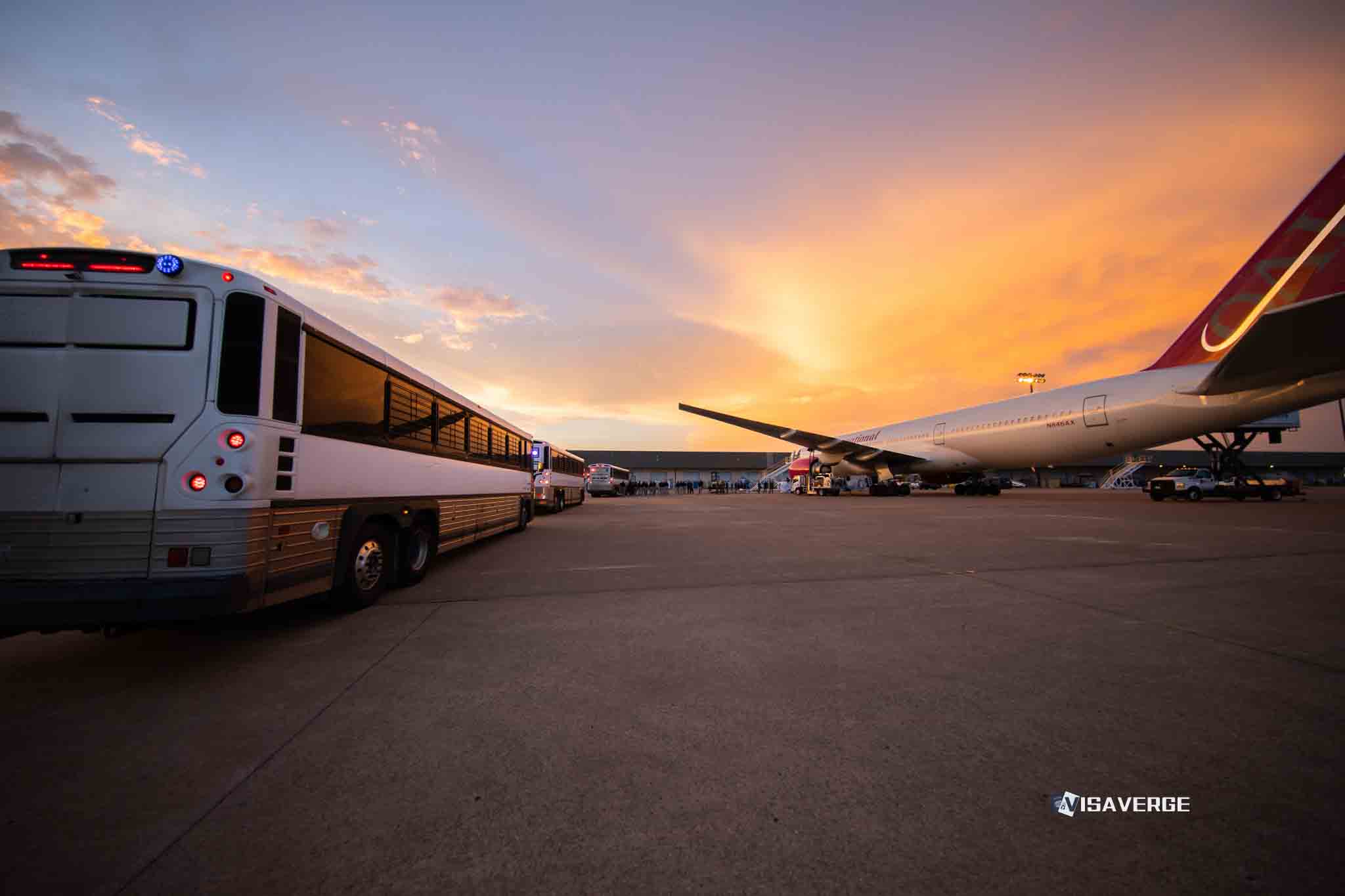
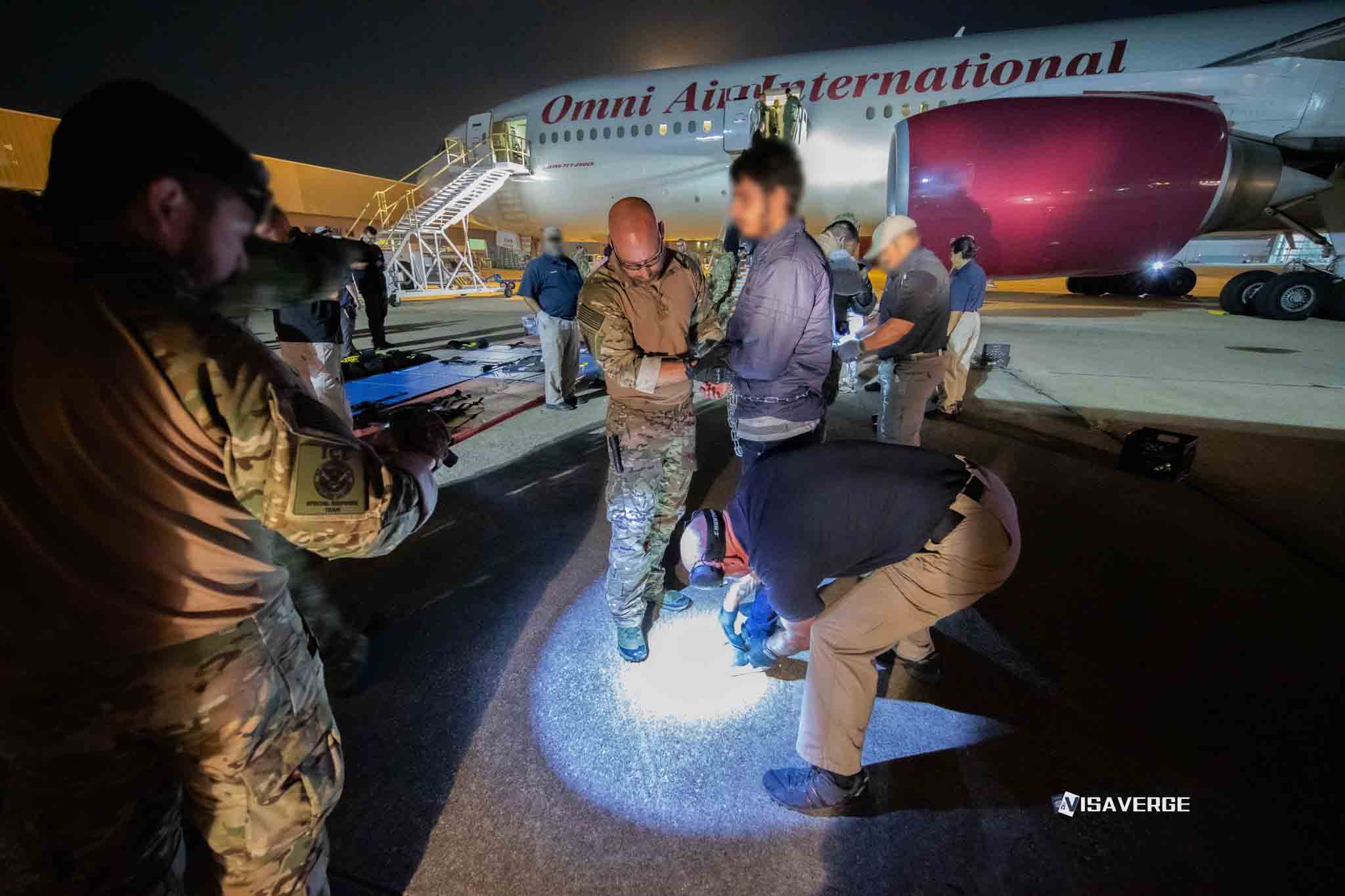
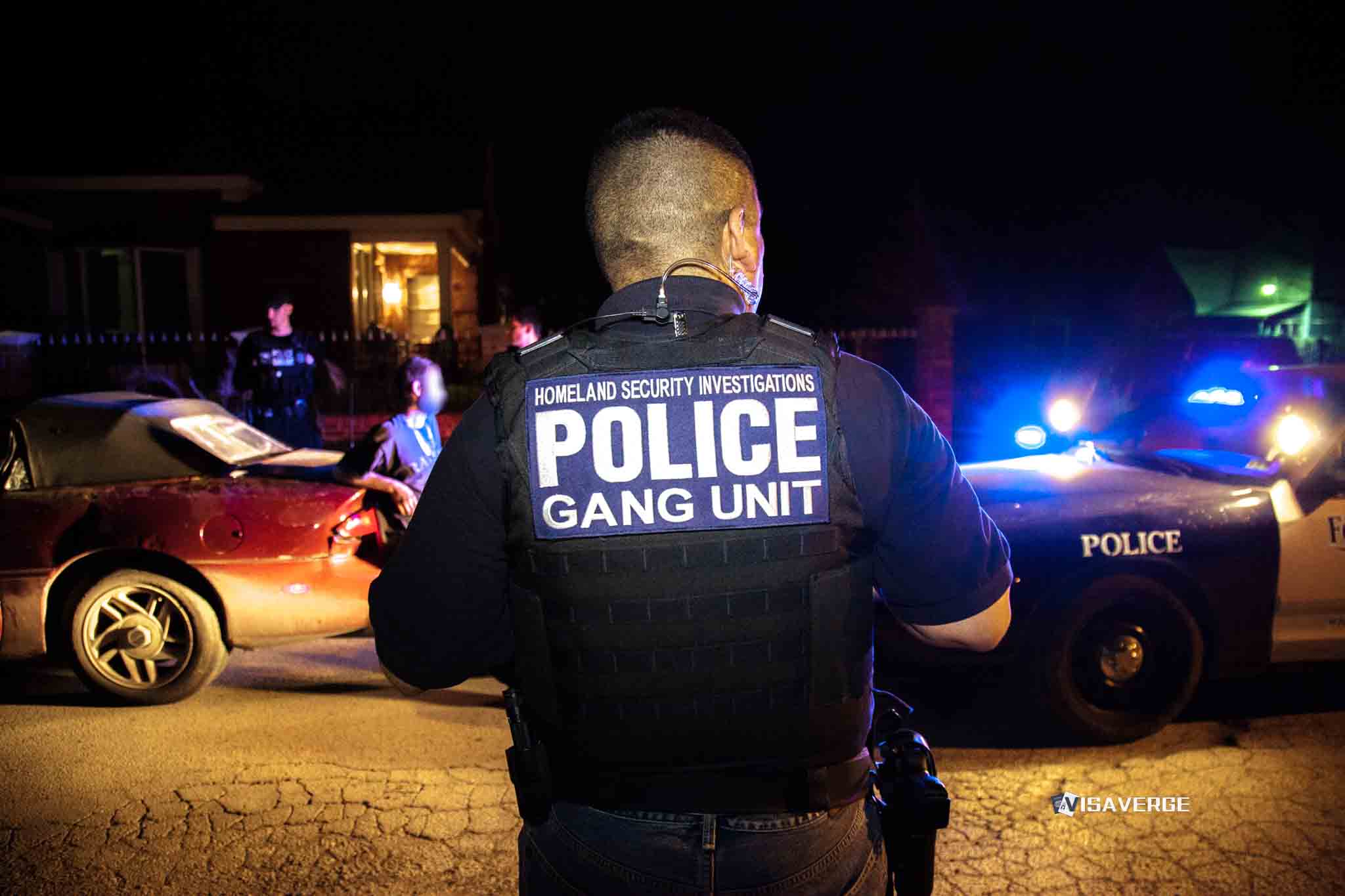
The operation took place on September 4, 2025. It became known as the largest single-site enforcement action in Homeland Security Investigations’ history.
The criminal case is over. The human and civil fallout continues.
Search warrants said investigators were examining a possible conspiracy to harbor undocumented workers, along with other alleged illegal employment practices. The companies connected to the project have faced no reported criminal consequences from that investigation.
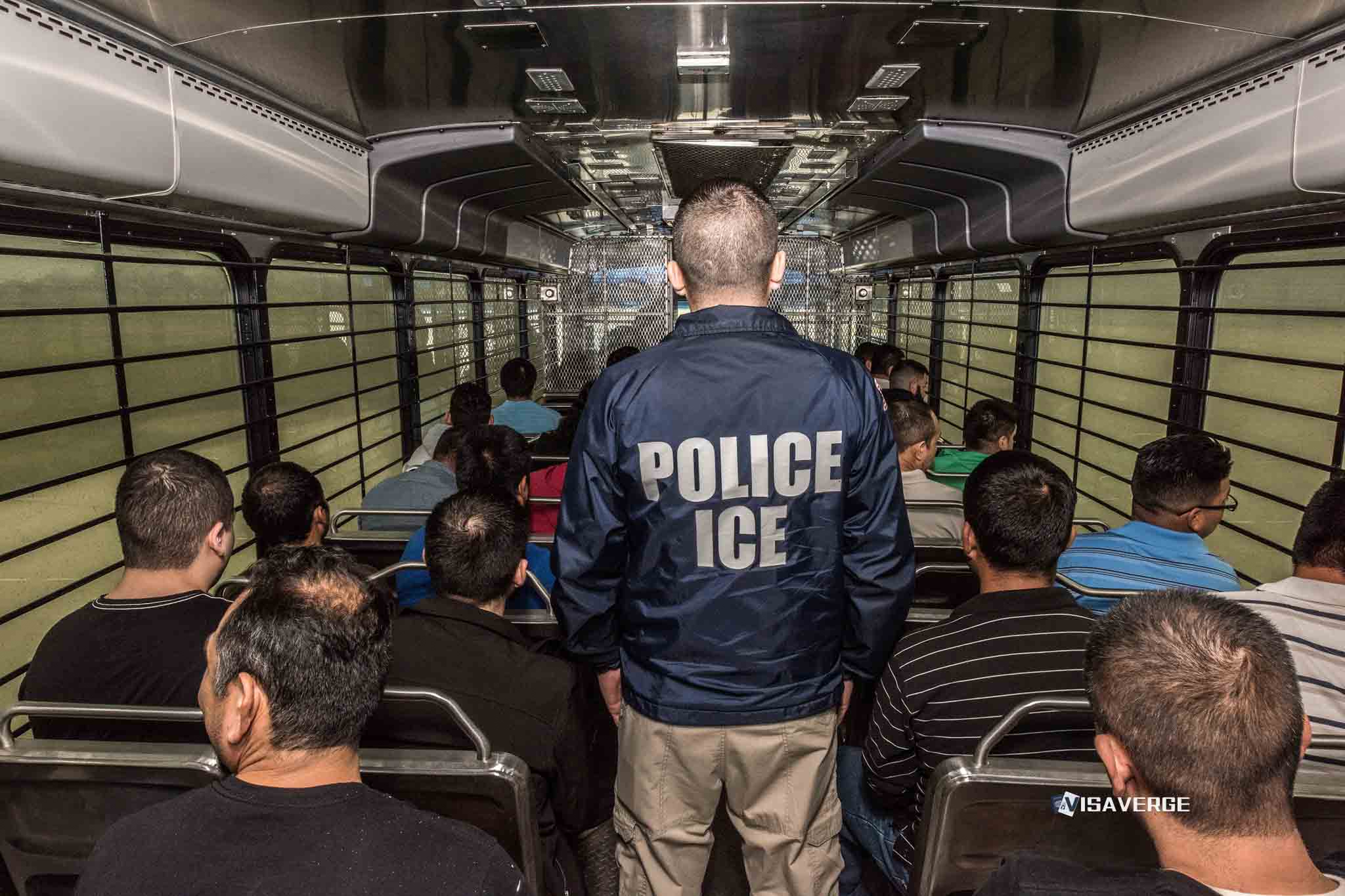
About 475 workers were detained or arrested. Roughly 300 were South Korean nationals, making the operation an immediate issue in relations between Washington and Seoul.
President Donald Trump first defended the action. By October 2025, he had changed his position.
“I was very much opposed.”
Trump also said the project required specialized workers during its initial phase.
“Look, when they come in and they’re making very complex machinery, equipment, things, they’re going to have to bring some people in at least at the initial phase.”
In later comments, he framed the work as requiring technical expertise.
“Making batteries is complicated and dangerous,” followed by, “You’re going to need that talent.”
The operation ended quickly, but its effects did not
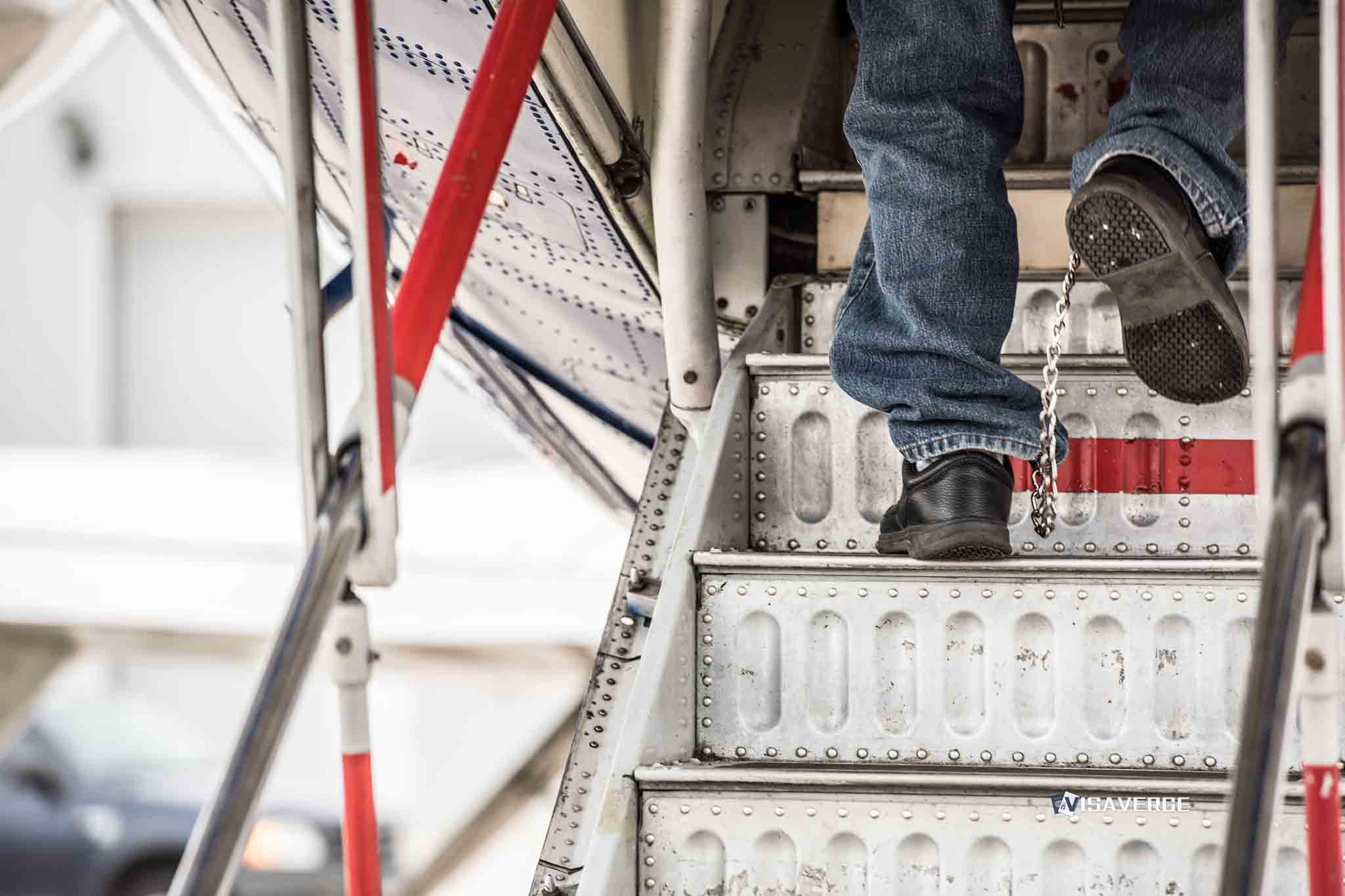
South Korean officials worked to secure the detained nationals’ return. Reports said the workers were repatriated after eight days in detention.
Some workers were later deported. More than 300 South Korean nationals were released and returned to South Korea after eight days, according to coverage of the aftermath.
| What followed | Reported outcome |
|---|---|
| Detention | Workers remained in custody for eight days before the reported return process concluded. |
| South Korean nationals | More than 300 were released and returned to South Korea. |
| Deportation | Some workers faced deportation after the operation. |
| Family impact | Detention, deportation consequences and separation continued after the arrests. |
The enforcement action drew international attention partly because so many of those detained were South Korean nationals. It also strained U.S.-South Korea relations.
Migrant-support groups marked the anniversary in Savannah. They said they had helped reunite at least nine families during the following year.
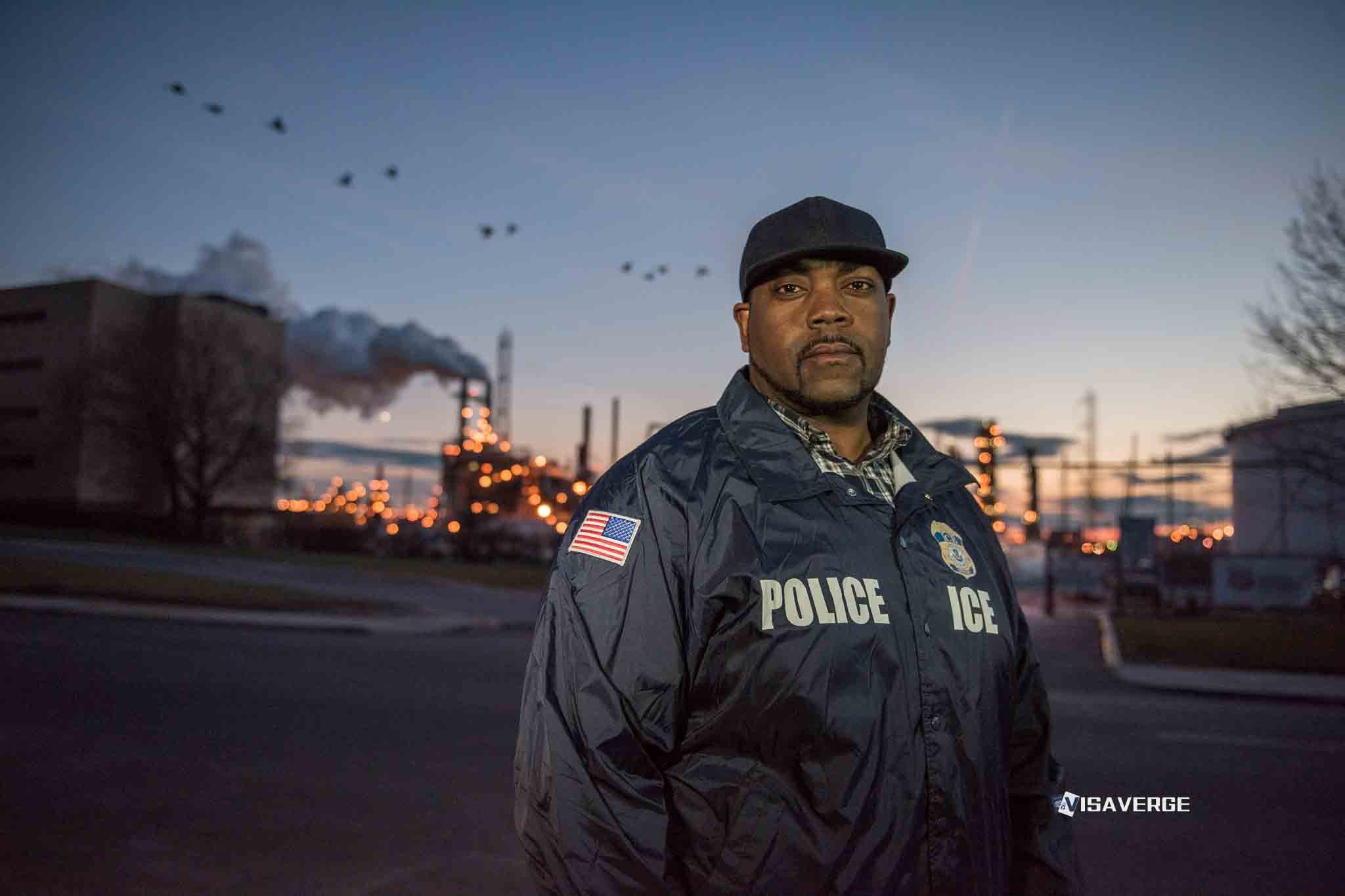
Civil claims have added another legal track. A Latin American worker reportedly filed a Federal Tort Claims Act claim alleging unlawful arrest and mistreatment during the operation. The claim describes alleged violent and unlawful conduct by ICE officers.
A civil claim is separate from the closed criminal investigation. Its allegations would proceed under a different legal framework and do not establish liability by themselves.
The construction project moved on while the legal record stayed closed
The battery project continued after the arrests. Reporting said construction on the Hyundai-LG plant had been completed one year later.
One account described the Hyundai Motor Group Metaplant America as fully operational. The facility’s reported progress contrasted with the closed federal case and the continuing claims from affected workers.
The operation also altered the political discussion around foreign workers at large industrial projects. Trump’s later comments acknowledged that specialized labor could be needed while complex manufacturing systems were being established.
The warrants had focused on alleged worker-harboring and employment violations. The Justice Department’s confirmed position as of September 7, 2026, was that prosecutors had filed no charges connected to the operation.
The families and workers affected by the arrests still faced separate consequences, including detention, deportation issues and family separation. At least one civil claim remained part of that continuing aftermath.
This article provides general information and is not legal advice. Consult a qualified immigration attorney about your specific case.