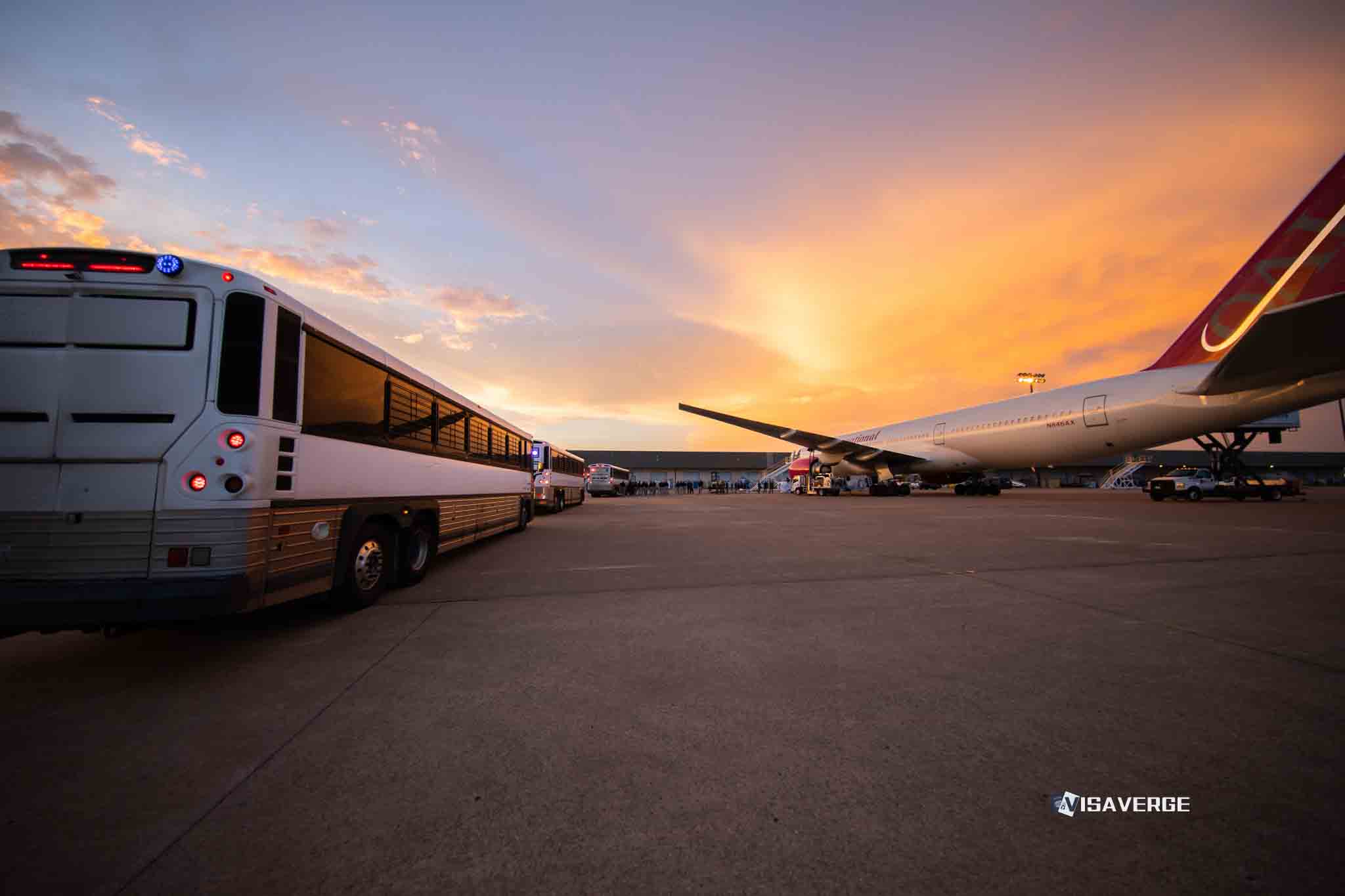
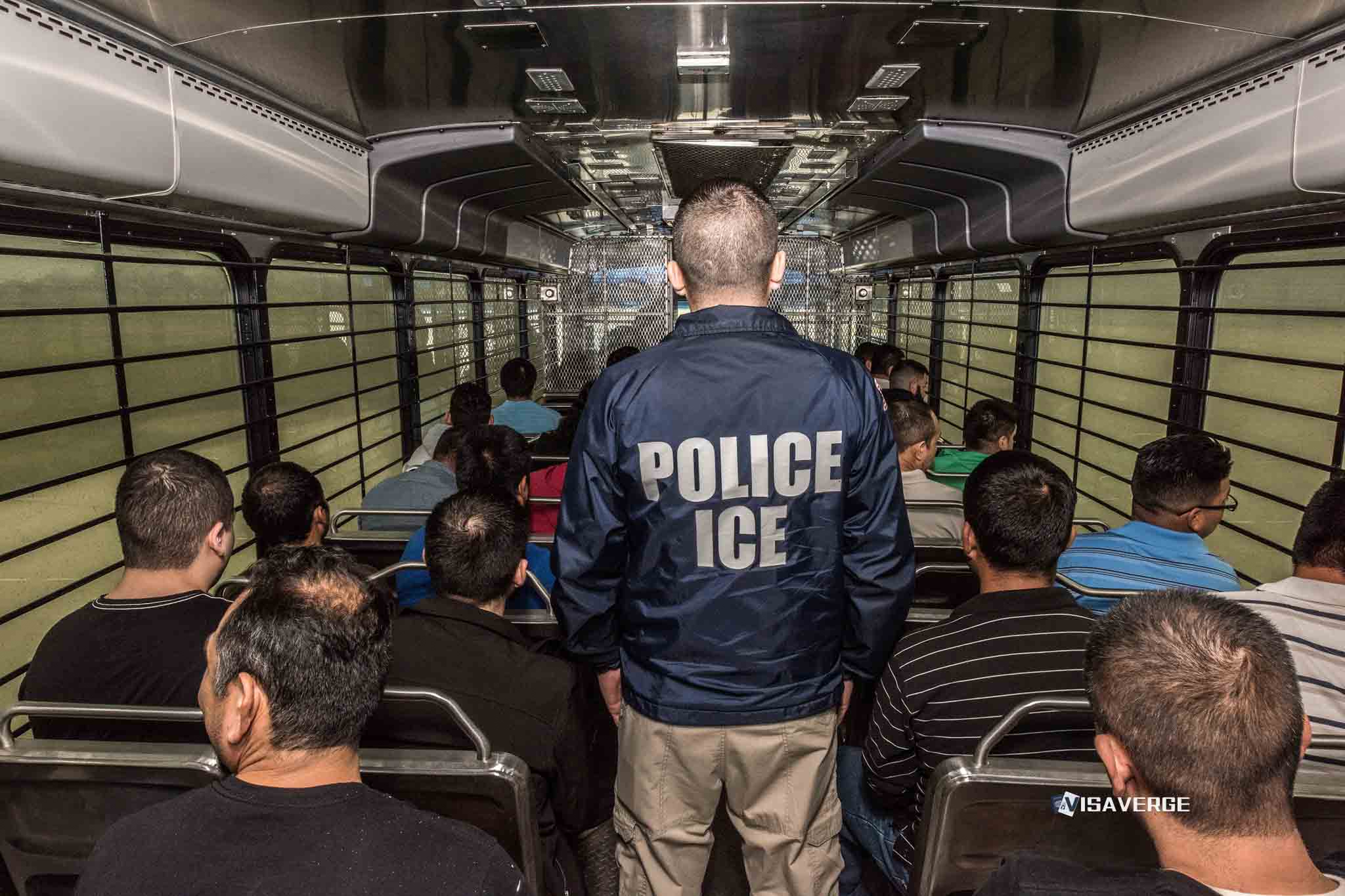
(SAVANNAH, GEORGIA) Federal agents detained about 475 workers during a sweeping Hyundai raid at a large electric vehicle battery plant construction site near Savannah, Georgia, on September 4, 2025. Homeland Security officials described it as the largest single-site immigration enforcement in U.S. history, carried out by ICE and Homeland Security Investigations after a months-long probe into unauthorized employment.
Most of those held are South Korean nationals; some reportedly had legal status, while others are accused of overstaying visas or working without authorization. The operation has sparked a diplomatic clash and rattled global investors watching the United States ?? closely.

Project background and immediate corporate response
The plant, a joint project involving Hyundai and LG Energy Solution in Ellabell, is a showcase for South Korean investment in the U.S. economy. Company representatives said they are cooperating with authorities and reviewing hiring and subcontracting practices.
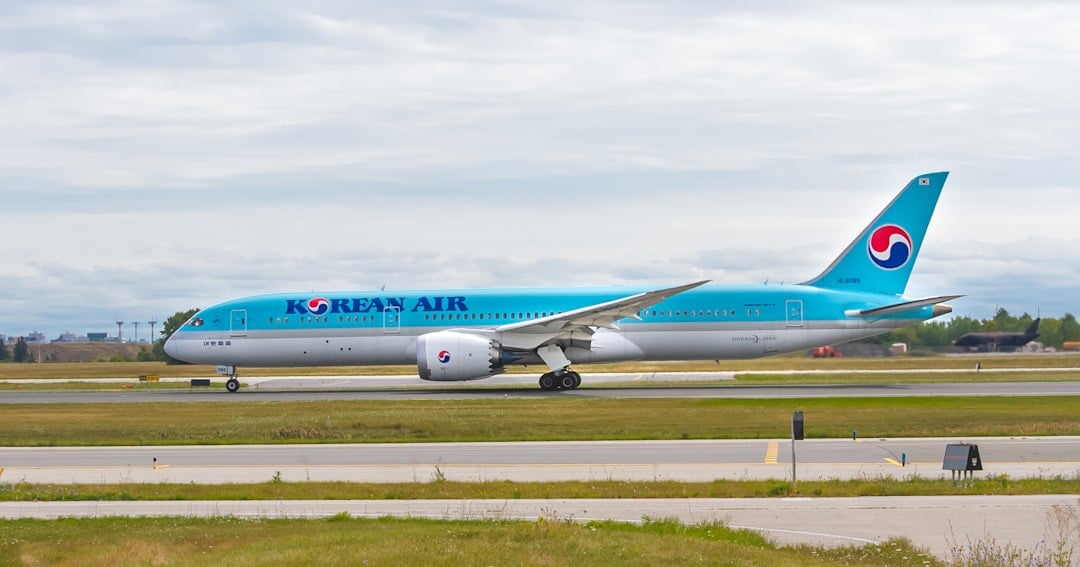
South Korea’s government quickly deployed consular teams to Georgia and set up an emergency response unit, promising legal and humanitarian help. Foreign Minister Cho Hyun voiced “deep concern,” and said President Lee Jae-myung ordered “all-out efforts” to protect citizens’ rights and the interests of Korean investors.
U.S. policy context and official rationale
U.S. officials tied the action to President Trump’s broader worksite push, known as “Operation Take Back America,” framing it as part of a renewed crackdown on unauthorized employment and visa overstays. The administration has argued that high-profile enforcement:
- Protects U.S. jobs
- Ensures a fair playing field for businesses that follow the law
Steven N. Schrank of Homeland Security Investigations said those arrested were either in the country unlawfully or working in violation of their status, and he emphasized efforts to safeguard the labor market.
Political reaction and debate
The raid drew split reactions that reflect deep policy divides over worksite enforcement:
- Some Democratic lawmakers and immigrant advocates condemned the scale of the raid, reporting wrongful detentions of U.S. citizens and lawful permanent residents.
- Rep. Nikema Williams (D-GA) called the action cruel and destabilizing.
- Republican voices welcomed the enforcement.
- Rep. Buddy Carter (R-GA) praised the action, saying it protects American workers and sets expectations for corporate compliance.
This split highlights tension between enforcement, worker protections, and the desire to maintain a favorable environment for foreign investment.
Diplomatic and corporate fallout
Seoul’s consular teams gained access to detention facilities and began case-by-case reviews. Officials in South Korea warned the raid could chill investment and complicate joint manufacturing ventures.
- LG Energy Solution temporarily halted employee business travel to the U.S. after 47 of its staff were detained and advised some employees already in the country to return home.
- Korean companies are reassessing risk exposure across:
- Subcontracting chains
- Staff deployment plans
Executives are pressing for clearer compliance guardrails and reassurances from partners and regulators.
Business groups warn blunt tactics could backfire, potentially causing investors to delay projects or demand stronger guarantees. Immigration experts say the scale and visibility signal a shift toward high-impact enforcement aimed to deter unauthorized employment at major sites. Labor advocates argue enforcement should target employer accountability and protect workers from retaliation.
Human impact and community response
For families caught up in the sweep, the effects are immediate and personal:
- Spouses and children scrambled to reach loved ones as buses left the site.
- Community volunteers provided food and translation help at makeshift assistance centers.
- Consular staff fielded calls from worried relatives in Seoul.
- Lawyers urged quick status checks and cautioned against rushed paperwork.
According to analysis by VisaVerge.com, the coming weeks will be decisive: records will be reviewed, some people may be released if they have valid status, and others could face formal removal proceedings.
Legal processing and next steps
As of September 6, 2025, ICE is processing detainees, with some held for deportation while others undergo detailed legal review. South Korean nationals are receiving consular access. Proceedings may include:
- Bond requests
- Review of admitted facts
- Hearings before immigration judges
Advocates stress that anyone with a pending application, valid work authorization, or protection under law should bring proof to counsel as soon as possible. Families seeking case updates can visit the official ICE site for information on detainee location, legal resources, and rights in custody.
Practical guidance (immediate)
- Keep copies of passports, I-94 travel records, prior visas, and any work authorization cards.
- Contact counsel promptly and present any pending applications or documents proving lawful status.
- Employers should review I-9 compliance and vendor contracts; some have paused on-site staffing changes pending audits.
Trade groups are pressing for federal guidance on subcontractor liability, especially for multi-layered construction sites where staffing often runs through third parties.
Diplomacy, policy coordination, and local effects
Officials in Washington and Seoul are preparing talks. South Korea’s foreign minister has signaled possible travel to Washington for consultations, seeking assurances on due process and fair treatment. The White House and the Department of Homeland Security are expected to defend the strategy while citing statutory obligations on work authorization.
Locally in Savannah:
- Construction schedules face uncertainty as contractors assess labor availability.
- Community groups are organizing legal clinics and translation services.
- State and local leaders are demanding clarity from federal officials and company executives on timelines and responsibilities.
- Business recruiters worry the raid sends a cautionary message to other foreign investors, even as they reiterate that companies must follow the law.
Historical perspective and potential outcomes
While worksite enforcement predates this administration, historians note the raid’s scope and diplomatic fallout are unusual. Earlier large raids targeted sectors like meatpacking and manufacturing; this operation’s size, timing, and focus on a flagship clean-energy project add new dimensions.
Advocates for alternative approaches call for:
- Corporate penalties and worker protections before mass detentions
Supporters of the raid say visible actions are necessary to deter unlawful hiring and restore trust in the system.
Short-term checklist and likely milestones
- ICE case reviews that could lead to release, bond, or continued detention
- Consular assistance and legal triage for South Korean nationals
- Internal audits by Hyundai, LG Energy Solution, and key contractors
- Diplomatic talks aimed at reducing fallout and establishing clearer processes for sensitive sites
The Savannah site remains a symbol of both promise and risk: it showcases the scale of South Korean investment and the U.S. push for domestic clean-energy supply chains, while revealing the enforcement approach taken under federal policy. Whether this moment chills investment or prompts a reset toward clearer compliance will depend on outcomes in courtrooms, boardrooms, and diplomatic meetings in the weeks ahead.
Key takeaway: The incident highlights tensions among enforcement priorities, corporate compliance, worker protections, and international investment — and the next few weeks will shape both individual cases and broader policy responses.
This Article in a Nutshell
On September 4, 2025, federal agents detained about 475 workers at the Hyundai–LG Energy Solution electric vehicle battery construction site near Savannah, Georgia, in what authorities call the largest single-site immigration enforcement in U.S. history. Most detainees were South Korean nationals; some reportedly held lawful status while others are accused of overstaying visas or working without authorization. The operation, conducted by ICE and Homeland Security Investigations, followed a months-long probe and is tied to the administration’s worksite enforcement push under “Operation Take Back America.” The raid prompted consular interventions from Seoul, political division in Washington, corporate audits by Hyundai and LG, halted travel for some staff, and concerns among investors. As of September 6, ICE continued legal processing; outcomes may include release, bond, or removal proceedings. The incident highlights tensions between enforcement goals, corporate compliance, worker protections, and foreign investment, with diplomatic and economic consequences expected in the coming weeks.