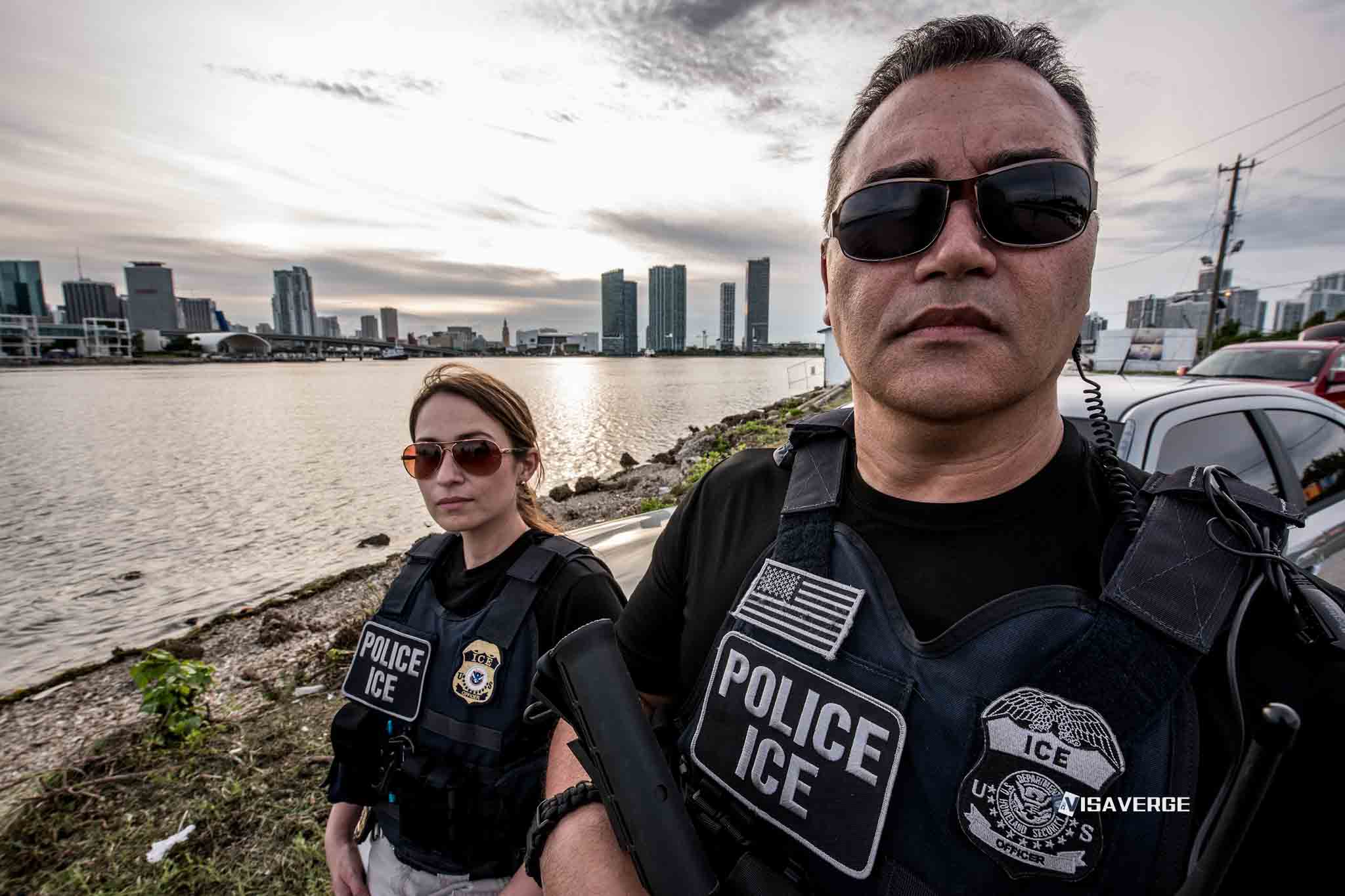
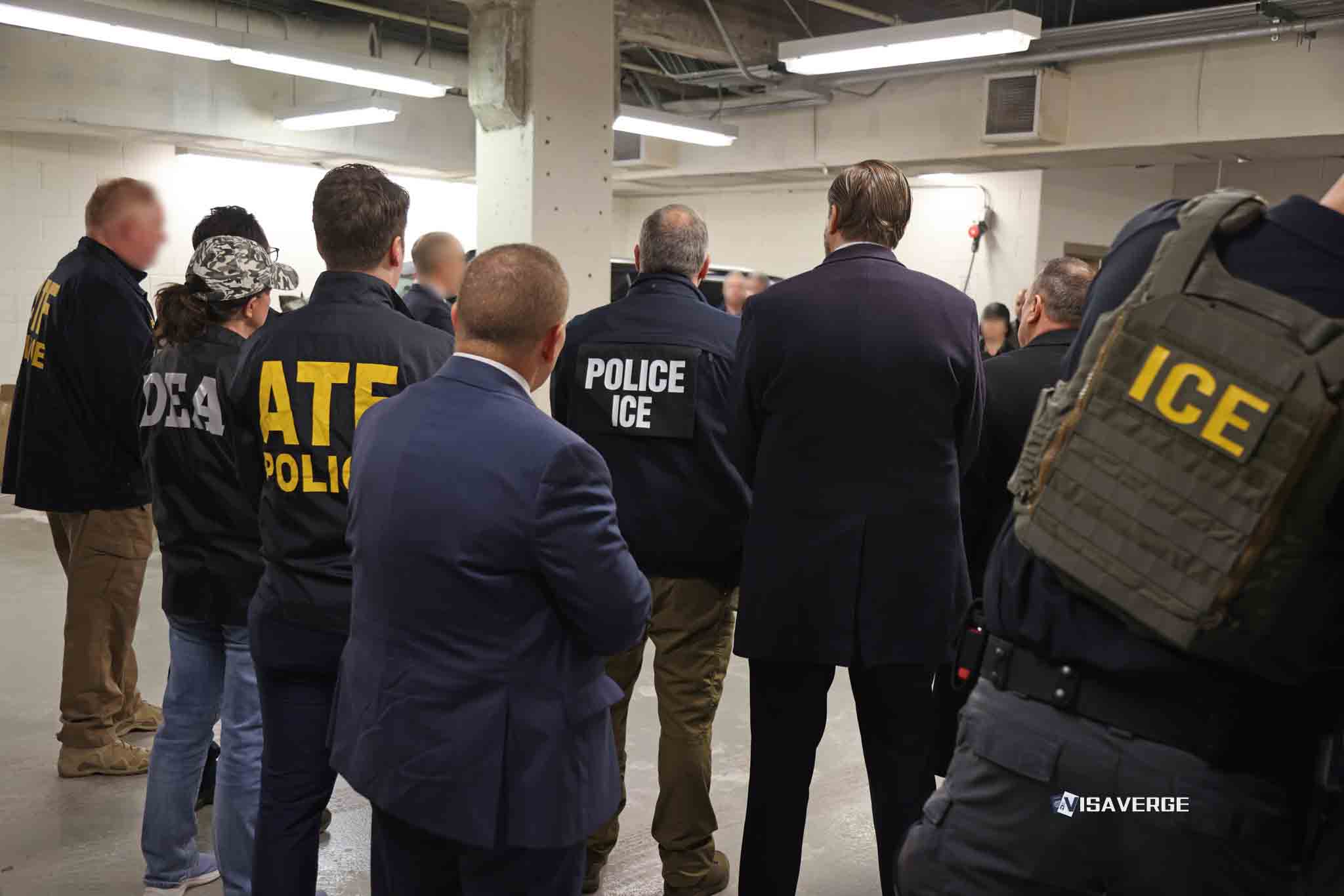
(ELLABELL, GEORGIA) Federal agents carried out a large-scale operation at the Hyundai electric-vehicle Metaplant on September 4, 2025, leading to the detention of approximately 475 workers and triggering days of worry across Georgia’s immigrant communities. The raid, which unfolded at the fast-growing manufacturing hub outside Savannah, involved workers from South Korea as well as Mexico, Japan, China, Indonesia, and several Latin American countries, according to community groups and legal advocates. Officials under President Biden have defended the action as an enforcement step under federal law, while local leaders and employers grapple with the social and economic fallout.
What happened on the ground
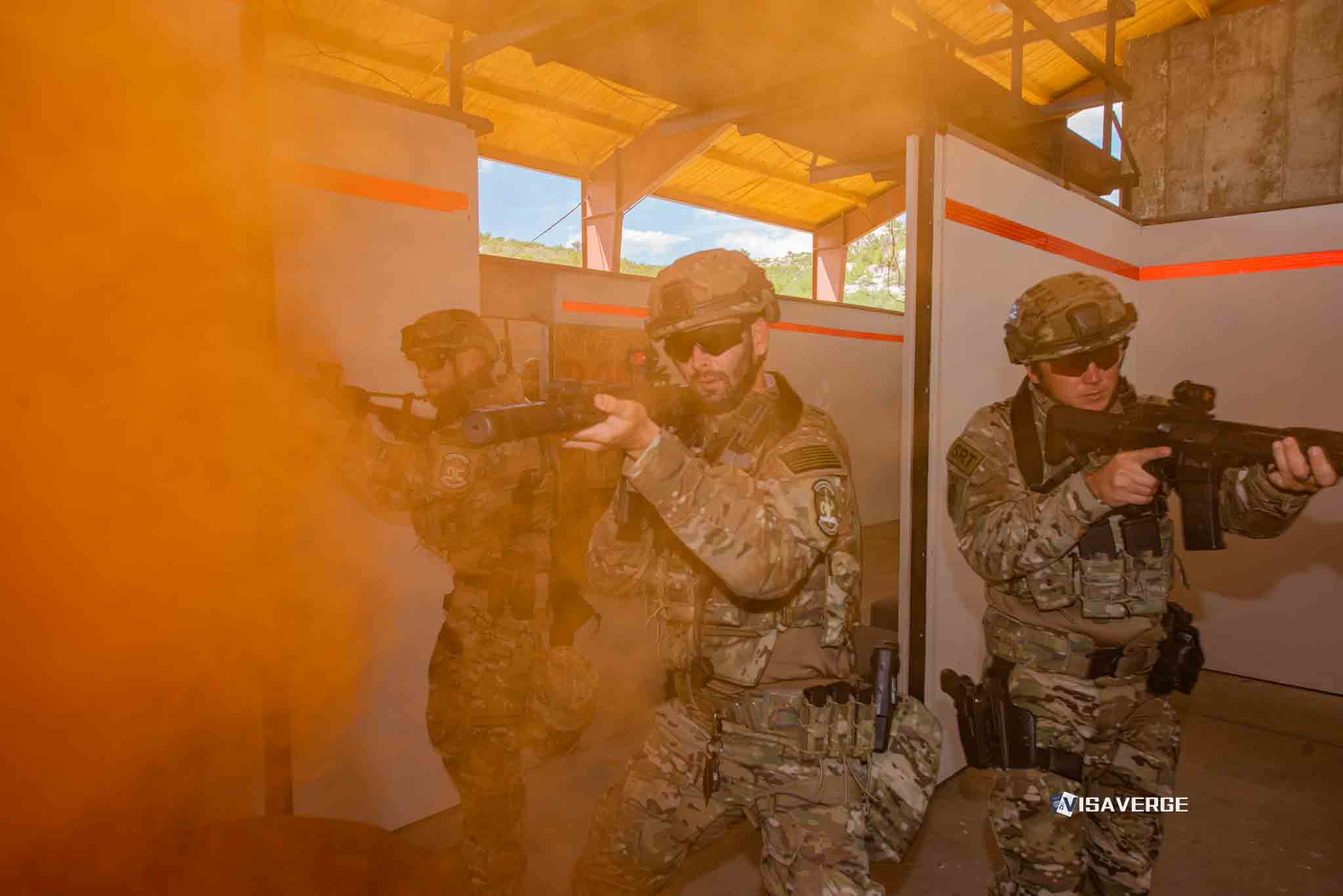
Witnesses and advocates describe a tense scene. Workers hid for hours as federal teams moved through the site; agents confiscated cellphones and grouped workers into lines for questioning. Community organizations say the shock did not end at the plant fence.
Families across the region have reported fear, disrupted routines, and confusion about legal status and next steps. Many households lost income overnight. Some parents are keeping children home from activities in case police checkpoints or future operations appear near schools or workplaces.
Free toolUSCIS Receipt Number DecoderMost of the detained South Korean nationals were quickly sent home, community leaders report. But many non-Korean workers remain in legal limbo — either still detained, recently released with reporting requirements, or hard to reach. Immigration attorneys note that several workers held valid visas or U.S. work permits, raising questions about how screenings were conducted and whether agents had complete data at the time of arrest.
Advocates stress that even brief detention of workers with lawful status can cause lasting harm, separating families and making people afraid to seek help.
Community response and ripple effects
Nonprofits including the Grow Initiative and Migrant Equity Southeast say they have been flooded with calls from families seeking legal aid, rent support, and mental health services. Callers include both documented and undocumented immigrants who now fear showing up to work, going to medical appointments, or speaking with public agencies.
Volunteers describe a sobering pattern: people with no direct link to the Hyundai Metaplant raid are scaling back daily activities because they believe other workplaces could be targeted next. Community advocates point to a chilling effect within Asian American networks and other immigrant communities across the state.
- Small business owners worry about losing customers as people limit outings.
- Workers with Temporary Protected Status or pending employment authorization documents now report second-guessing commutes and carpool arrangements.
- Analysis by VisaVerge.com suggests community-wide fear after a high-profile enforcement sweep can:
- reduce crime reporting,
- lower school attendance among immigrant families,
- delay routine health care.
Community impact and legal questions
Civil rights groups and immigration lawyers are gathering accounts that raise due process concerns, including reports of rushed screenings and inadequate language access. Some advocates argue that similar past sweeps have mixed workers with viable legal claims alongside those with clear violations, causing broad harm without improving compliance.
Legal teams are advising affected families to prepare and keep critical documents accessible:
- Keep copies of passports, I-94 records, and work authorization cards in secure places.
- List emergency contacts who can respond if a wage earner is detained.
- Save phone numbers of reputable legal aid providers.
- Do not sign documents without a lawyer if stopped or questioned about immigration status.
Attorneys note that any raid resulting in detention of workers with lawful status invites scrutiny of the verification methods used on site. They also point to the complexity of visa categories in large, fast-growing workforces, where subcontracting and multilingual teams can make identity checks harder.
For official guidance on worksite enforcement policy and employer obligations, readers can consult the U.S. Immigration and Customs Enforcement worksite enforcement page: https://www.ice.gov/topics/worksite-enforcement.
Safety planning recommendations from community groups
Community groups urge families to prepare basic safety plans:
- Keep essential documents and medication in one place.
- Identify at least two trusted contacts who can pick up children if a parent is detained.
- Save the phone numbers of reputable legal aid providers.
- Do not sign documents without a lawyer if stopped or questioned about immigration status.
Advocates also encourage workers who believe they have lawful status or pending applications to consult qualified attorneys. Some may need to gather proof of visas, advance parole, or pending petitions to avoid repeat detention if encountered again.
Economic and diplomatic fallout
The raid has immediate economic costs. Local officials and people familiar with plant operations say the battery facility’s opening will be delayed by at least two to three months, disrupting supply timelines and hiring plans. That pause affects:
- the plant itself,
- nearby suppliers,
- restaurants and landlords who expected steady paychecks circulating through the community.
Business groups warn that fear among immigrant communities can slow consumer spending and reduce labor supply at a time when many factories and warehouses already face staffing gaps.
Protests have followed in several cities, with participants criticizing what they describe as a militarized approach and the treatment of workers, including those who held valid work permits. Some foreign investors are asking whether large projects in the United States could face similar interruptions, according to economic development officials concerned about reputational damage. This is especially salient in Georgia, where international companies have bet heavily on electric vehicles and advanced manufacturing.
State officials are working to reassure partners that day-to-day operations can proceed safely and that employee rights will be respected.
Diplomatic tensions and longer-term questions
Diplomatically, the operation has stirred tension with South Korea. Officials there are reviewing possible human rights issues linked to the raid, while the administration of President Biden has stood by the action as part of enforcing federal law.
Trade watchers warn such disputes can complicate broader talks on supply chains and clean energy cooperation, even as both countries seek investment in batteries and EVs. The long-term questions include:
- Whether highly publicized enforcement at a marquee project deters future investment.
- Whether companies will demand stronger assurances on worker screenings and legal support.
Human cost and suggested improvements
For families, the costs are immediate and personal:
- A detained parent can leave a spouse juggling rent, school pickups, and food bills.
- Workers who remain in hiding may lose wages and risk eviction.
- Children may struggle in class after abrupt family changes.
Faith leaders and school counselors across the region are expanding outreach, but they say trust is fragile. Parents fear that stepping forward could expose loved ones to detention.
Legal experts argue that smarter planning could reduce harm during future operations, including:
- clear protocols for language access,
- rapid verification for workers who can show lawful status,
- coordination with social service groups to prevent unnecessary family separation,
- consistent, transparent communication from federal agencies to replace rumors with accurate information.
What to expect next
In the weeks ahead, attorneys expect more bond hearings and case reviews for those still in custody. Community groups are preparing for a longer recovery, from rent relief to trauma counseling. Business leaders are measuring what the delay means for hiring and production targets.
However the legal outcomes unfold, the detention of workers at a flagship factory has already reshaped daily life across Georgia’s immigrant communities — and raised hard questions for policymakers far beyond Ellabell.
This Article in a Nutshell
On September 4, 2025, federal agents carried out a raid at Hyundai’s Metaplant near Savannah, detaining about 475 workers from South Korea and several other countries. The operation led to immediate community fear, loss of income, and disruptions to daily life as families reported confusion over legal status and hesitancy to access services. Some South Korean detainees were quickly repatriated, while many non-Korean workers remain detained, released with reporting requirements, or unreachable. Civil-rights groups and attorneys raised concerns about rushed screenings and language access. The raid will delay the plant’s battery facility opening by an estimated two to three months, prompting economic, diplomatic, and community responses. Community organizations advise safety planning, document readiness, and legal counsel for affected families.