- U.S. immigration agents detained hundreds of workers during a massive raid at a Georgia Hyundai plant.
- The operations have sparked intense anxiety across Korean American communities from Los Angeles to Savannah.
- Heightened enforcement and prolonged court backlogs are disrupting local businesses and lawful residency processes.
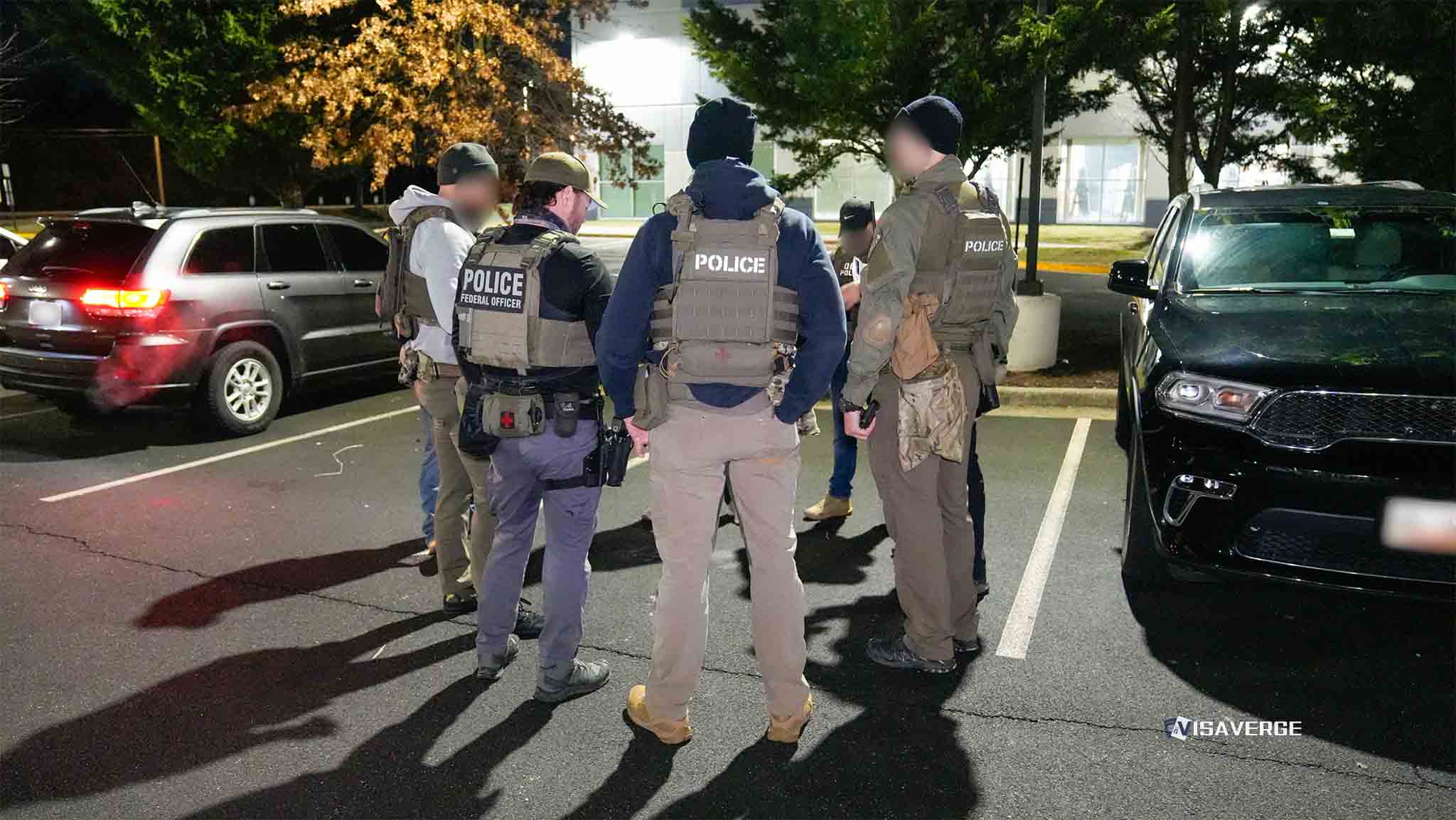
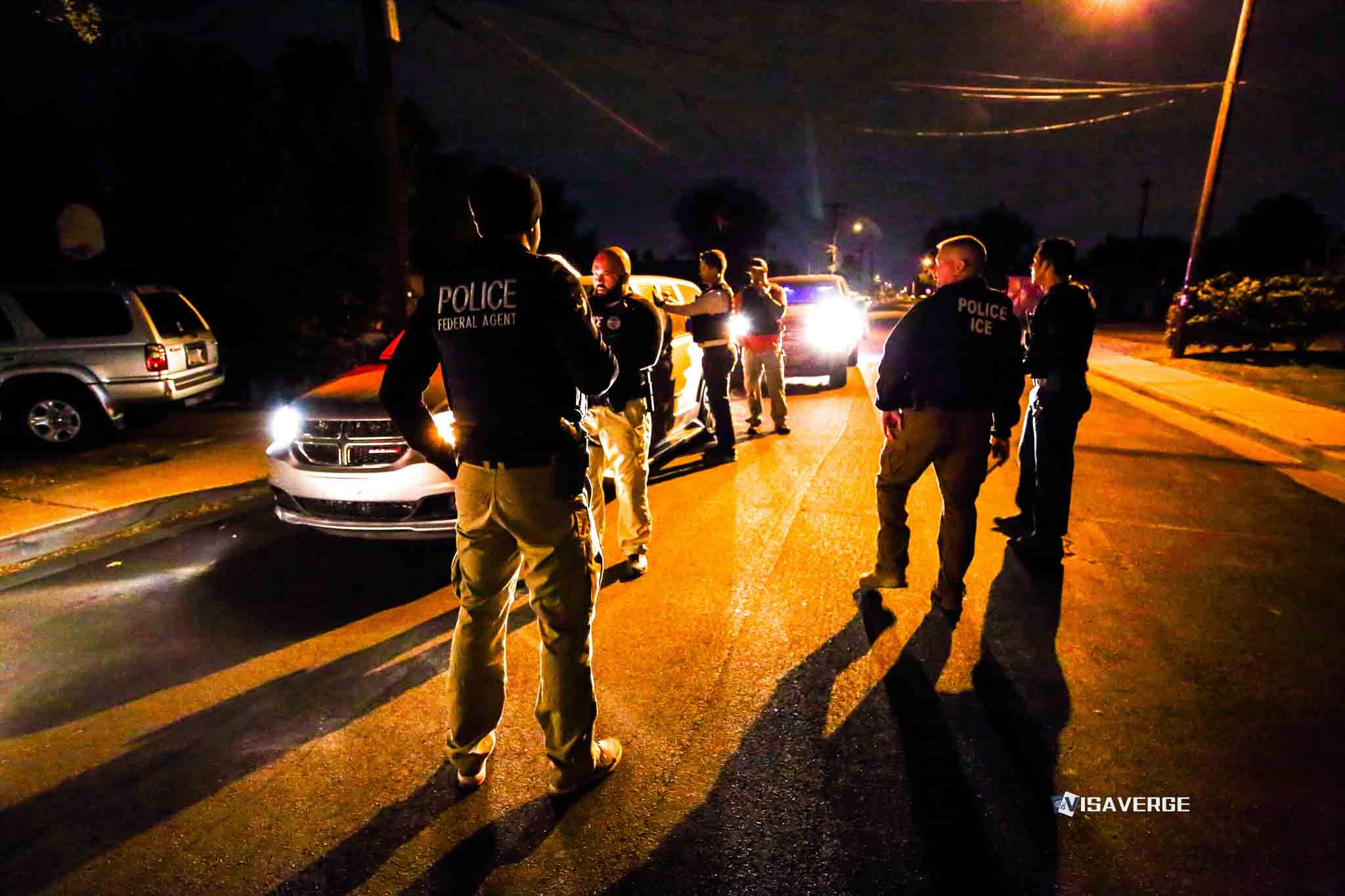
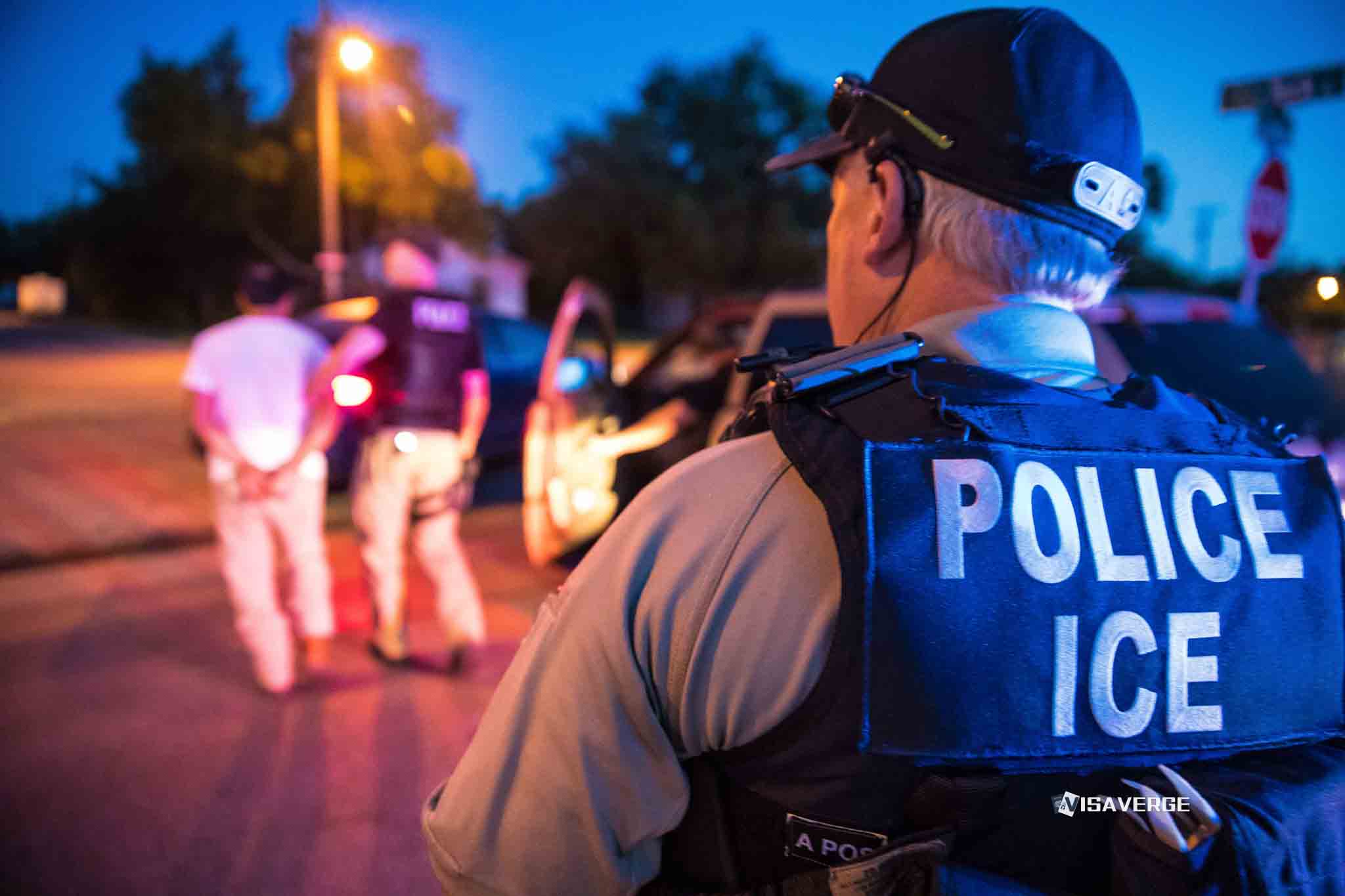
GEORGIA — U.S. immigration agents detained hundreds of workers in a September 2025 raid at a Hyundai plant in coastal Georgia, and the operation has since become a rallying point for anxious Korean American families and employers who say ICE activity intensifies and feels more visible than before.
Fear ripples across Korean communities from Los Angeles to Savannah as people trade warnings about raids, rethink daily routines and watch immigration cases drag on, even for some green card holders and spouses of U.S. citizens.
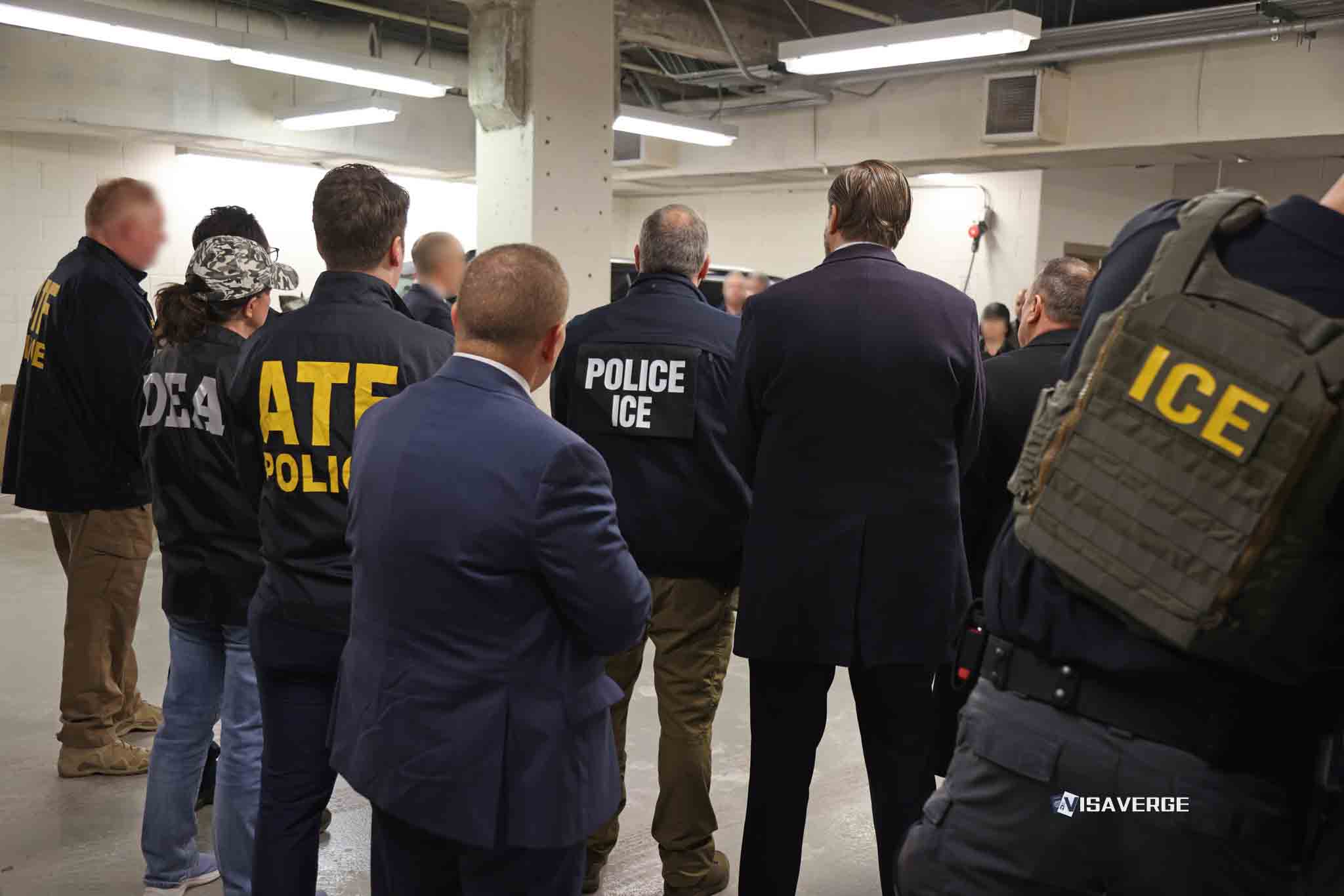
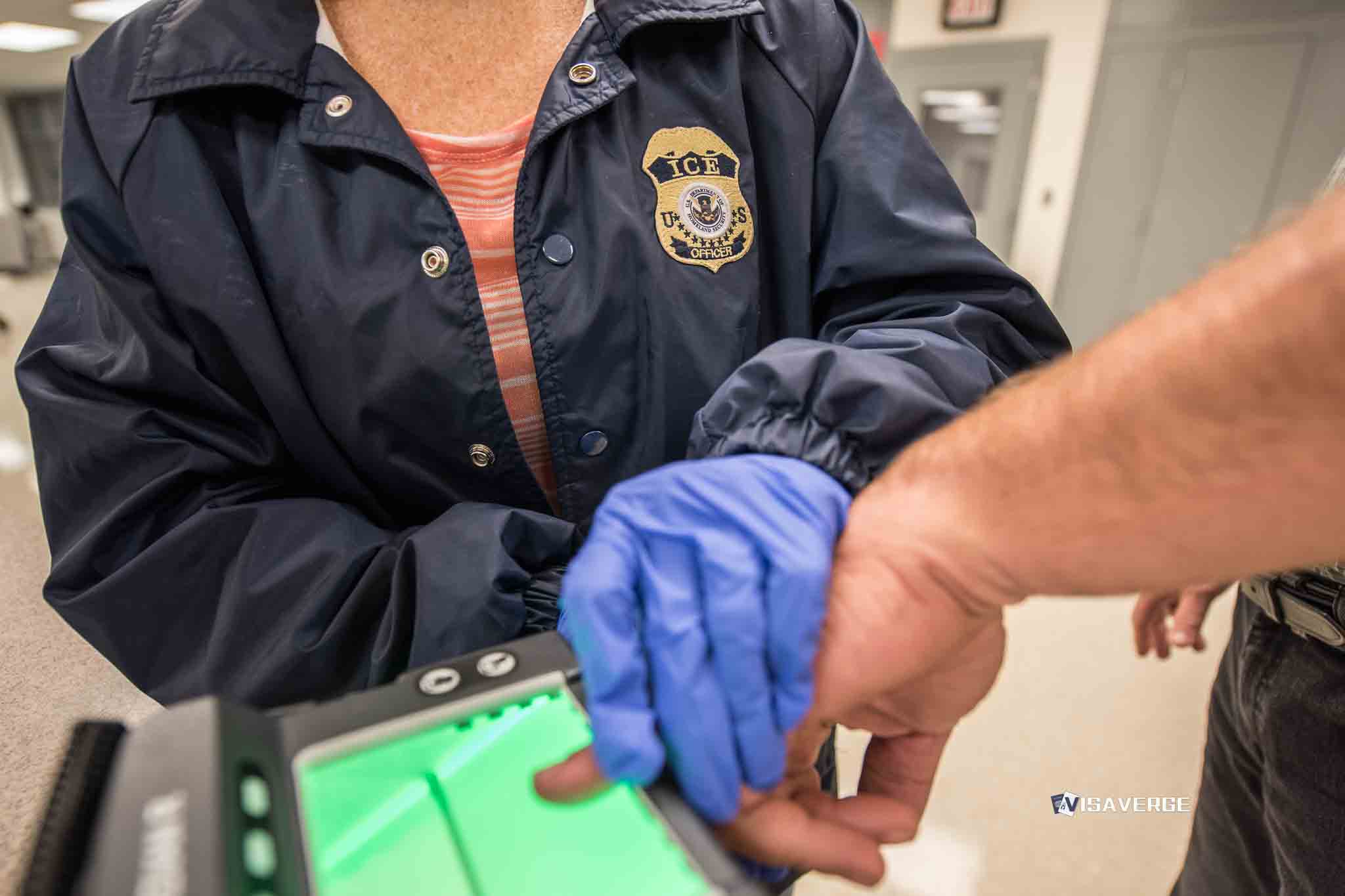
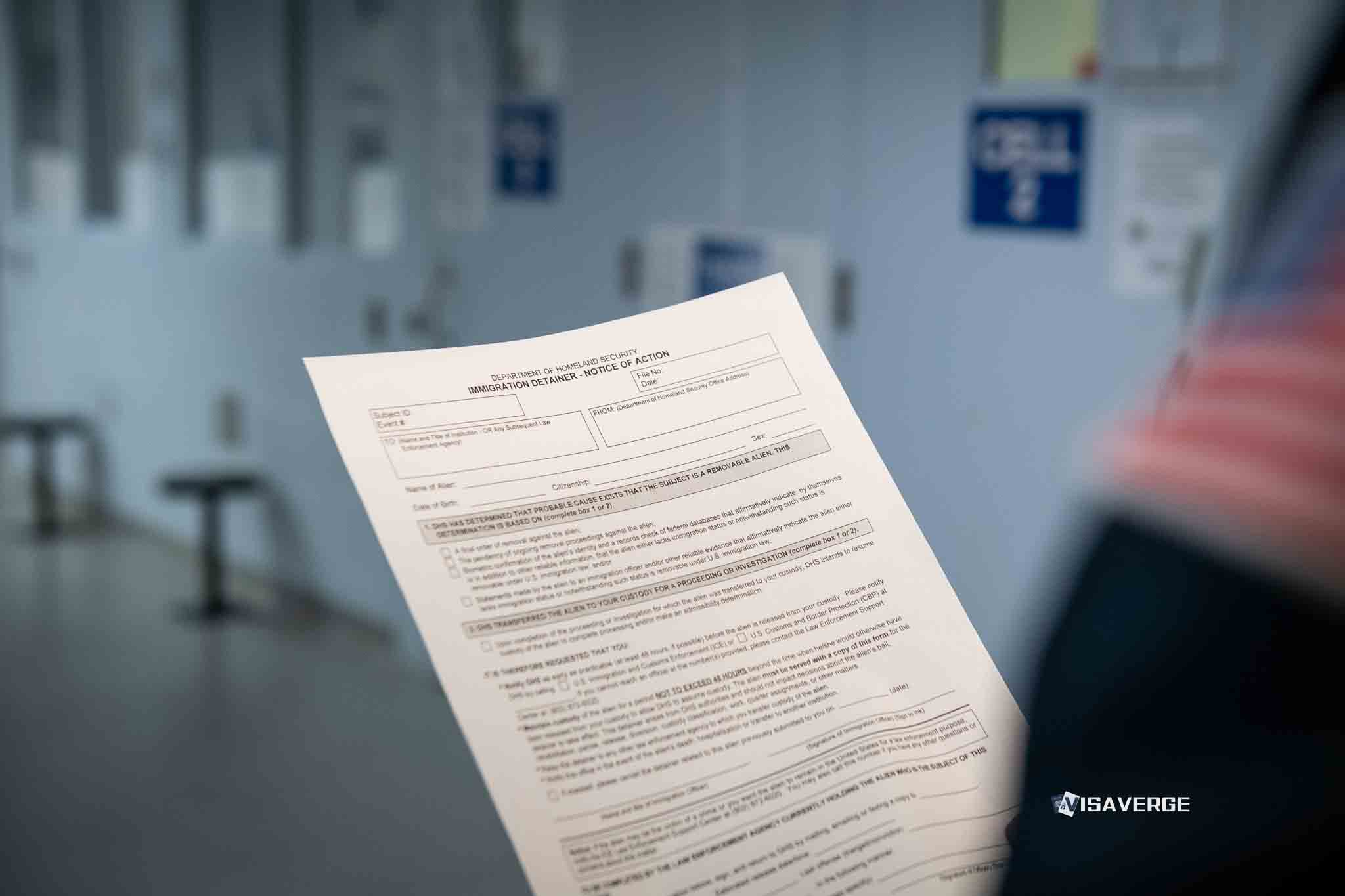
Recent arrests at immigration offices and high-profile detentions have widened the unease beyond undocumented immigrants, with some lawful residents and visa holders reporting abrupt detention, difficulty reaching lawyers and job disruptions tied to prolonged proceedings.
The spike in anxiety has played out against an immigration system strained by heavy caseloads, a backdrop that community leaders say keeps families and businesses in limbo long after an initial arrest or interview.
In Los Angeles, a 38-year-old Korean American who arrived in the United States at 3 months old was arrested after attending a family-based residency interview with his U.S. citizen wife. Authorities detained him at the Adelanto ICE Detention Center.
He has no criminal record, and his hearing is scheduled for late March 2026. Similar cases have involved citizen family-based applicants with clean records.
Another case drew national media attention after Tae Heung “Will” Kim, a 40-year-old scientist and U.S. permanent resident who came to the United States at age 5, spent months in ICE detention. He reported no access to legal counsel or due process during that period.
Officials released Kim on November 15, 2025, after the Department of Homeland Security failed to submit justifying documentation. His detention circulated widely in Korean American networks as a warning that long ties to the United States might not prevent a sudden arrest.
John Shin, a 37-year-old Korean-American violinist who emigrated at age 10, also became a reference point for families tracking the system’s pace. Authorities detained him 17 days after marrying a U.S. citizen in 2021.
A court later terminated Shin’s deportation proceedings, and ICE dropped its appeal. Even so, his permanent residency process faces an additional 16 months, a timeline that lawyers and community advocates cite as another source of stress for families and employers.
The case that reverberated most sharply in Georgia unfolded on September 4, 2025, when ICE carried out “Operation Low Voltage” at a Hyundai plant in Ellabell. Agents detained hundreds of workers, including South Korean nationals on B-1 business visas tied to factory installation work.
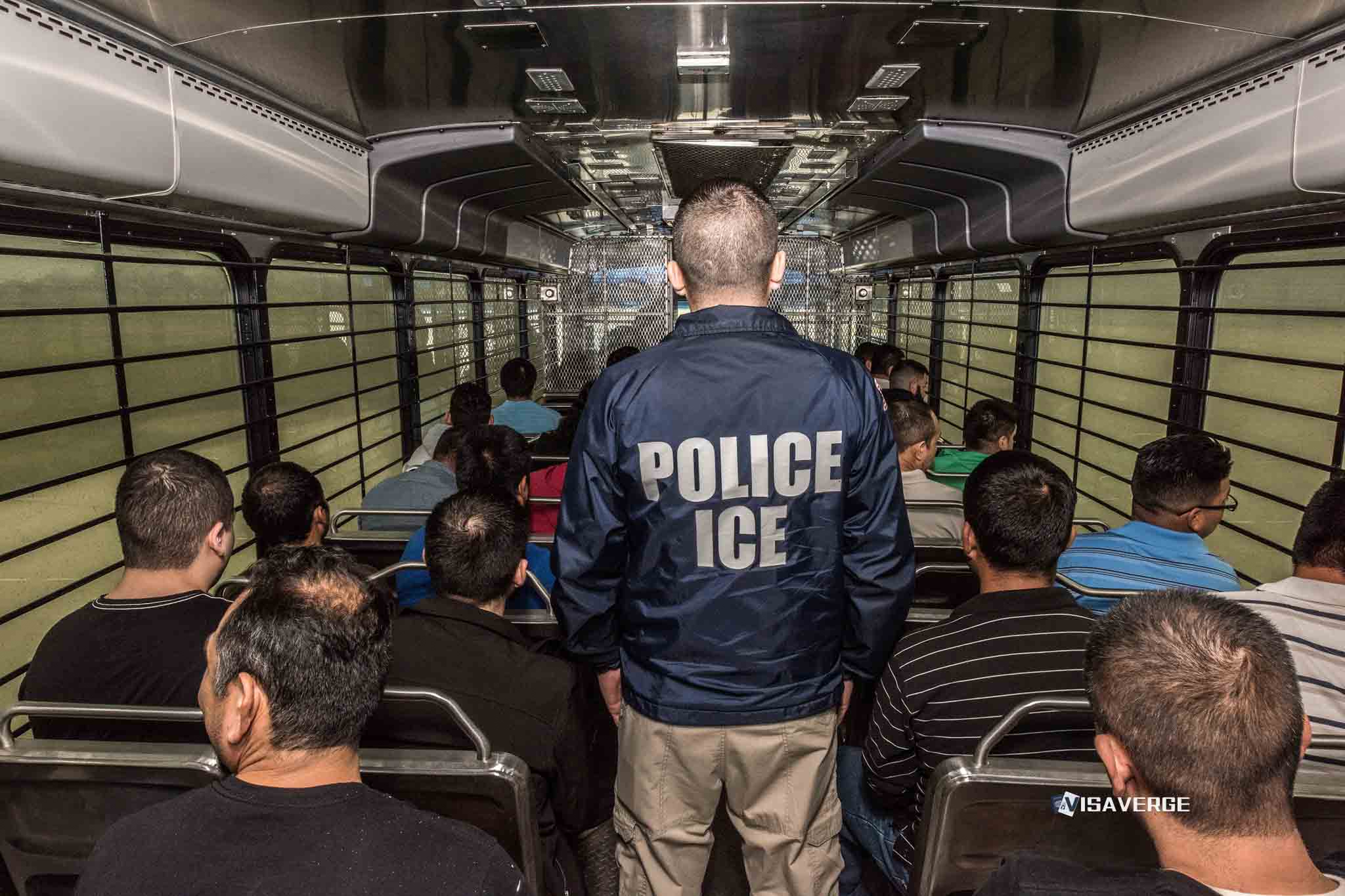
Workers later described chains on hands and feet, chaotic conditions and repatriation on chartered flights after about a week. Some described humiliation, and accounts included workers hiding in air ducts or fleeing across sewage ponds.
The operation’s aftermath has lingered in conversations at restaurants, churches and workplaces, particularly in Korean-owned business corridors near the Georgia coast. Several community members said the raid changed the tone of daily life, even for people who believed their paperwork was in order.
James Lim, president of the Korean American Association of Southeast Georgia, said some workers later returned but remained shaken by what they experienced. Workers “had to draw lots to decide who would go back,” Lim said.
“had to draw lots to decide who would go back,”
— James Lim
In Los Angeles Koreatown, business owners said enforcement actions and talk of raids have thinned foot traffic and made it harder to staff everyday jobs. ICE raids have hit car washes, retail shops, swap meets and restaurants, according to community accounts.
Owners reported employees too afraid to work and customers avoiding certain areas. Some families said the fear now extends into community institutions, including churches, where routine gatherings can suddenly feel risky.
In Georgia, Sammy Ren, a Korean grocery owner, described a swift drop in daily Korean customers after the Hyundai raid. Ren said his daily Korean customers fell from 60-70 to near zero, and he predicted closure within 2-3 months.
The chill has not stayed confined to people without legal status, community members said. Some lawful workers have hesitated to leave home, and uncertainty has shaped workplace choices in industries that rely on immigrant labor.
In Savannah, Hispanic residents have altered clothing to avoid attention, community members said, and organizers canceled Savannah’s Hispanic Heritage Parade over raid fears. In Los Angeles, a Koreatown festival came close to cancellation, and attorneys briefed attendees on entry procedures.
Immigration court backlogs have compounded the uncertainty, stretching timelines for people who hope to resolve status issues and return to normal work and travel patterns. The scale of pending cases nationally and in Southern California has fueled concern that delays can last long enough to reshape family and business plans.
That uncertainty has also driven a fast-moving information cycle online, where community chat groups and social feeds circulate warnings about sightings and checkpoints. Some posts can change behavior within hours, from skipping work to avoiding shopping centers.
As of February 3, 2026, Korean American networks reported high anxiety over ICE sightings and raids. The posts have included both confirmed incidents and unverified reports, a mix that community members said makes it hard to know what to trust in real time.
People who shared messages in Korean American circles described forwarded alerts that spread quickly across family group chats and church networks. The messages, often stripped of context as they travel, have pushed some to cancel appointments or stay home.
The amplification effect has been strongest after major enforcement actions, particularly in places with large immigrant workforces. Community leaders said the same dynamics that help people warn one another can also intensify panic when rumors outpace verified information.
South Korean officials have responded sharply to the Ellabell raid, casting it as a case with consequences beyond immigration enforcement. President Lee Jae-myung called the Hyundai raid “bewildering,” and warned it could make companies “very hesitant” about U.S. investments worth $150-350 billion.
South Korea’s labor ministry also criticized how the operation unfolded. Labor Minister Kim Younghoon told the Financial Times, “The way it was done. not even prisoners of war would be treated like that.”
“The way it was done. not even prisoners of war would be treated like that.”
— Labor Minister Kim Younghoon
Some of the detained workers have discussed legal action, including claims of unlawful enforcement, racial profiling and human rights violations. About 200 detained workers are considering lawsuits against ICE.
U.S. officials framed the enforcement differently, emphasizing a broader push to prioritize immigration arrests. President Trump called detainees “illegal aliens. some not the best of people,” and placed enforcement ahead of economic concerns.
“illegal aliens. some not the best of people,”
— President Trump
Homeland Security Secretary Kristi Noem said the raid showed policy certainty. Post-raid, visa rules eased for short-term Korean technicians, a change that employers and workers have tracked closely in industries that depend on specialized installation and maintenance work.
Korean American advocacy groups have pressed for more transparency about enforcement priorities and due process protections. Some have sought briefings that can help community members understand what to expect at interviews, check-ins and worksites.
Sun Park, a forum moderator in Atlanta, linked the anxiety to a broader trust gap between immigrant communities and elected officials. “Elected officials must explain how they intend to rebuild trust. We will continue to demand those answers,” Park said.
“Elected officials must explain how they intend to rebuild trust. We will continue to demand those answers.”
— Sun Park
Local officials have also weighed in, sometimes tying immigration directly to community identity and economic growth. Lawrenceville City Council-elect Randy Travis said, “Without immigration, this country would not be what it is today.”
“Without immigration, this country would not be what it is today.”
— Randy Travis
The enforcement push has unfolded alongside Trump administration policies described as dismissing judges and cutting budgets, an environment that Korean American advocates said can deepen uncertainty when cases take longer to resolve. Even when a person ultimately prevails, families and employers can spend months or years planning around hearings, check-ins and the risk of detention.
For many Korean American families, the heightened visibility of enforcement has made routine steps feel newly fraught, including attending interviews or responding to government notices. The Los Angeles arrest after a family-based residency interview, the months-long detention of a green card holder, and the long arc of court proceedings in Shin’s case have become reference points in private conversations across workplaces and churches.
The Hyundai raid’s scale also reshaped perceptions of risk in Georgia, where the operation swept up workers connected to a marquee industrial project. ICE detained 475 workers in Ellabell, including 317 South Korean nationals on B-1 business visas for factory installation.
Workers faced repatriation on chartered flights after about a week, and accounts of chains and chaotic conditions continued to circulate months later. About 100-200 have returned on reinstated visas, but community leaders said the trauma persisted long after the paperwork changed.
In the months since, business owners and workers have described a community trying to make decisions with incomplete information, balancing job obligations against fear of detention. Families have also worried that delays in courts and agencies can keep people in a suspended state, unable to plan work, travel or childcare with confidence.
For Korean communities watching the situation unfold nationwide, the combined effect of raids, detentions and slow-moving proceedings has been a steady drumbeat that shapes daily choices, from where to shop to whether to attend public events. Park, the Atlanta forum moderator, said community members planned to keep pressing elected officials for answers, adding, “Elected officials must explain how they intend to rebuild trust. We will continue to demand those answers.”