- At least 73 detainees began a hunger strike on October 6, 2026, at the Folkston D. Ray James ICE Processing Center.
- Participants are seeking release, better conditions, family reunification, and meaningful review of their immigration cases.
- Detainees have asked a federal judge to review habeas petitions; the strike itself does not guarantee release.
At least 73 detainees began a mass hunger strike on October 6, 2026, at the Folkston D. Ray James ICE Processing Center in Folkston, Georgia. They are protesting prolonged detention and conditions inside the facility.
Forty-five men signed an open letter, while advocates estimate that at least 73 people are taking part. Detainees from Russia, China, Sudan, Afghanistan, Nepal, Iran, Latin America and other places are among them.
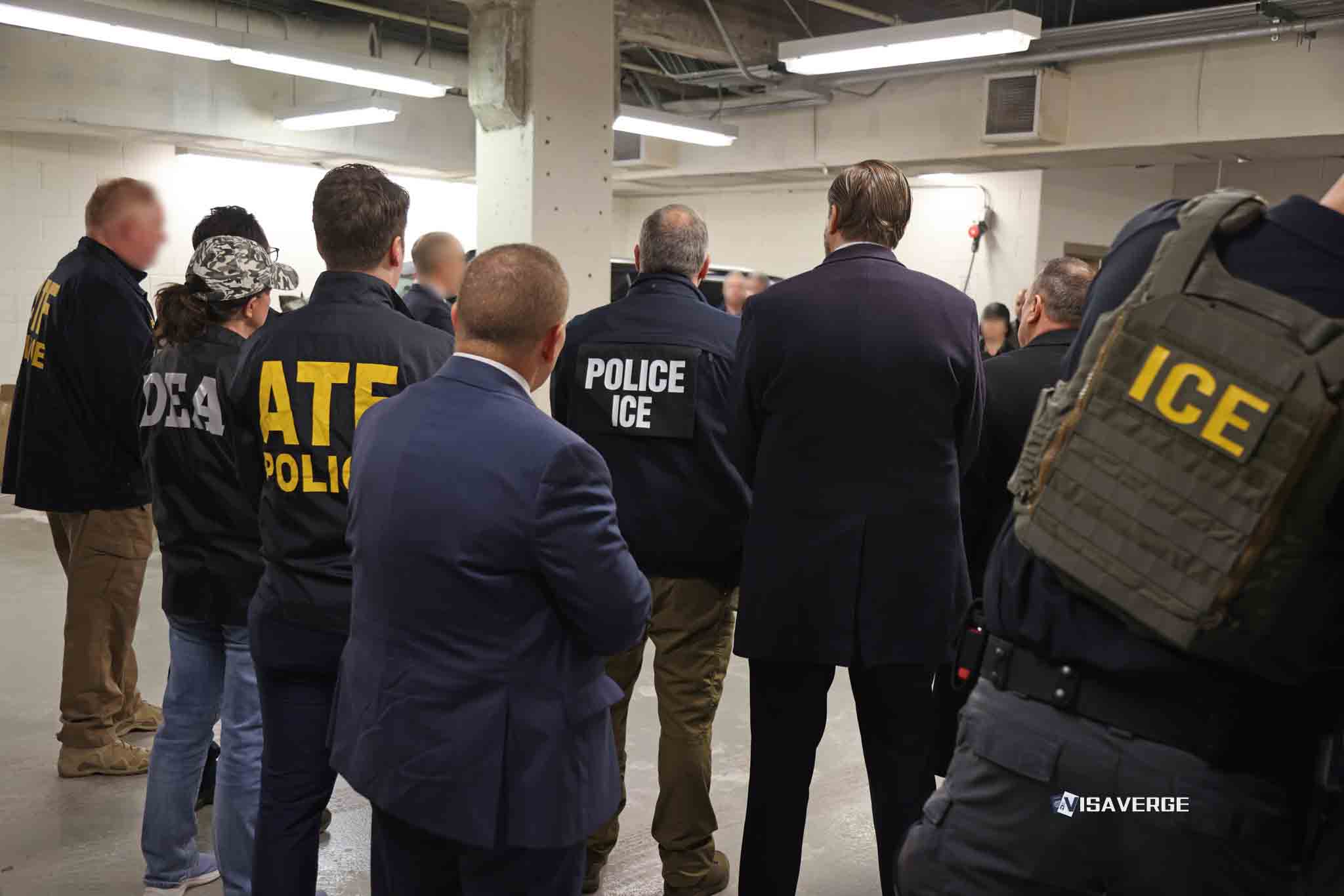
The signatories say their detention has lasted from about 16 months to nearly three years. Another account puts the range at 20 to 36 months. Some say they came to the United States seeking asylum and have not been accused of crimes.
Relatives said some detainees started refusing food on October 5. Organizers planned the protest to coincide with an expected facility inspection. The action began ahead of that planned launch for some participants.
The protest seeks release and a meaningful review of immigration cases
The detainees are calling for immediate release and safeguards against re-detention or deportation. They also want to reunite with family members. Their demands include improved conditions and meaningful consideration of their immigration cases.
They are seeking review of bond requests and habeas petitions as well. The demands address both custody and the handling of individual cases. Participants have not presented the strike as a substitute for those proceedings.
Detainees allege shortfalls in care, food, water and legal access
Written complaints describe inadequate medical and dental care, spoiled or poor-quality food, and insufficient drinking water. Detainees also allege that they lack adequate access to legal process. The complaints describe conditions inside the housing units.
They say the housing is cramped and noisy, with limited sunlight and fresh air. Some also describe difficulty communicating with family. The written accounts raise concerns about daily contact and living conditions.
The complaints further allege hostile or xenophobic conduct by correctional officers and inadequate communication from ICE personnel. These are detainees’ allegations about their treatment at the center. The facility is operated by GEO Group under contract with U.S. Immigration and Customs Enforcement.
The center includes a former state-prison facility. It was expanded under a $47 million Department of Homeland Security contract. The facility houses people held in federal immigration custody.
Separate accounts report isolation of an organizer and four Russians
Idris Makhmudov, identified as one of the strike’s organizers, was reportedly placed in solitary confinement. A separate account said four Russian detainees were isolated after staff learned about the planned protest.
That account also said staff allegedly warned participants of consequences. The two reports describe separate episodes. They do not establish that Makhmudov’s placement followed from his organizing role.
A federal judge is being asked to review detention challenges
The detainees have asked U.S. District Judge Lisa Godbey Wood of the Southern District of Georgia to review habeas corpus petitions challenging the legality of their detention. The petitions raise questions about individual custody decisions. Their outcomes would turn on each person’s circumstances.
Those circumstances include detention histories, the statutory basis for custody, prior custody reviews and the status of each person’s immigration proceedings. The hunger strike is a civil-disobedience action, not an automatic basis for release. Its participants still face separate legal processes.
Those channels may include custody redeterminations, bond requests, habeas litigation, asylum or other immigration relief, and claims concerning detention standards. The options depend on each detainee’s case. A lawyer can assess the issues in an individual proceeding.
ICE, the Department of Homeland Security and the contractor had not publicly responded to requests for comment in reporting available on October 7. The detainees’ court petitions proceed separately from the protest.
This article provides general information and is not legal advice. Consult a qualified immigration attorney about your specific case.